Cooling and CA
Electric field technologies for preserving fresh fruits and vegetables
The review analyzes the use of electric field technologies as a sustainable alternative for postharvest preservation of fruits and vegetables, highlighting their ability to reduce microbial deterioration and maintain fresh product quality
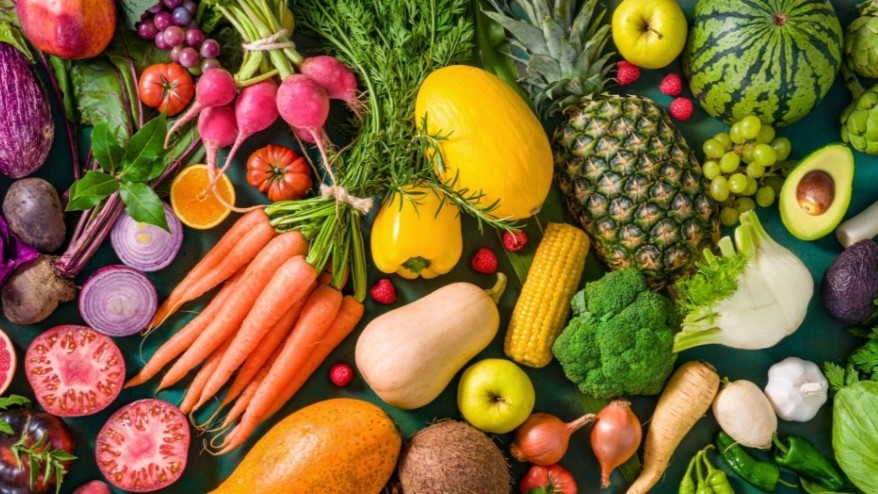
Postharvest deterioration of fresh fruits and vegetables, mainly caused by microbial growth and high respiration rates, leads to significant economic losses worldwide. Conventional preservation methods such as chemical fungicides and refrigeration present limitations associated with chemical residues, high energy consumption, and the increasing need for more sustainable solutions.
In this context, electric field (EF) technologies have emerged as promising non-thermal, efficient, and environmentally friendly alternatives for postharvest preservation. This review summarizes recent advances in four main electric field approaches: high-voltage electrostatic field, low-voltage electrostatic field, pulsed electric field, and alternating current electric field.
The analysis evaluates the preservation effects of these technologies across different types of fruits and vegetables while also explaining the mechanisms behind their performance. These mechanisms include microbial inhibition, browning reduction, maintenance of plant tissue structure, and regulation of physiological processes associated with product quality and shelf life.
The review highlights that each electric field technology is better suited to specific application scenarios due to differences in their mechanisms of action. In addition, the study points out that future research should focus on gaining a deeper molecular-level understanding, optimizing application parameters, combining EF technologies with other preservation methods, and promoting large-scale industrial implementation.
Source
Yu, B., Xu, D., He, T., Qiao, J., Cheng, J., Zeng, X.-A., & Wang, R. (2026). Advanced electric field technologies for postharvest preservation of fresh fruit and vegetables: Applications, mechanisms and future perspectives. ScienceDirect.
Related news
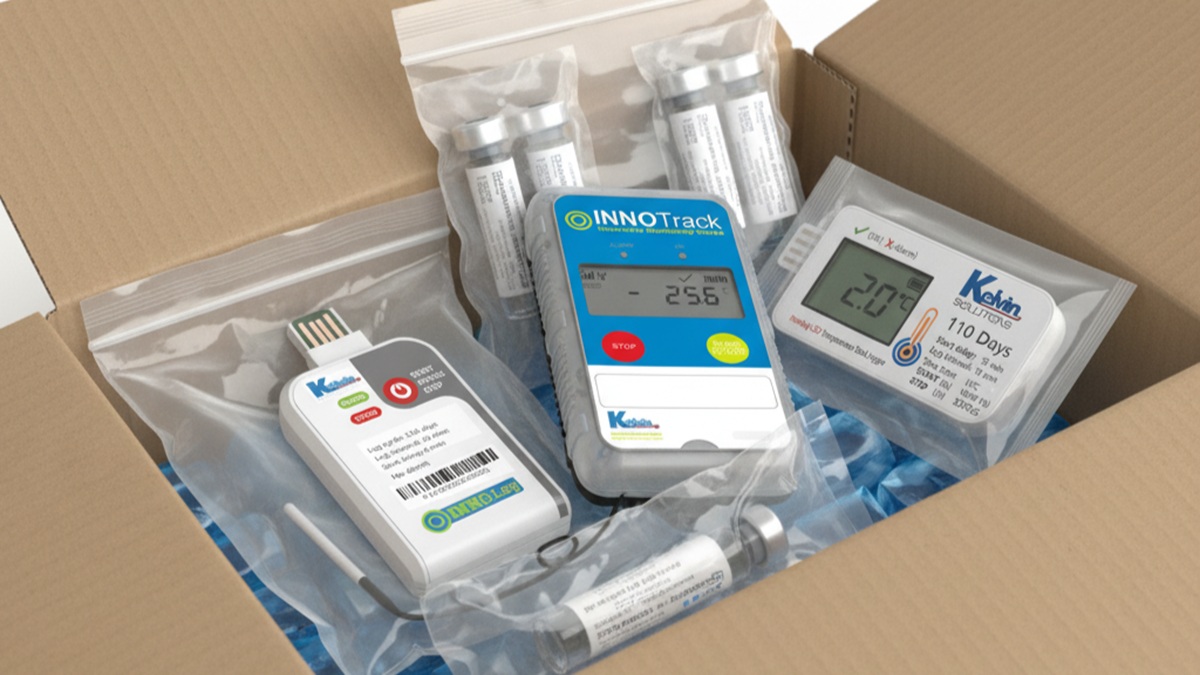
Thermal traceability without reverse logistics in sensitive transport
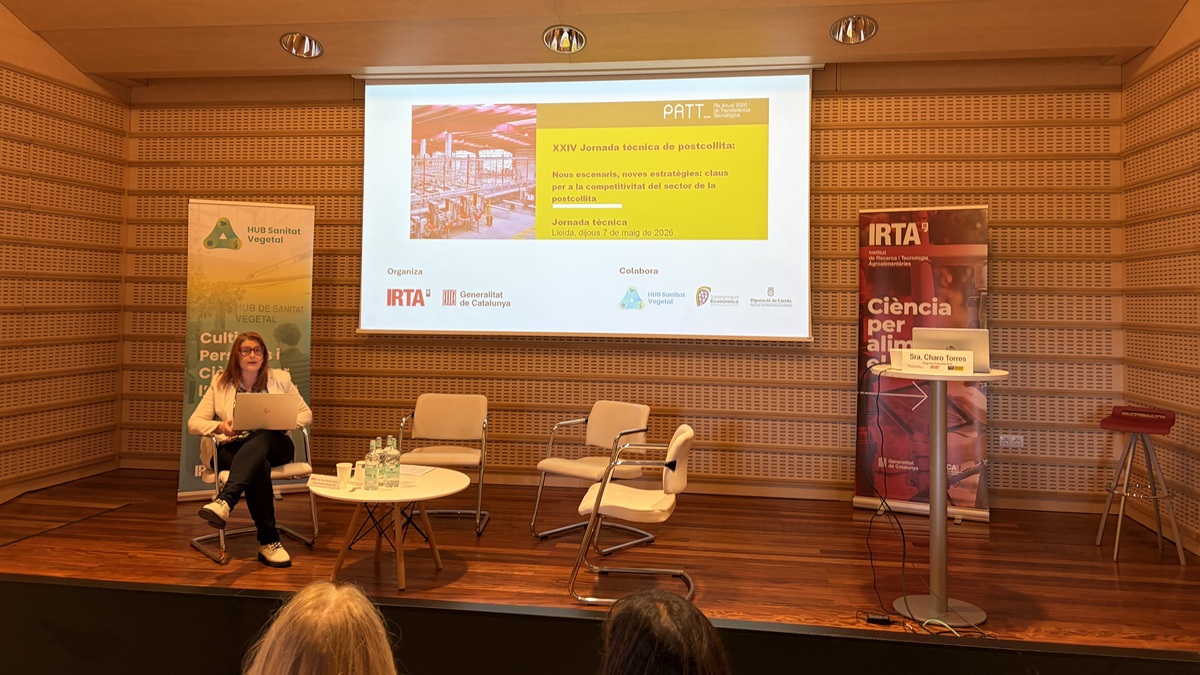
The 24th IRTA postharvest technical conference addresses how to adapt fruit storage to a scenario with fewer tools and higher demands