Cooling and CA
New postharvest strategies aim to extend sugar apple shelf life
A review examines the physiological mechanisms behind rapid sugar apple deterioration and highlights the most promising preservation technologies for maintaining postharvest quality
Fruit physiology explains rapid quality loss
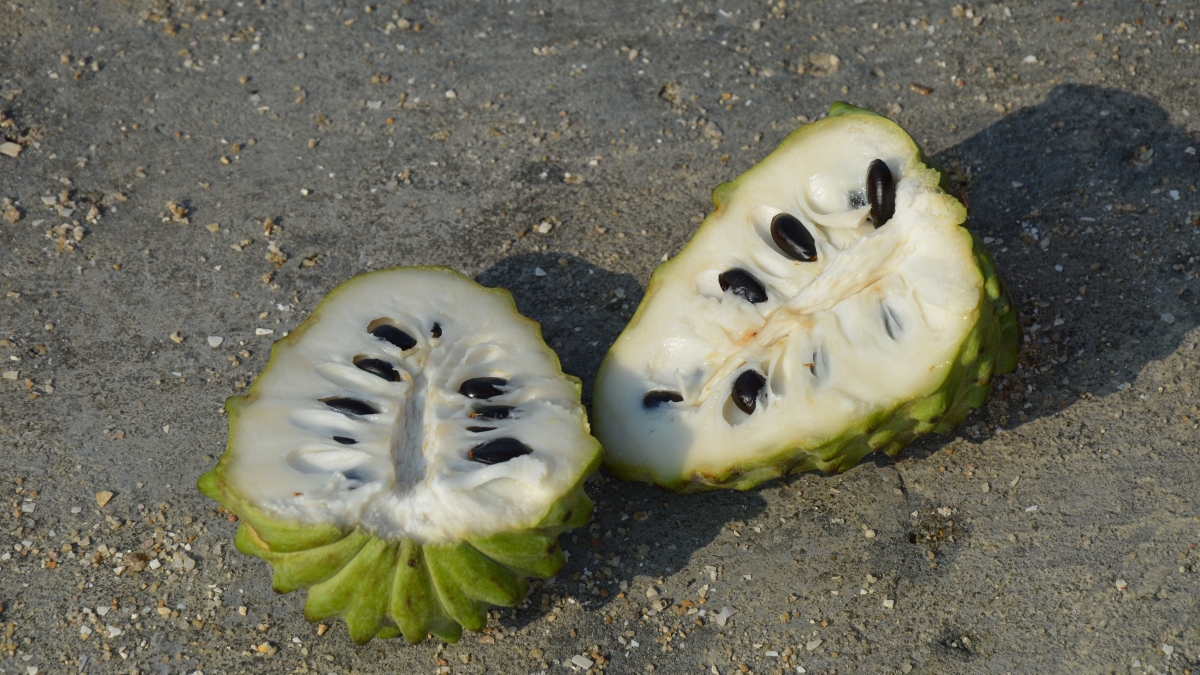
Sugar apple (Annona squamosa L.) is a highly nutritious tropical fruit, but its commercial potential is limited by its short postharvest life. A new scientific review examines the physiological and biochemical processes responsible for rapid senescence, including climacteric respiration, fruit softening, peel browning and physiological cracking.
The authors describe these changes through a "program-capacity coupling" model, in which ethylene acts as the ripening signal while respiratory energy metabolism determines how rapidly deterioration progresses.
Omics technologies open new preservation opportunities
The review highlights recent advances achieved through multi-omics approaches, which have identified key genes involved in cell wall remodeling, oxidative stress and other mechanisms associated with firmness loss and postharvest quality decline.
These findings are helping researchers develop more targeted preservation strategies capable of delaying senescence while maintaining fruit quality.
Physical, chemical and biological technologies improve storage
Among the preservation methods reviewed are cold chain management, pulsed electric fields, 1-methylcyclopropene (1-MCP) treatments to inhibit ethylene action, and biological edible coatings.
According to the authors, combining different preservation technologies offers the greatest potential to maintain fruit quality throughout storage and distribution. However, challenges remain in managing fruit variability and transferring laboratory advances to commercial-scale applications.
Nanotechnology could shape future postharvest preservation
Future research should focus on spatial omics to better understand deterioration mechanisms, nanostructured active packaging capable of controlled compound release, and standardized hurdle technologies to maximize the commercial potential of sugar apple worldwide.
Source
Luo, R., Zhu, J., Zhang, R., Li, C., Liu, W., Fei, Y., Zhao, H., & Deng, Y. (2026). A review of postharvest senescence of sugar apple (Annona squamosa L.) fruit: Physiological mechanisms, quality deterioration, and preservation strategies. Current Research in Food Science. https://www.sciencedirect.com/science/article/pii/S2772566926002119
Related news