Cooling and CA
Nitric oxide improves the postharvest preservation of ‘Eragil’ peaches
A study shows that applying nitric oxide during controlled atmosphere storage reduces physiological disorders and helps maintain the postharvest quality of peaches for a longer period
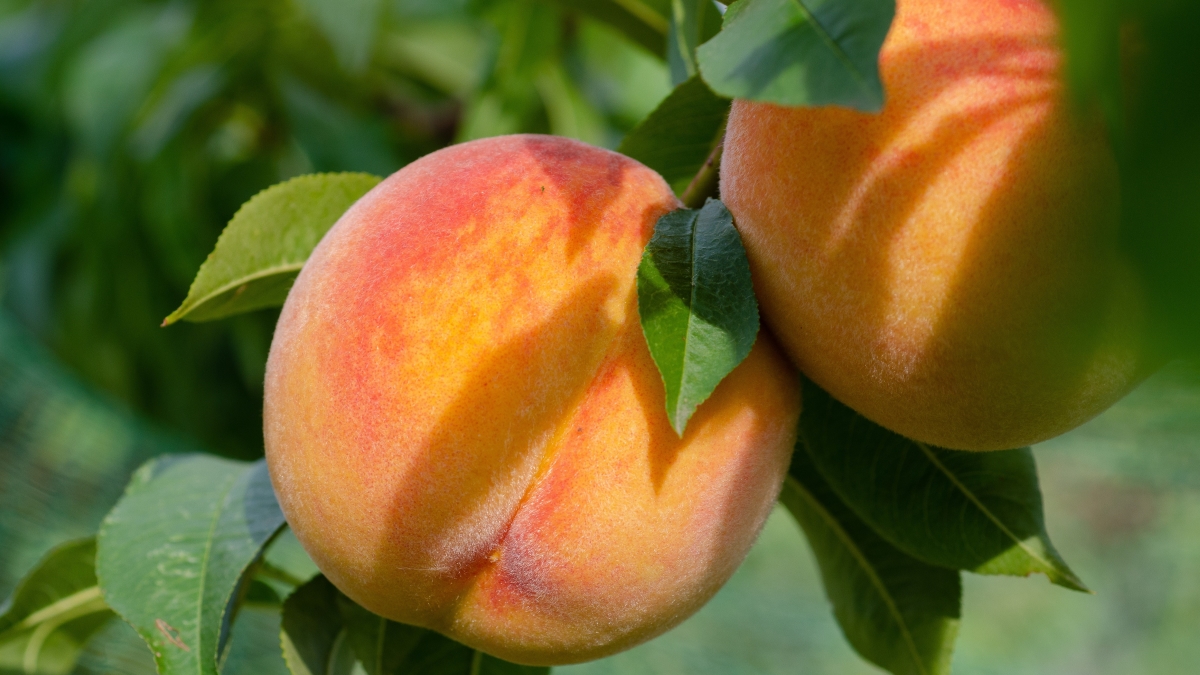
Maintaining peach quality during storage remains one of the main challenges for the fruit industry, as peaches are highly susceptible to decay and chilling-related physiological disorders that reduce their commercial value. To improve postharvest preservation, a team of researchers evaluated the effect of different nitric oxide (NO) application strategies during controlled atmosphere (CA) storage on ‘Eragil’ peaches.
Evaluating different doses and application timings
The study was conducted during the 2022/2023 and 2023/2024 growing seasons. Researchers tested nitric oxide concentrations of 5 and 10 µL L⁻¹, applied at different stages of storage: at the beginning, at the beginning and the end, at the beginning, middle and end, and every 15 days throughout storage.
The objective was to identify the treatment strategy that best preserved fruit quality while reducing the physiological disorders associated with long-term storage.
Lower incidence of decay and chilling injury
The results showed that applying 5 µL L⁻¹ of nitric oxide at the beginning and end of storage was the most effective treatment. This strategy significantly reduced the incidence of decay, woolliness and internal browning, two of the most common disorders affecting peaches during cold storage.
In addition, treated fruit exhibited a lower respiration rate, indicating a slower metabolic activity during storage and contributing to an extended postharvest life.
Effects on ethylene production and fruit colour
Researchers also evaluated ethylene production, a plant hormone closely associated with fruit ripening. During the first season, untreated fruit showed the highest ethylene production, whereas in the second season the highest values were recorded in some treatments involving repeated nitric oxide applications.
Regarding fruit colour, peaches treated with nitric oxide maintained a less yellow background colour than untreated fruit. The 5 and 10 µL L⁻¹ treatments applied at the beginning and end of storage provided the best results, helping to preserve the fruit's commercial appearance throughout the storage period.
A promising strategy to extend shelf life
The authors conclude that nitric oxide application during controlled atmosphere storage is an effective tool for improving the postharvest quality of ‘Eragil’ peaches. Among all the strategies evaluated, applying 5 µL L⁻¹ at the beginning and end of storage produced the best results, yielding fruit with greater resistance to decay and chilling injury while maintaining its commercial quality.
These findings highlight the potential of nitric oxide as a complementary postharvest technology to improve the storage performance of stone fruit and reduce postharvest losses.
Source
Coser, W., Correa, I. de O., Alves, J. A. V., Stefanello, G., Falk de Ávila, L. G., Zanella, S. M., & Steffens, C. A. (2026). Nitric oxide in controlled atmosphere storage of ‘Eragil’ peaches. Postharvest Biology and Technology. https://www.sciencedirect.com/science/article/pii/S0925521426004424
Related news