Postharvest facility metrics should never be treated as routine paperwork. They are one of the most effective ways to detect quality issues before they lead to shrink, claims, or rejected shipments. A weekly review helps connect storage conditions, fruit physiology, and packout performance, enabling more informed decisions about storage, ripening, receiving, and product release.
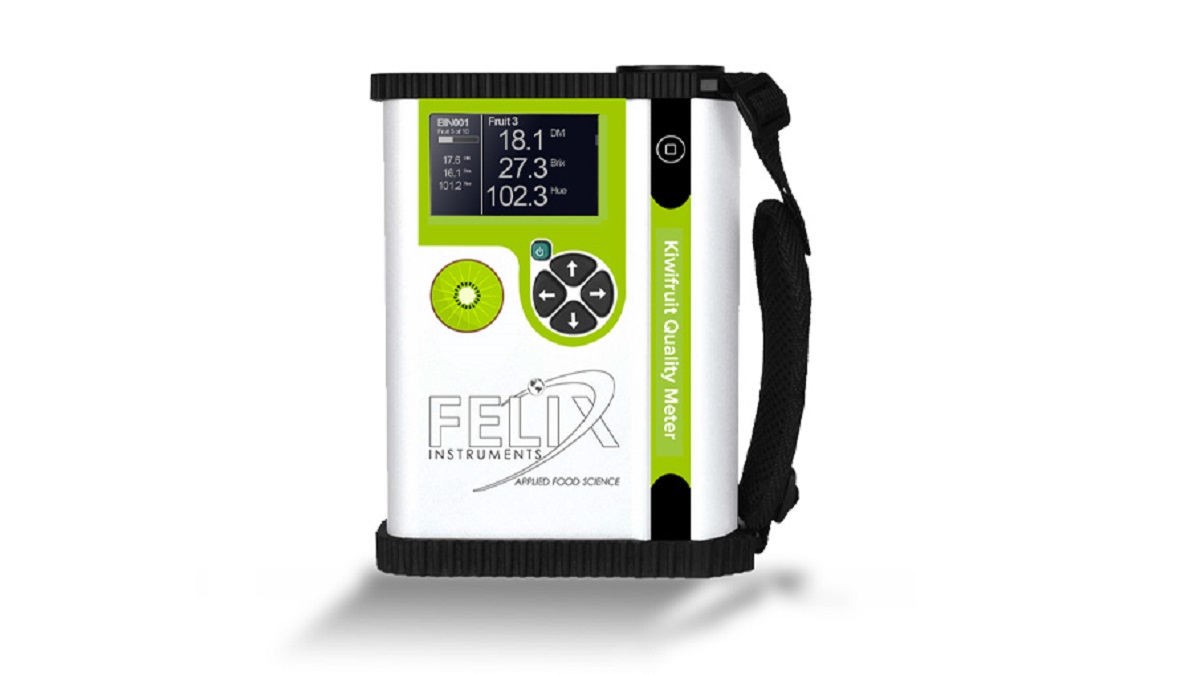
In this context, Felix Instruments offers a range of gas analyzers and non-destructive quality assessment tools that allow teams to monitor both storage environments and fruit quality, providing a complete picture of postharvest performance.

Ethylene concentration
Ethylene is one of the most critical parameters because excessive levels can accelerate senescence during storage or result in uneven ripening. Weekly monitoring helps identify leaks, residual ethylene, inadequate room turnover, or inconsistencies between ripening rooms.
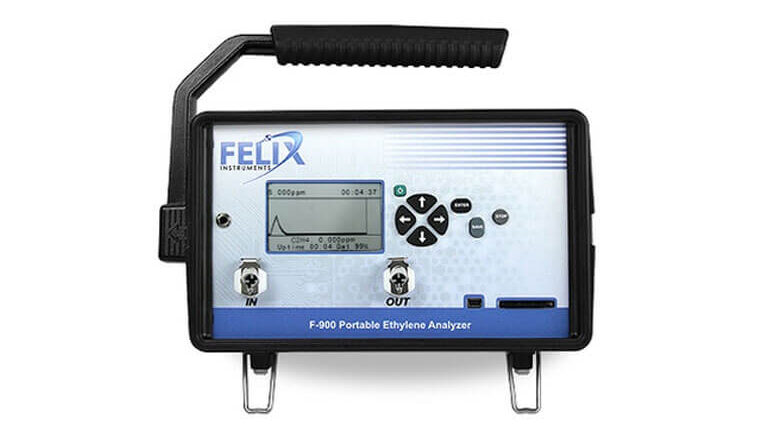
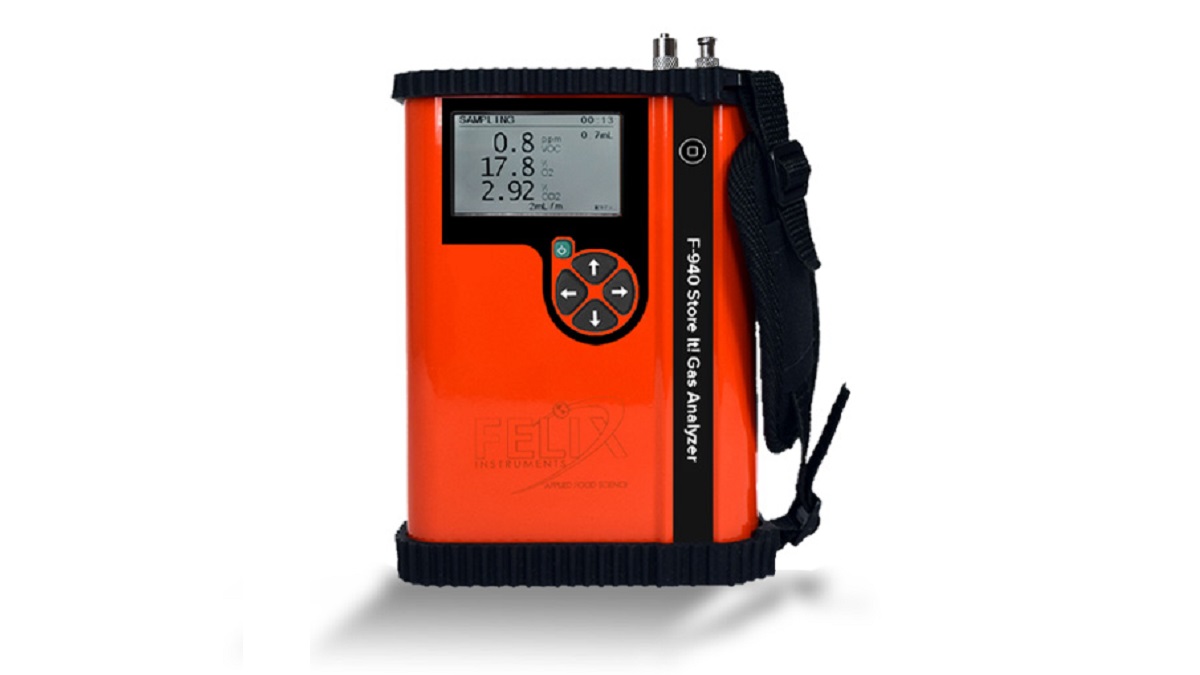
Felix offers several instruments depending on the application. The F-940 Store It! Gas Analyzer measures ethylene, CO₂, and O₂ for routine storage checks; the F-950 Handheald Analyzer monitors all three gases throughout storage and handling operations; and the F-960 Ripen It! is designed for ripening programs and controlled atmosphere applications, measuring ethylene concentrations from 10 to 1000 ppm.
Oxygen concentration
Monitoring oxygen verifies that storage atmospheres remain within the intended range. Variations in O₂ can alter fruit respiration, increase physiological stress, and reduce storage consistency.
The F-920 Check It! is designed for portable O₂ and CO₂ analysis in modified atmosphere packaging (MAP), packing lines, laboratories, and storage facilities. When simultaneous monitoring of oxygen, ethylene, and CO₂ is required, the F-940 and F-950 provide an efficient all-in-one solution.
Carbon dioxide concentration
CO₂ levels reflect both fruit respiration and storage conditions. High concentrations may indicate poor ventilation, increased respiration, or packaging issues, while levels below target can also affect processes that depend on controlled atmospheres.
Rather than relying on individual measurements, tracking weekly CO₂ trends helps verify long-term system stability. Felix gas analyzers integrate CO₂ monitoring as a core function, allowing facilities to evaluate all key gases within a single workflow.
Dry matter
Dry matter is a valuable indicator of how fruit is likely to perform during storage, ripening, and retail. Beyond harvest maturity, it supports lot segregation, intake decisions, ripening strategies, and shipment timing.
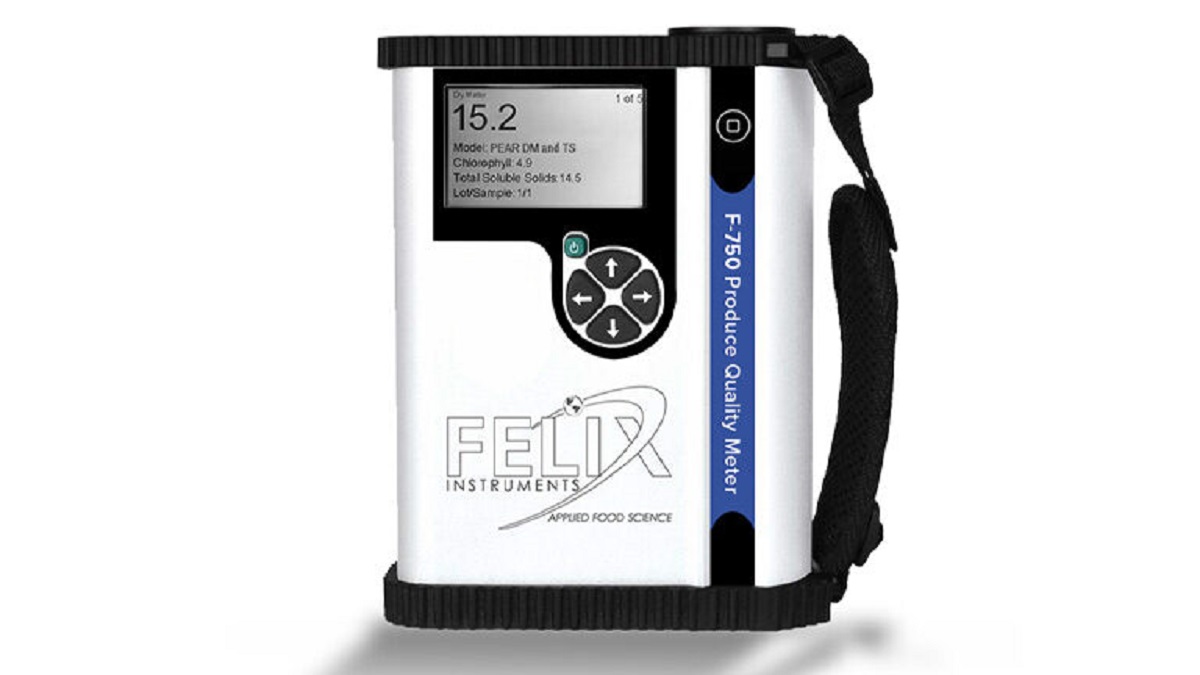
The F-750 Produce Quality Meter measures dry matter non-destructively, enabling facilities to collect quality information without the need for routine destructive laboratory testing.
Soluble solids (°Brix)
Weekly °Brix measurements help determine whether fruit is progressing toward the flavor and eating quality expected by consumers. They are useful for comparing incoming lots, monitoring stored fruit, and validating ripening programs.
The F-750 also estimates °Brix, allowing one instrument to assess both maturity and quality from harvest through postharvest operations.

Lot-to-lot variability
In addition to monitoring average room values, facilities should evaluate differences between lots, suppliers, orchards, and pallets. High variability often results in uneven ripening, inconsistent quality, and customer claims.
Felix analyzers feature automatic data logging and portable operation, making it easier to sample multiple locations and obtain a more representative assessment of facility performance.
Data completeness and response time
The final metric evaluates whether scheduled measurements were completed and whether out-of-spec conditions were addressed promptly. Even with advanced equipment, inconsistent workflows can compromise process control.
Felix instruments include automatic data storage with timestamps, relative humidity, GPS information, and high-capacity SD cards, making weekly data review and comparison straightforward.
How to use these metrics in a weekly review?
A simple weekly rhythm works well:
- Review gas data by room, commodity and lot.
- Compare incoming quality metrics against in-storage and pre-ship results.
- Flag lots with unusually high variability.
- Check whether corrective actions were taken on out-of-range rooms.
- Use the week’s data to adjust ripening plans, room settings, and release priorities.
The point is not to create more reporting. The point is to make the facility easier to run. The best metric set is one that tells your team what to do next.
Takeaway
Tracking these seven key metrics—ethylene, oxygen, carbon dioxide, dry matter, °Brix, lot-to-lot variability, and data completeness and response time—helps facilities identify issues before they affect product quality. By combining portable gas analyzers with non-destructive produce quality assessment tools, Felix Instruments provides a comprehensive solution for improving postharvest process control, supporting better decision-making, and reducing losses throughout the supply chain.
More information