
Felix Instruments
Measurements
Third-party quality certification for fresh produce: Key points for understanding what it is and who issues it
Felix Instruments explains what third-party certification is and how it contributes to verifying the quality and safety of fruits and vegetables
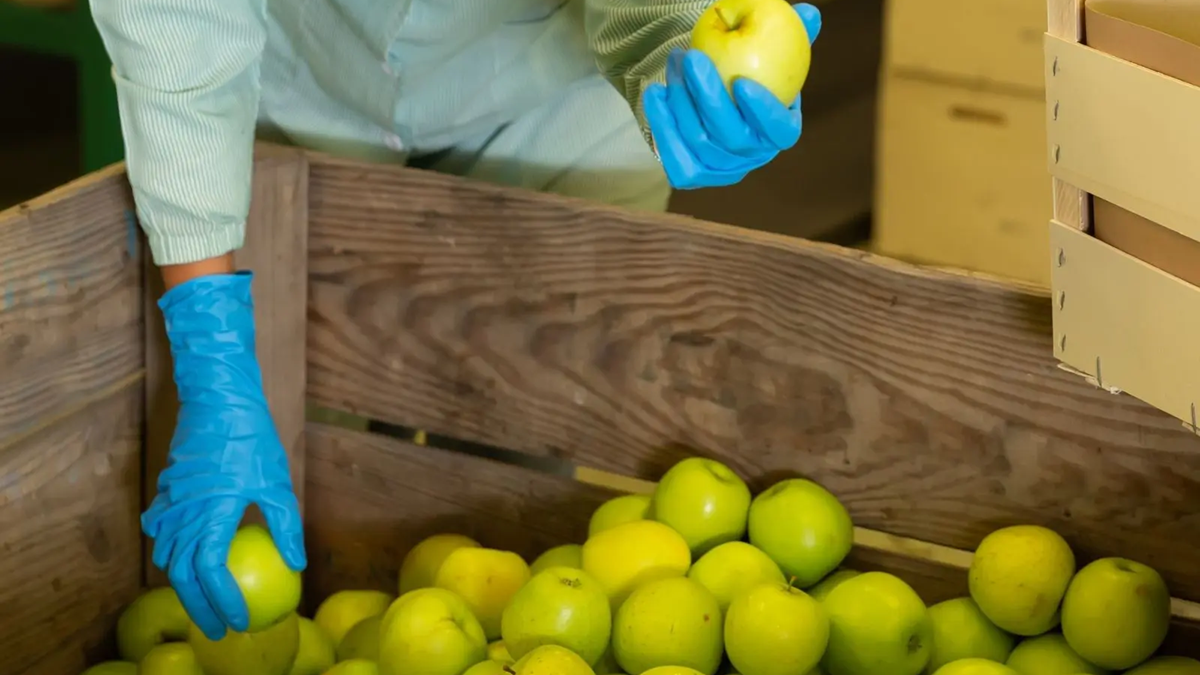
In today's agri-food industry, ensuring the safety and quality of fresh fruits and vegetables is no longer merely an added value, but an essential requirement for accessing the most competitive markets.
In this context, third-party certification has established itself as a key tool for fostering confidence, impartiality, and transparency throughout the entire supply chain.
What is third-party certification for fresh produce?
Third-party certification is an independent assessment and inspection process in which an accredited external entity—with no commercial ties to either the producer (first party) or the buyer (second party)—audits and verifies that a farm or packing facility strictly complies with a set of pre-established technical rules and international standards.
Unlike internal self-assessments or direct customer verifications, this neutral audit validates fundamental aspects such as:
-
Food safety: Control of microbiological, chemical, and physical hazards.
-
Good Agricultural Practices (GAP): Responsible pesticide use, irrigation water quality, and hygiene during handling and harvesting.
-
Traceability: The ability to track the product's origin and journey throughout the supply chain.
- Sustainability and social welfare: Respect for the environment and ethical working conditions for employees.
Who is involved in the process? Standards and certification bodies
To understand this ecosystem, it is necessary to distinguish between the organizations that develop the standards (the schemes) and the independent bodies that conduct field audits.
1. Leading international schemes and standards
These organizations define the technical standards that producers must meet:
-
- GLOBALG.A.P.: The Good Agricultural Practice standard most widely demanded globally by major retail chains to ensure food safety and sustainable agricultural production.
- SQF (Safe Quality Food): A globally recognized food safety and management program widely used in markets across the Americas.
- BRCGS (British Retail Consortium Global Standards): An essential food safety standard for supplying the retail and supermarket sectors in Europe and the United Kingdom.
- IFS (International Featured Standards): Focused on process and quality auditing within the supply chain; highly relevant in the continental European market.
2. Accredited certification bodies (Third parties)
International schemes do not conduct audits directly. Instead, they authorize independent auditing firms to send inspectors into the field, assess operations, and issue official certification:
-
- SGS: A leading global multinational in inspection, analysis, and certification for the agricultural sector.
- Bureau Veritas: A leading global entity in conformity assessment, auditing, and safety standard certification services.
- TÜV SÜD / TÜV Rheinland: Independent German technical inspection bodies with a significant presence in agri-food quality control.
- Kiwa: Specialists in the certification of agri-food supply chains, organic products, and sustainability standards.
Control Union: An auditing firm specializing in sustainable supply chains, organic agriculture, and international safety standards.
The strategic value of independent certification
Obtaining the seal of a third-party certification body not only facilitates compliance with current legal regulations but also opens the door to demanding export markets, reduces the risk of product recalls, and instills maximum confidence in the end consumer.
News of Felix Instruments