
Felix Instruments
Felix Instruments

Felix Instruments

Measurements

Key strategies to prevent the main postharvest losses in melons

A review examines the main factors affecting melon postharvest quality and outlines best practices to reduce physical physiological and microbial losses during storage and distribution
Melon-Quality.jpg
07 July, 2026
Measurements

Melon is one of the world's most important horticultural crops and remains physiologically active after harvest, making it susceptible to quality deterioration throughout the supply chain. Effective postharvest management is essential to preserve fruit quality and minimize economic losses.

The species Cucumis melo includes numerous cultivar groups that differ in size, color, texture, sweetness, and ripening behavior. Some cultivars are climacteric and require ethylene to complete ripening, while others are non-climacteric and ripen independently of this hormone.

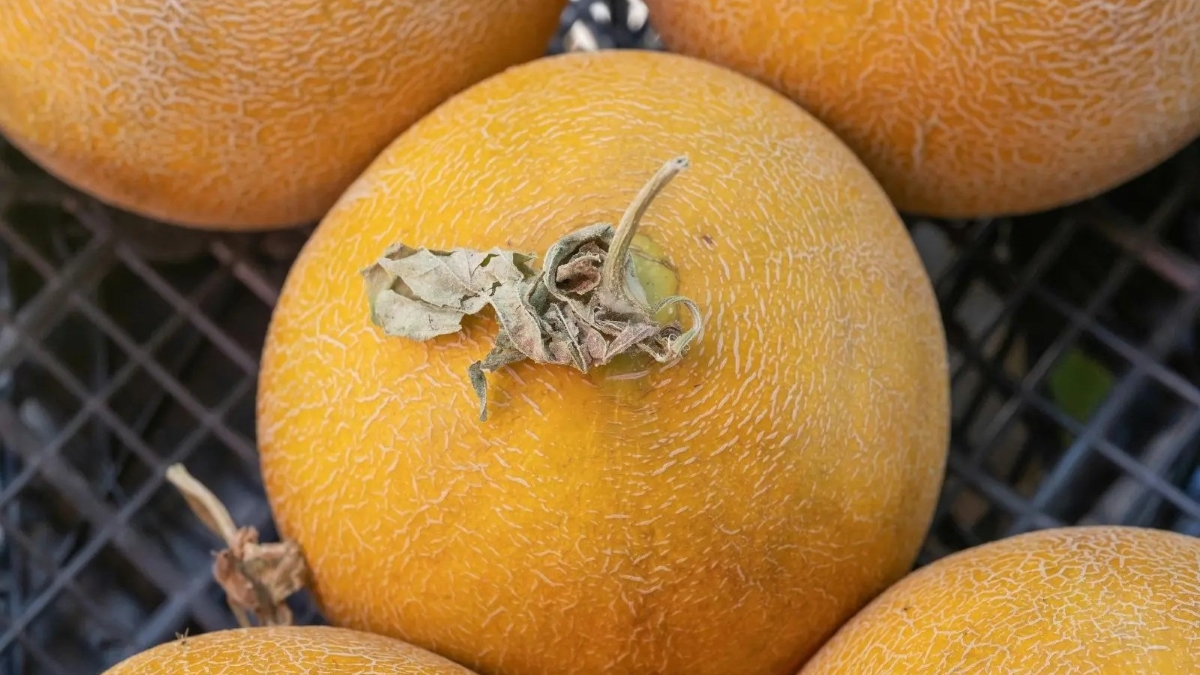
The main external quality indicators include the absence of surface defects, firm flesh, an intact rind, a smooth stem scar, and appropriate fruit weight. Internal quality is commonly evaluated by measuring soluble solids content (SSC) and titratable acidity.

Although breeding programs often prioritize longer shelf life, this can sometimes reduce flavor. Harvesting fruit at the proper maturity stage therefore remains essential to achieve high sugar content and good eating quality.

Physical Problems

Mechanical damage is one of the leading causes of postharvest losses. Bruising, compression during stacking, and improper handling can result in cracks, tissue breakdown, and internal injuries that shorten shelf life and reduce market value.

Another critical factor is excessive free moisture on the fruit surface. After washing and sanitizing, melons should be thoroughly dried to prevent postharvest decay and reduce the risk of cross-contamination.

Physiological Disorders

Ethylene plays a major role in melon ripening. Excessive exposure, either produced naturally by the fruit or coming from external sources, accelerates ripening and shortens shelf life.

The main physiological changes include peel color development, firmness loss, premature increases in soluble solids, and reductions in titratable acidity. These processes can be delayed using treatments such as 1-methylcyclopropene (1-MCP), calcium applications, refrigerated storage, or modified-atmosphere packaging.

Weight loss is also an important concern due to respiration and water loss. Storage at temperatures between 7 and 10 °C with 90–95% relative humidity, particularly under controlled or modified atmospheres, helps reduce respiration and maintain fruit weight.

Chilling Injury

Although refrigeration extends shelf life, storing melons below 4 °C for prolonged periods may cause chilling injury in most cultivars.

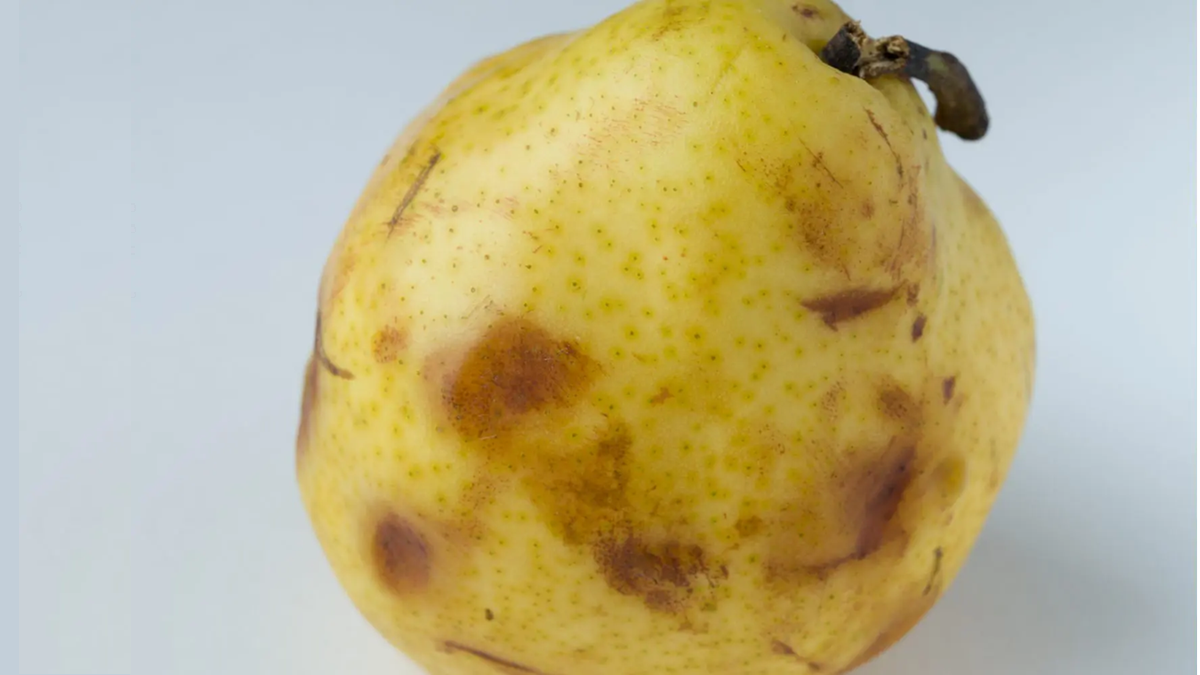
Typical symptoms include browning, pitting, sunken lesions, abnormal ripening, and increased susceptibility to fungal infections. The risk decreases as fruit maturity increases.

Ripening and Flavor Disorders

Storage at excessively low temperatures or under unsuitable controlled-atmosphere conditions may prevent normal ripening, especially in fruit harvested too early.

High carbon dioxide concentrations may also produce undesirable off-flavors caused by anaerobic respiration, although these generally disappear once the fruit is returned to normal air conditions.

Pathological Problems

Melons may carry bacteria, fungi, and other microorganisms acquired both in the field and during postharvest handling. Because fruits develop close to the soil, their rind can easily become contaminated by pathogens present in soil, irrigation water, or manure.

Netted-rind cultivars are particularly vulnerable because microorganisms can remain trapped within the rough surface, making sanitation more difficult.

Among the most important foodborne pathogens associated with melons are Salmonella, Listeria, Escherichia coli, and norovirus. Common fungal pathogens include Alternaria, Penicillium, Rhizopus, and Aspergillus. Their development can be reduced through hot-water treatments, refrigerated storage, and controlled-atmosphere conditions.

Quality Monitoring Improves Postharvest Management

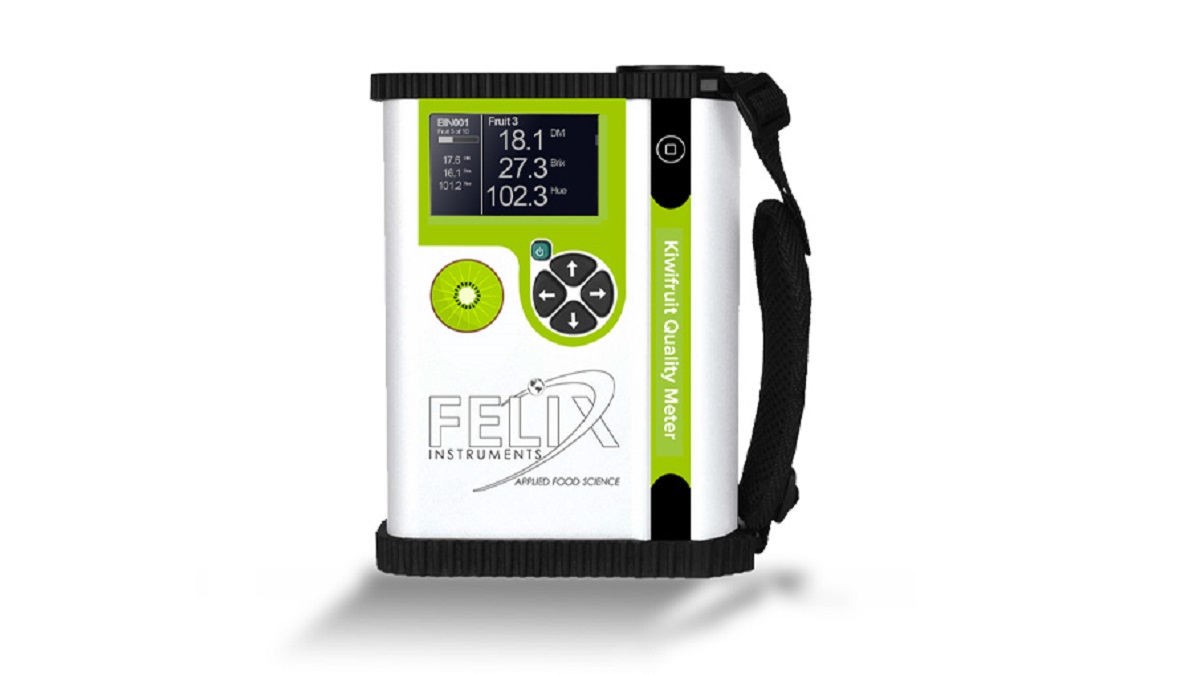
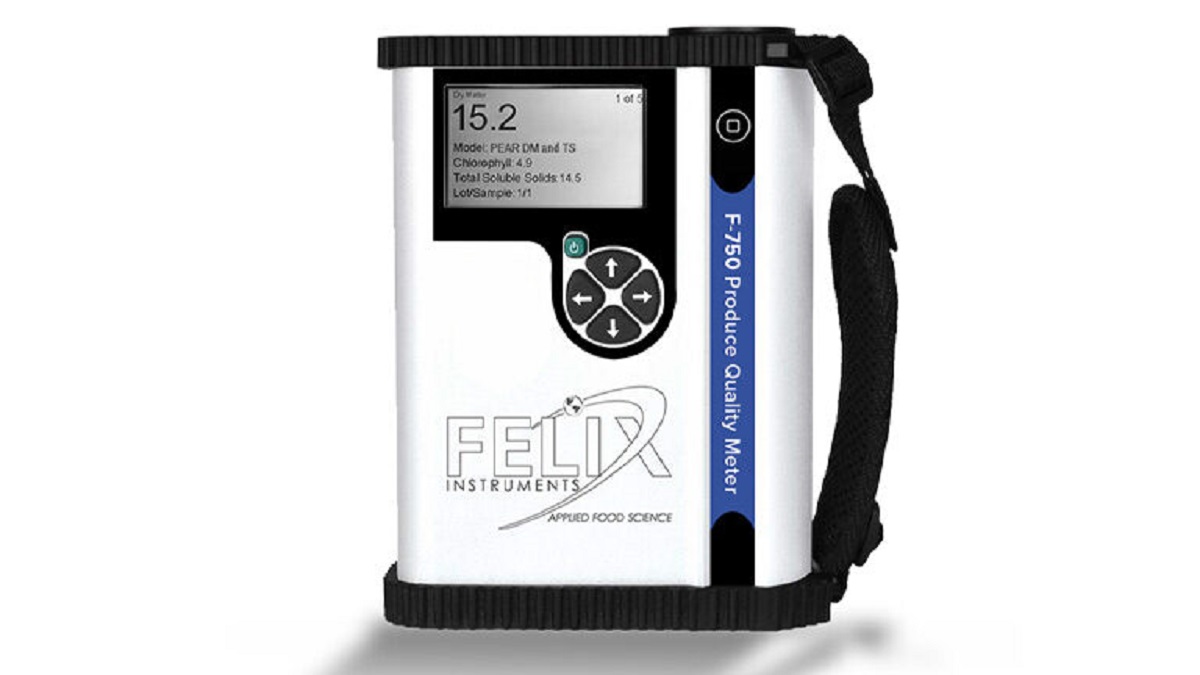
Continuous quality monitoring allows producers and distributors to detect changes before they affect marketability. Modern non-destructive technologies can rapidly measure soluble solids, acidity, and other quality attributes without damaging the fruit, improving decision-making throughout the supply chain.

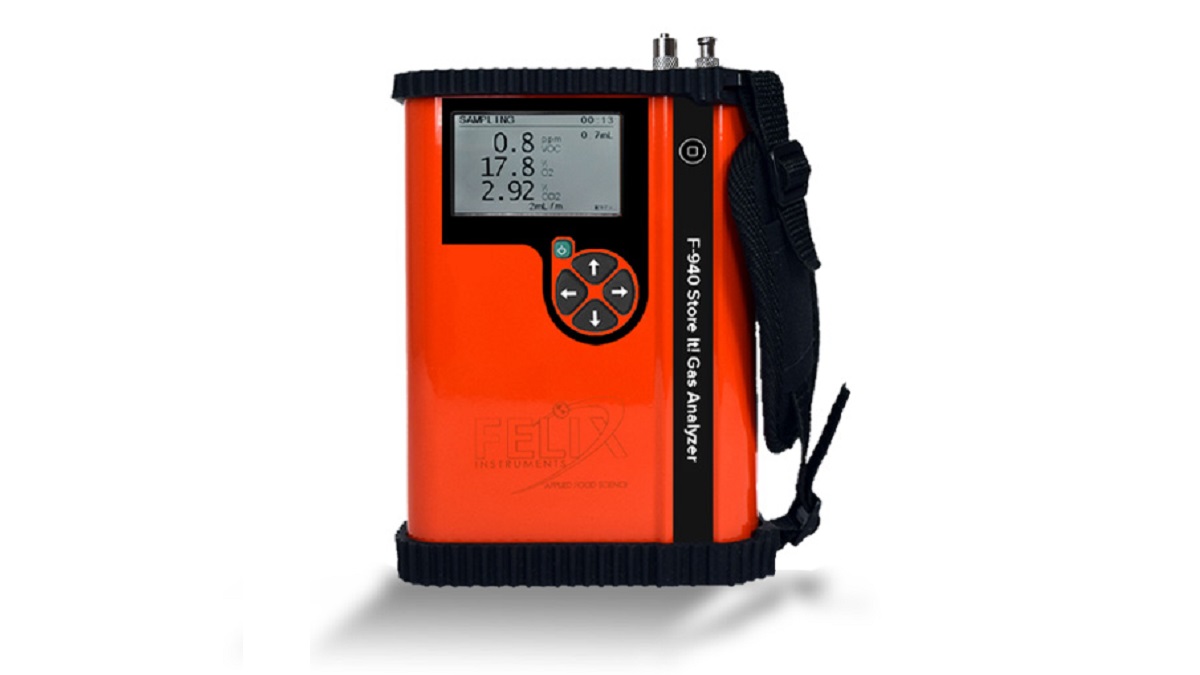
The authors also emphasize the importance of monitoring oxygen, carbon dioxide, and ethylene concentrations in controlled-atmosphere rooms and modified-atmosphere packaging to maximize melon shelf life.


More information at Felix Instruments

whatsapp
Plan de Recuperación, Transformación y Resiliencia Financiado por la Unión Europea