
Felix Instruments
Measurements
Scientific keys to plant physiology for cold chain quality optimization
Understanding post-harvest metabolic behavior enables the application of technical strategies through specialized analytical sensors ensuring prolonged freshness and minimizing industrial food waste
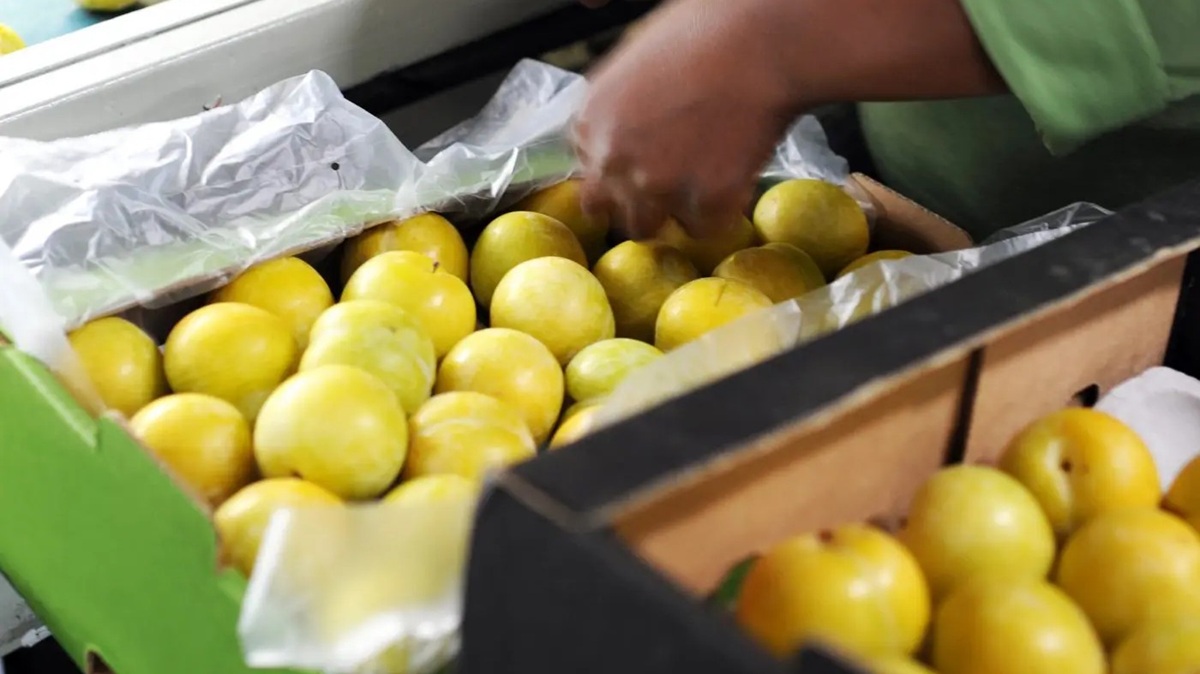
Postharvest physiology is the science that studies the biological processes of fresh produce once separated from the parent plant. Deprived of water and nutrients, fruits and vegetables enter a critical phase where they remain alive by consuming their own reserves.
As highlighted by Felix Instruments, understanding these mechanisms is vital for industry professionals seeking to reduce waste, as changes in color, flavor, and texture depend directly on managing these processes during storage and transport.
Key determining processes Respiration and Transpiration
Quality deterioration begins with two fundamental functions that affect the product’s structure:
- Respiration: The plant oxidizes its carbohydrates (sugars) to obtain energy, releasing heat, water, and carbon dioxide. An excessively high respiration rate quickly depletes internal reserves, leading to loss of weight and firmness. Temperature control and atmospheric gas composition are the primary tools for slowing down this energy expenditure.
- Transpiration: This is the loss of water vapor into the air through diffusion. When a product loses between 3% and 10% of its moisture content, visible symptoms appear, such as wilting, skin shriveling, and loss of gloss. This process is influenced by the relative humidity of the environment and the physical characteristics of the skin of each species.
Chemical regulation Ethylene and Enzymatic Activity
Beyond weight loss, ripening and aging are driven by chemical signals:
- Ethylene Production: This gaseous phytohormone acts as the "ripening switch." Even in trace concentrations, it can accelerate senescence and increase susceptibility to diseases. Monitoring ethylene levels in storage rooms is indispensable to prevent unwanted ripening, especially in climacteric products.
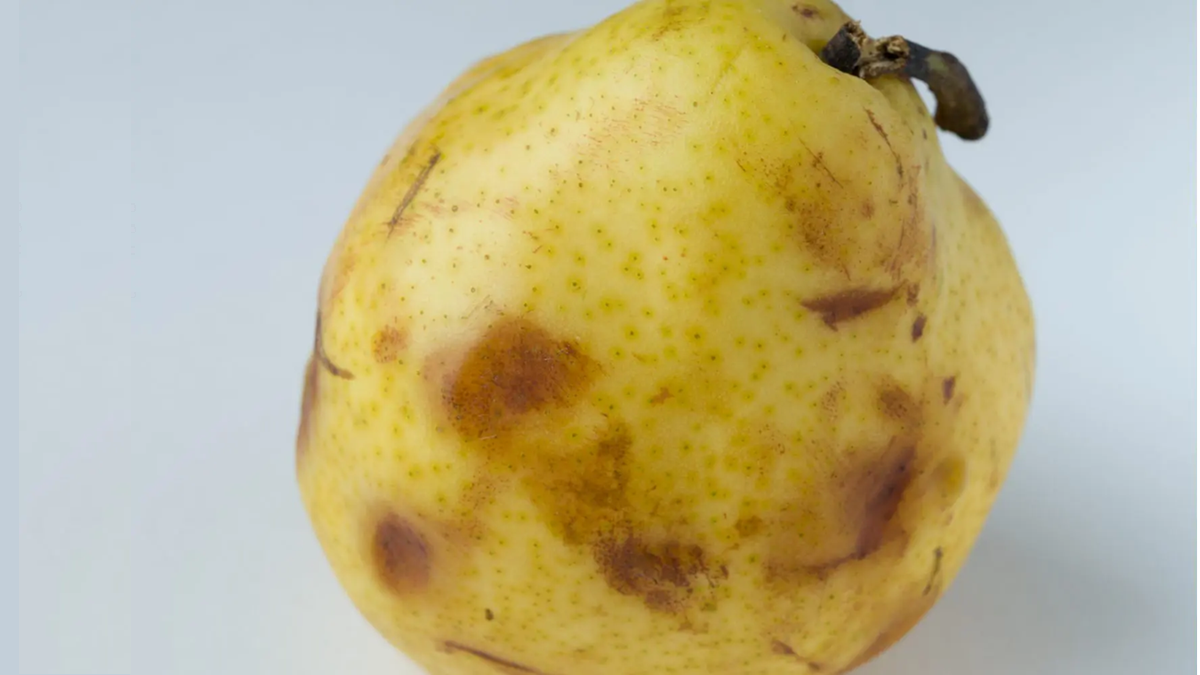
- Enzymatic Activity: During the post-harvest stage, various enzymes degrade cell wall components, transforming starch into sugar and altering texture. While this is desirable for flavor development, uncontrolled enzymatic activity leads to internal browning and excessive softening of the pulp.
The value of monitoring through analytical technology
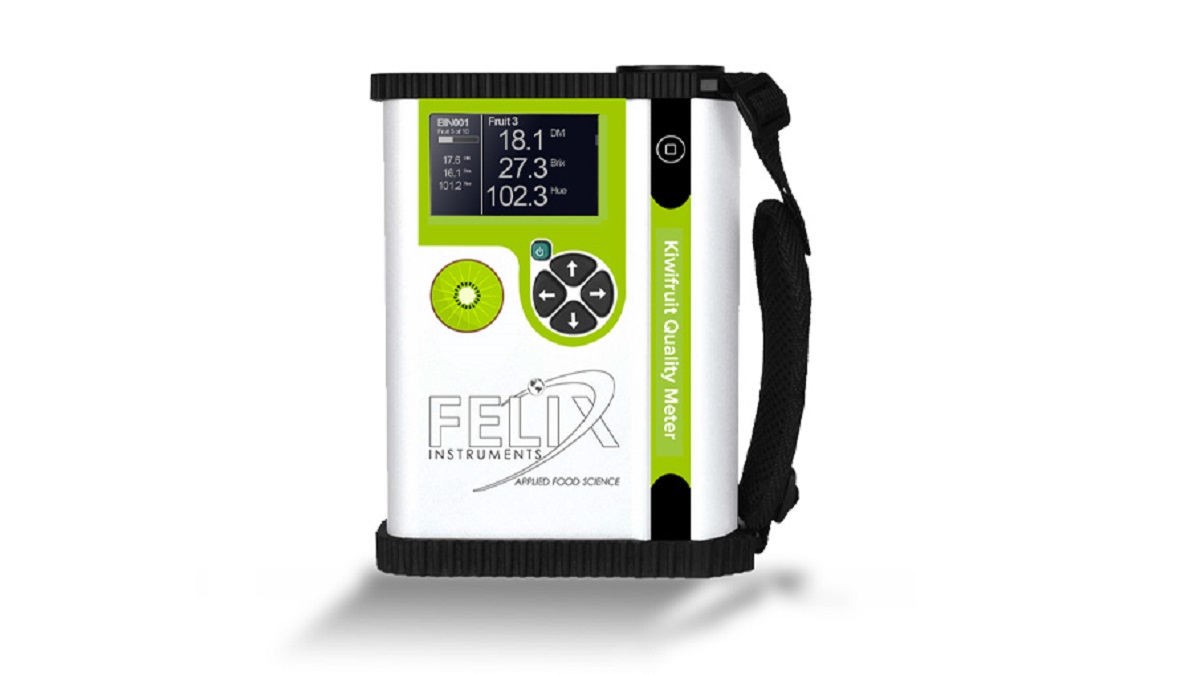
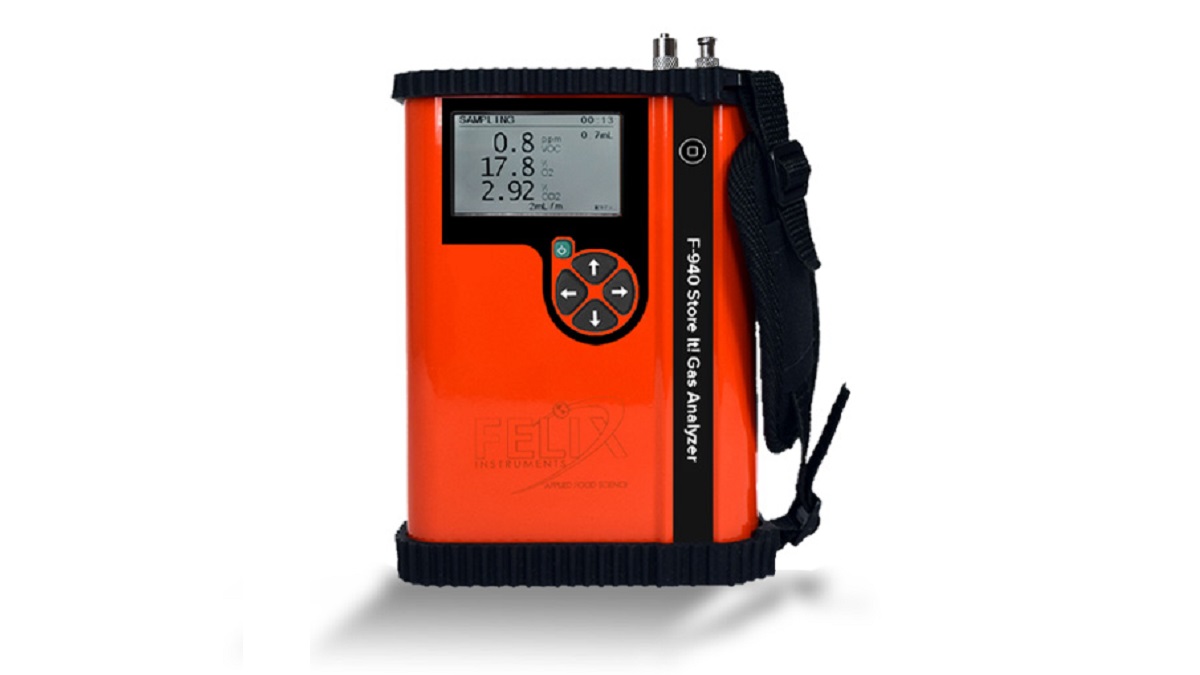
The key to extending commercial shelf life lies in the ability to constantly measure and adjust the environment. Felix Instruments provides industry leading solutions such as the F-910 AccuStore and their range of handheld gas analyzers, allowing technicians to validate conditions in ripening rooms and shipping containers.
Only through rigorous monitoring of O2, CO2 y C2H4 can negative biological processes be slowed down, transforming scientific knowledge into an operational advantage that ensures products reach the market with their peak quality intact.
News of Felix Instruments