
Felix Instruments
Measurements
Differences in modified atmosphere packaging: whole vs fresh-cut produce
Minimal processing increases respiration, water loss and microbial risk, requiring adjustments in MAP conditions
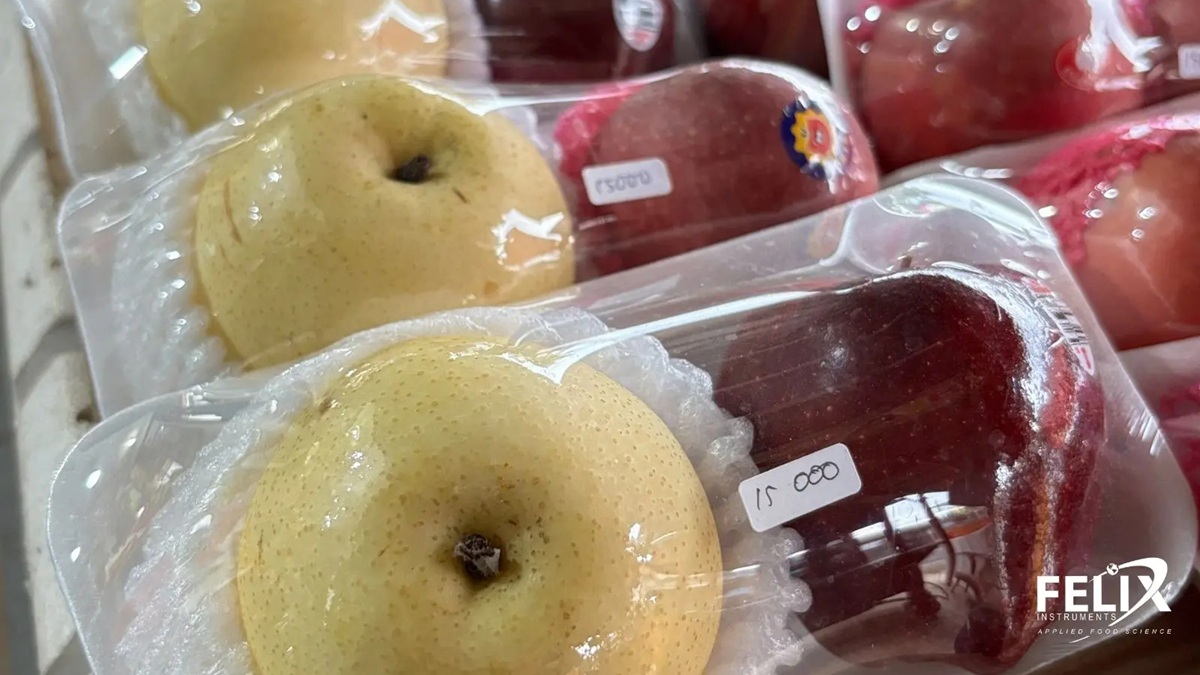
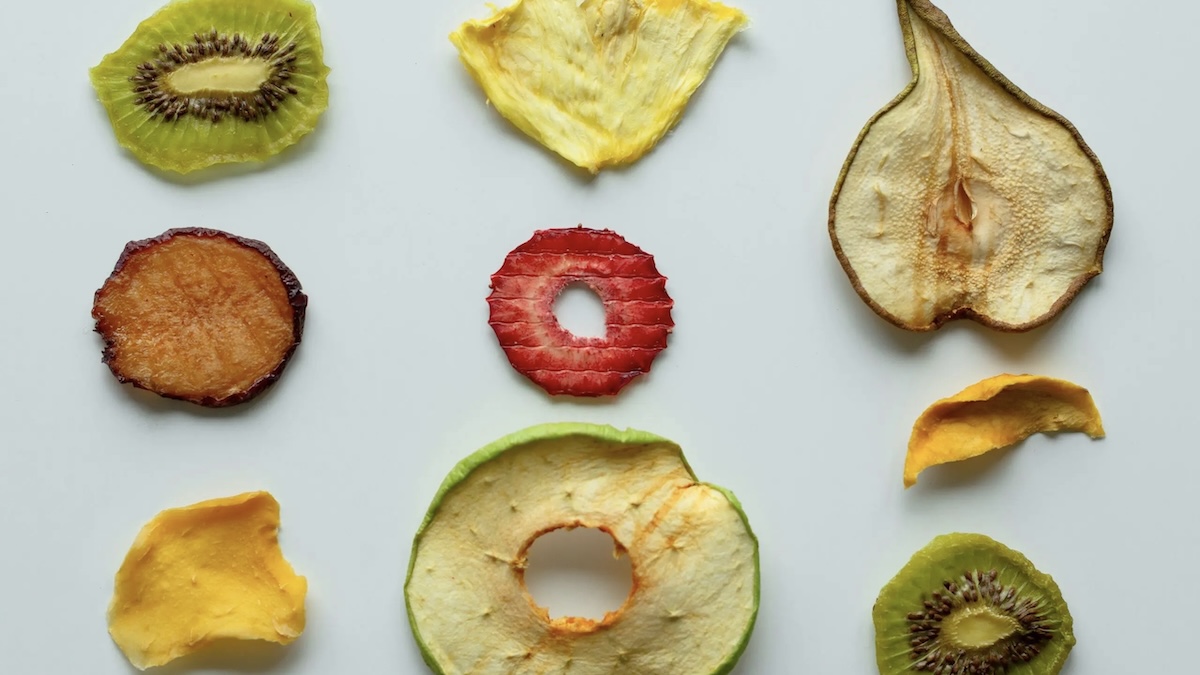
The growing demand for fresh-cut fruits and vegetables is driving the adaptation of preservation technologies. These products retain most of their nutritional and sensory properties, but show higher physiological and microbiological vulnerability compared to whole produce. In this context, modified atmosphere packaging (MAP) is used to extend shelf life, although optimal conditions differ depending on the level of processing.
Higher physiological activity in fresh-cut produce
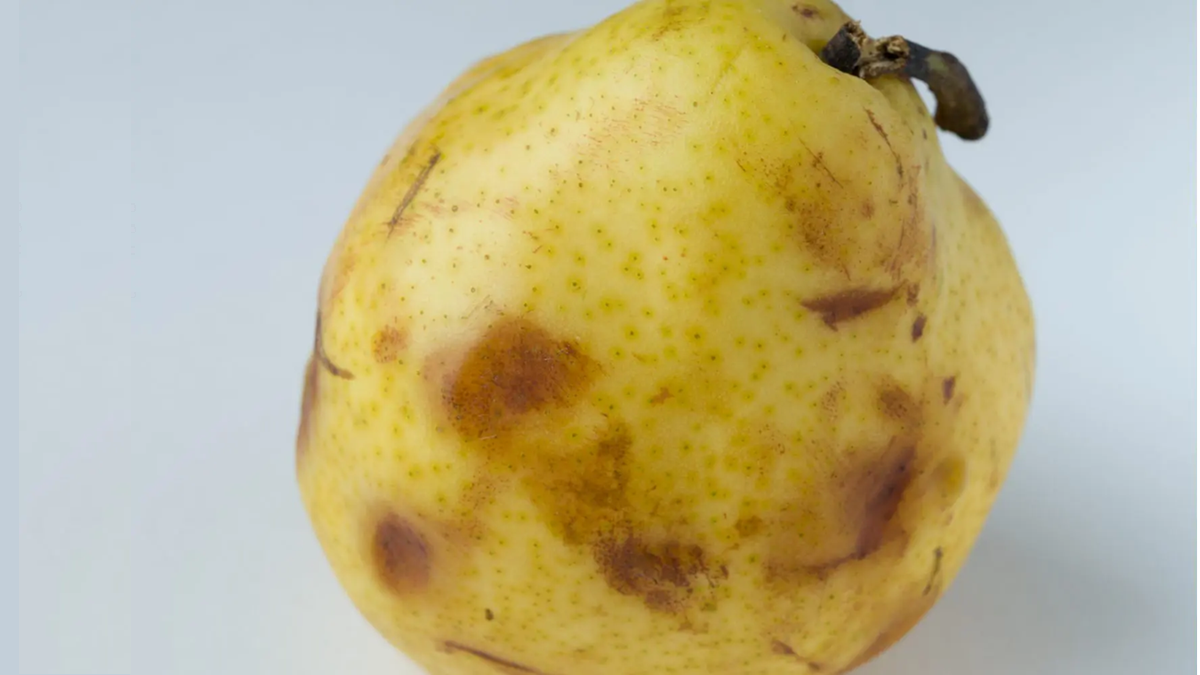
Minimal processing, such as washing, peeling or cutting, damages plant tissues and increases physiological stress. As a result, respiration, transpiration and ethylene production increase. This effect can be significant. For example, pear respiration can rise from 6 to 25 mg CO₂·kg⁻¹·h⁻¹ after cutting, and lettuce leaves show higher respiration rates than intact heads under the same conditions.
The increase in exposed surface area also enhances water loss, accelerating dehydration, wilting and texture degradation. In addition, tissue damage promotes oxidation, leading to browning and colour loss.
Higher microbial risk and shorter shelf life
Processing removes the natural barriers of the product, facilitating microbial entry and growth. The release of cellular compounds creates a favourable environment for bacteria, yeasts and moulds. As a result, the shelf life of fresh-cut produce is significantly shorter than that of whole produce, decreasing from weeks to just a few days under similar conditions.
Adjustments in modified atmosphere packaging
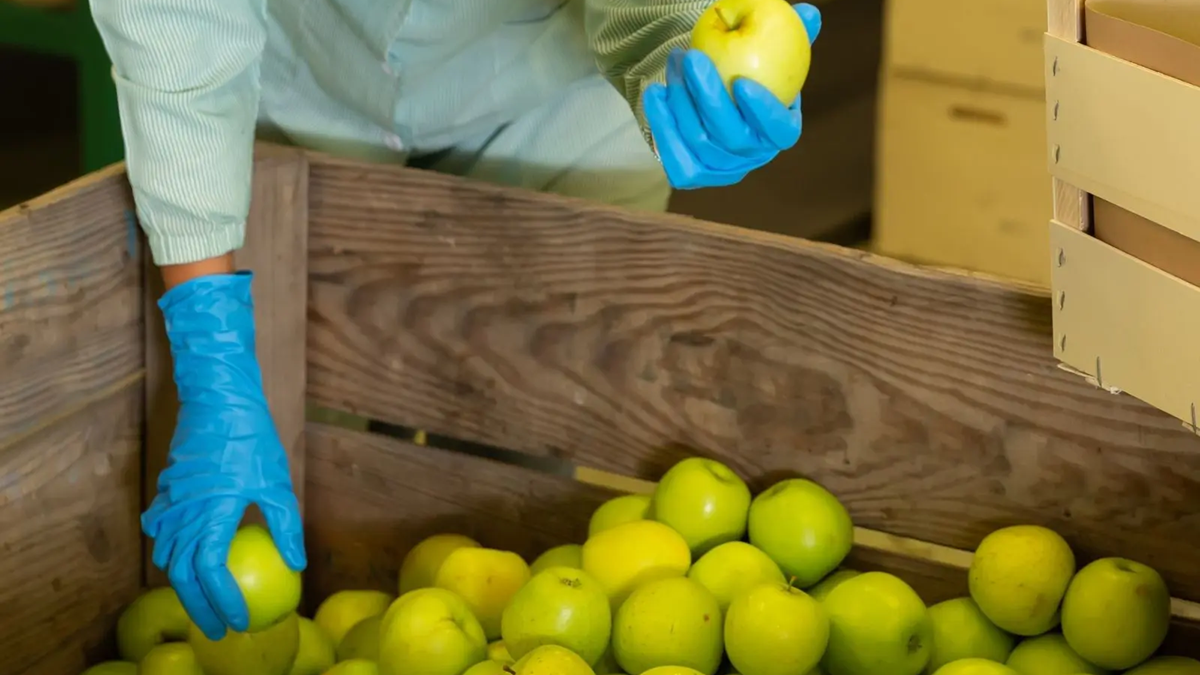
MAP extends shelf life by modifying the gas composition inside the package, but parameters must be adapted to the type of product. Whole produce typically uses low oxygen levels, between 1 and 5%, combined with moderate CO₂ concentrations to reduce respiration.
In fresh-cut produce, higher oxygen levels may be used in some cases to prevent anaerobic fermentation and reduce browning, combined with CO₂ to limit microbial growth. In addition, packaging materials must have higher permeability to accommodate the increased metabolic activity.
Controlling gas composition inside the package is a key factor for MAP effectiveness. Monitoring headspace conditions throughout the supply chain allows adjustment of storage conditions and improves quality control.
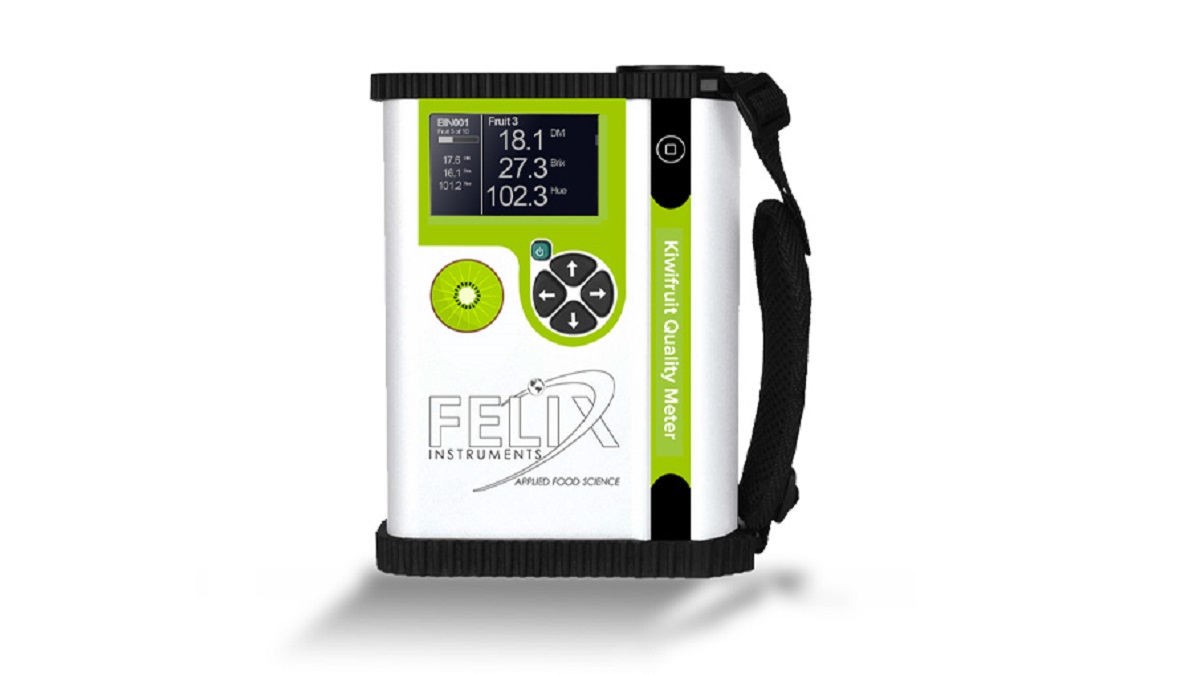
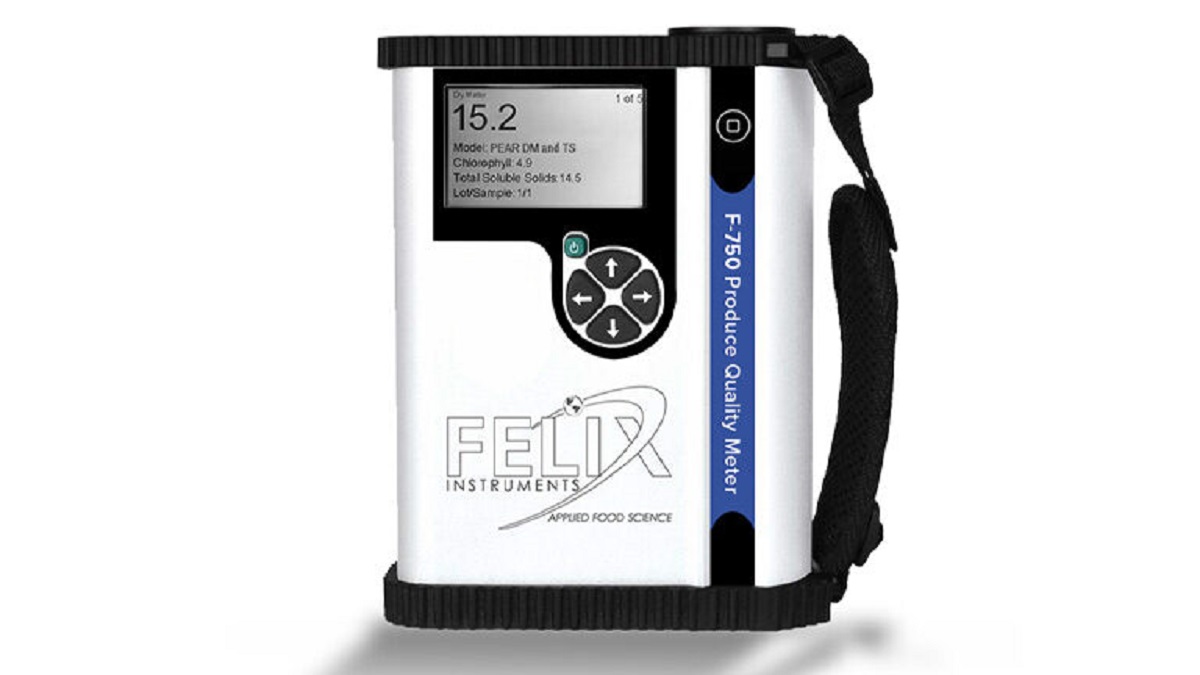
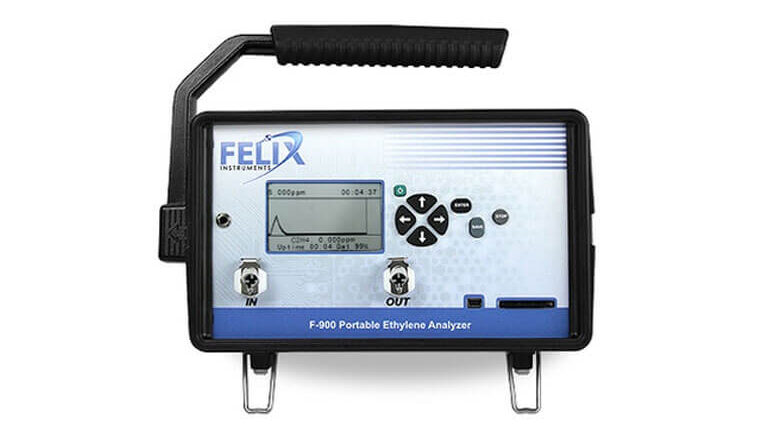
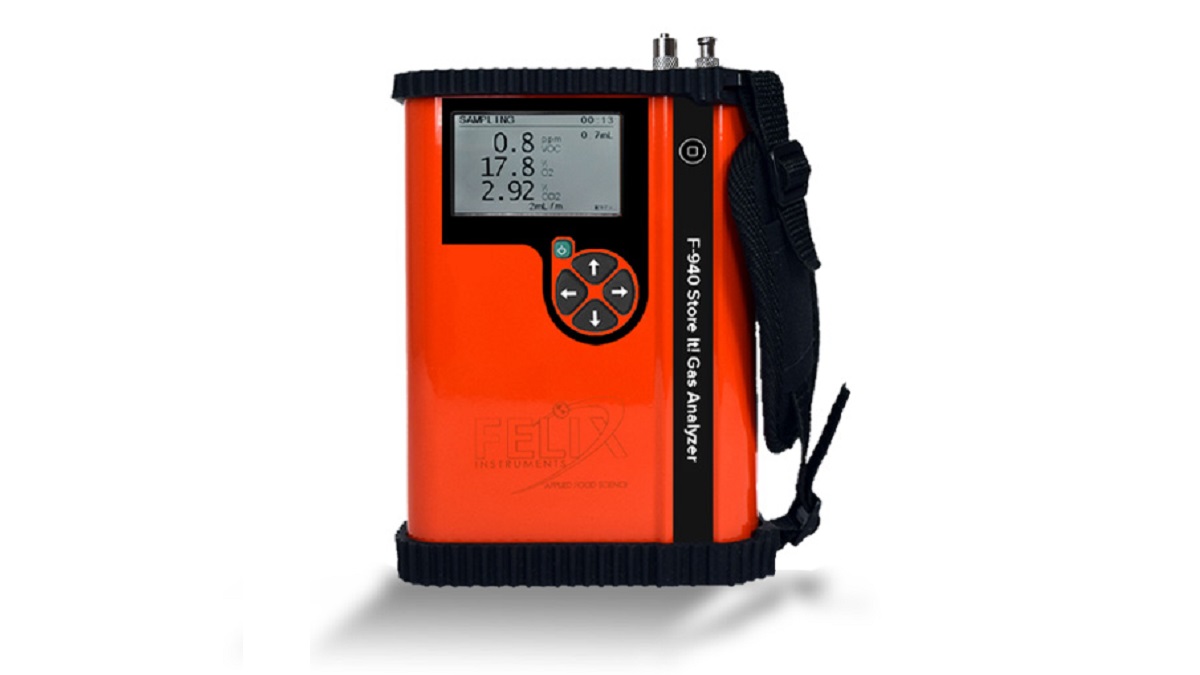
In this context, gas monitoring has become a common tool in postharvest management. Equipment such as those developed by Felix Instruments Applied Food Science enables real-time measurement of O₂ and CO₂ at different stages of the supply chain, helping verify packaging conditions and detect deviations that may affect product shelf life.
Source: Felix intruments
News of Felix Instruments