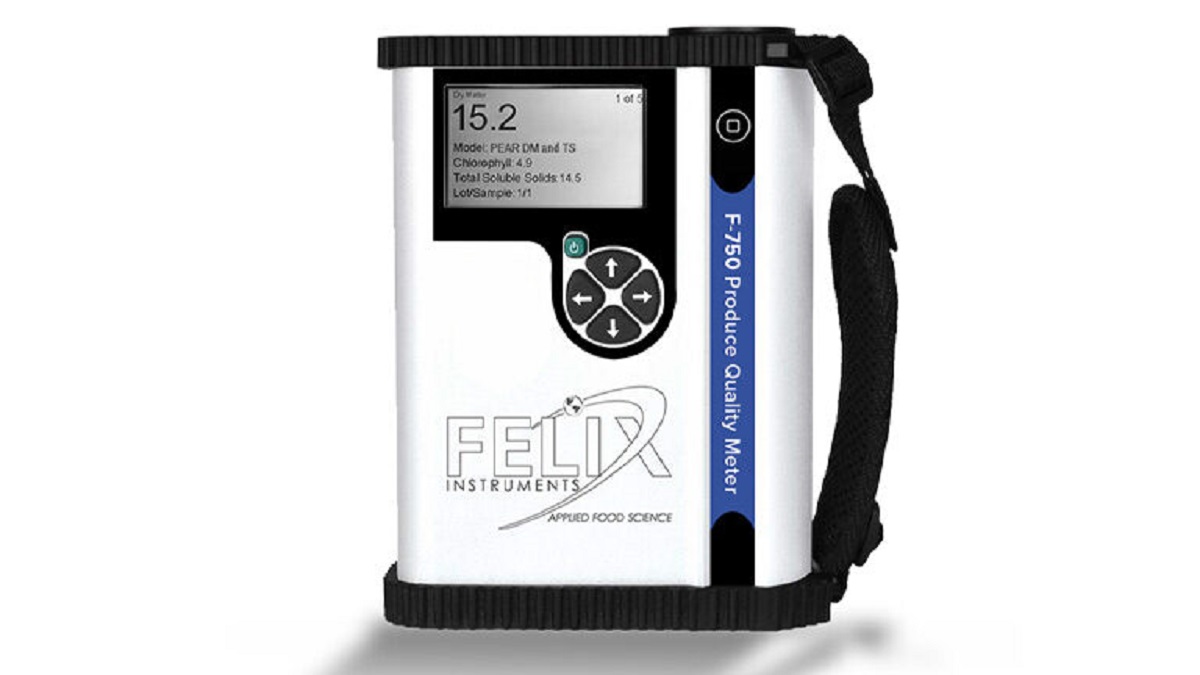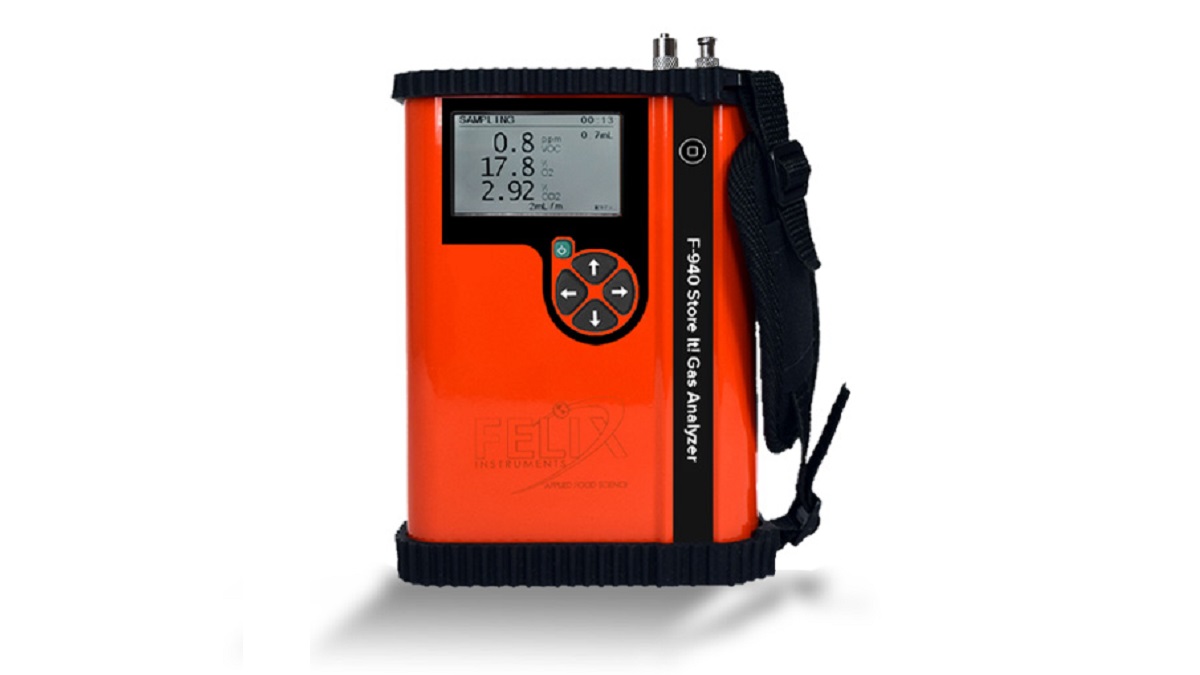

Felix Instruments
Measurements
Postharvest microbial treatments emerge as a sustainable game changer to extend fresh produce shelf life
Strategic manipulation of the fruit microbiome protects commercial quality and suppresses spoilage pathogens while meeting strict chemical residue limits
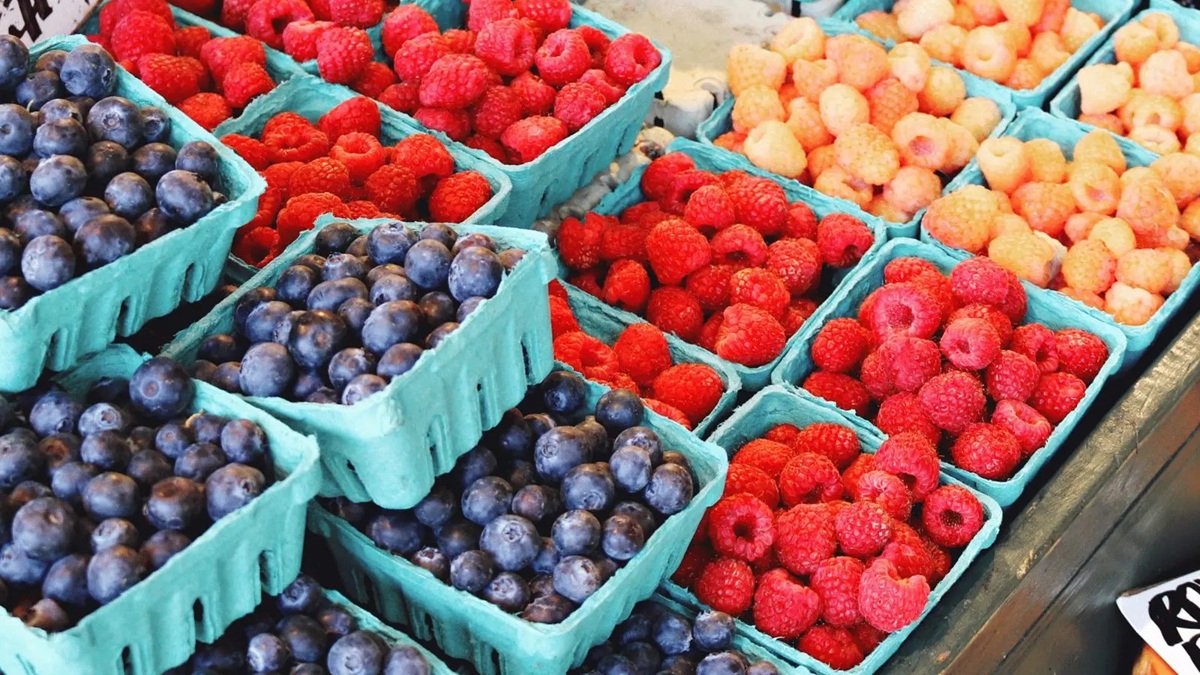
Fruits and vegetables naturally harbor a complex community of microorganisms on their surfaces, collectively known as the epiphytic microbiome. The continuous interaction between this microbial ecosystem and the host plant tissue directly dictates the rate of ripening, loss of firmness, and susceptibility to decay. According to a detailed technical analysis shared by the specialized firm Felix Instruments, managing and strategically manipulating these plant-microbe interactions is emerging as one of the most promising frontiers in modern postharvest technology to mitigate biological breakdown and sustainably extend the commercial shelf life of food crops.
Historically, standard packinghouse protocols focused heavily on the indiscriminate eradication of all microbial life using chemical sanitizers and synthetic fungicides. However, increasing regulatory pressure regarding Maximum Residue Limits (MRLs), the quick emergence of pathogen resistance to conventional chemicals, and global consumer demand for cleaner food have forced the industry to look for alternative tools. Within this scenario, introducing treatments based on beneficial microorganisms provides a preventive, eco-friendly framework that respects and enhances the natural defenses of the commodity.
Core Biological Mechanisms for Quality Preservation
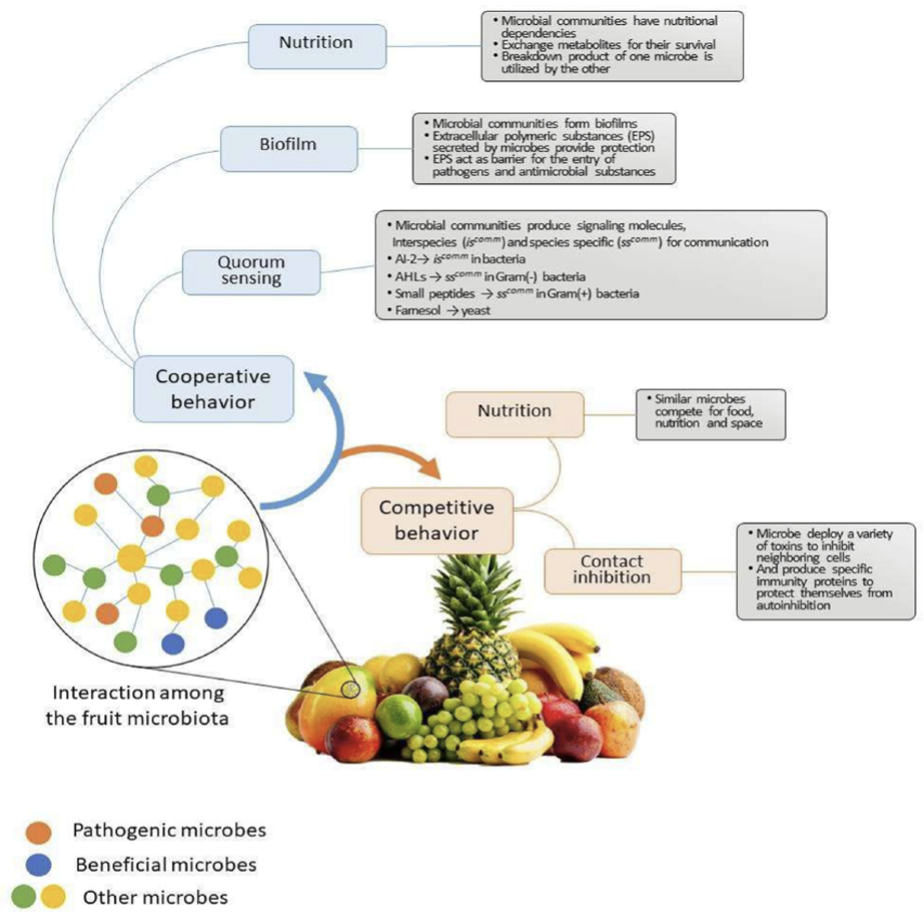
The success of these postharvest microbial treatments does not rely on violent eradication, but rather on competitive exclusion and biological reinforcement through several simultaneous pathways:
- High Competition for Space and Nutrients By rapidly colonizing the fruit surface and, more importantly, micro-wounds sustained during harvest, beneficial bacteria and yeasts consume available resources like sugars and nitrogen sources. Deprived of nutrients, the spores of destructive fungal pathogens fail to germinate and spread.
- Secretion of Antimicrobial and Volatile Compounds Specific biocontrol strains naturally secrete peptides, lipopeptides, and volatile organic compounds (VOCs) during their growth. These substances directly disrupt the cell membranes of common pathogens such as Botrytis cinerea or Penicillium, halting their development without leaving synthetic residues behind.
- Protective Biofilm Formation Selected microorganisms possess the ability to aggregate, forming a continuous protective biological film. This physical barrier seals the most vulnerable entry pathways of the tissue, shielding it from physical friction and cross-contamination during transit.
- Induced Systemic Resistance (ISR) This represents the most sophisticated and long-lasting mechanism. The presence of these biocontrol agents is detected by the fruit or vegetable receptors as a benign warning. This triggers the plant's own immune system, boosting the synthesis of host-defense enzymes (such as chitinases, glucanases, and peroxidases) and accelerating the accumulation of phenolics and lignin, which mechanically strengthens the cell walls against future decay.
Diversity of Biocontrol Agents Employed
Current commercial research focuses on specific taxonomic groups that demonstrate excellent adaptation to cold storage environments:
Antagonist Yeasts Genera such as Cryptococcus, Pichia, and Metschnikowia are widely used due to their high tolerance to osmotic stress and their ability to thrive under the low temperatures maintained inside refrigeration rooms. Spore-Forming Bacteria Strains belonging to the genus Bacillus (such as Bacillus subtilis) are highly valued commercially for their extreme stability under formulation processes and their capacity to produce a broad spectrum of antifungal metabolites.
Integration Into the Packinghouse Infrastructure
The adoption of these new biological treatments and their metabolites is not meant to completely replace existing postharvest equipment, but to work synergistically within an Integrated Crop Management scheme. These biological inoculants can be easily integrated into existing washing lines, spray application systems, commercial waxing processes, or combined with controlled atmosphere (CA) and modified atmosphere packaging (MAP).
By delaying the natural senescence of tissues and protecting critical quality attributes like firmness, original color, and juiciness, microbiome-based interventions drastically curb postharvest food loss. This allows exporters to confidently access international markets governed by strict zero-residue mandates, significantly optimizing the return on investment (ROI) for growers and packers globally.
News of Felix Instruments