
Felix Instruments
Conditioning
Mechanical damage, a major cause of postharvest quality loss
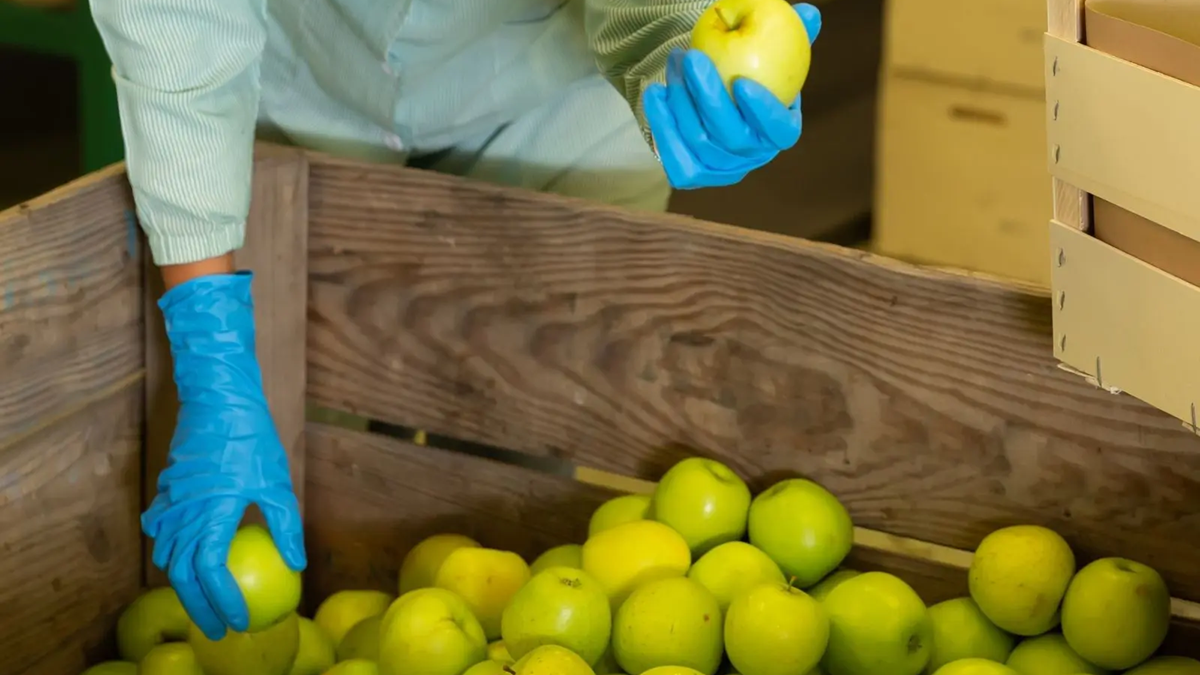
Mechanical damage is one of the most common causes of postharvest deterioration in fresh fruits and vegetables, affecting shelf life and market value
.jpg "Mechanical damage is one of the most common causes of postharvest deterioration in fresh fruits and vegetables, affecting shelf life and market value")
An article published by Felix Instruments analyzes the impact of mechanical damage on the postharvest quality of fresh fruits and vegetables, one of the most common causes of deterioration throughout the supply chain.
Mechanical damage can occur during harvesting, sorting, grading, packaging, storage, transport and distribution. Due to their high water content and fragile tissues, fresh produce is especially sensitive to impacts, compression, vibration, friction, cuts and punctures.
When physical stress exceeds the tolerance threshold of plant tissue, visible or internal damage appears, triggering physiological and biochemical changes. These include increased respiration, ethylene production, water loss, accelerated senescence, loss of firmness and changes in color, flavor or nutritional value.
In addition, wounds in the skin and tissues facilitate the entry of fungi and bacteria, increasing the risk of decay and reducing food safety.
Impacts, compression and friction
Impact damage usually occurs due to drops, knocks against rigid surfaces or collisions between fruits during harvesting, loading, unloading, sorting or transport. Its most common effects include bruising, cracks, loss of firmness, discoloration and increased respiration.
Compression occurs when an external force acts on fruits or vegetables, for example in overfilled packages, excessive stacking or poorly distributed loads. This type of damage can cause internal bruising, deformation, flattening or cracking, especially in mature products or soft-textured produce such as tomatoes or peaches.
Friction is generated when products rub against each other or against packaging surfaces or handling lines. It can cause abrasions, loss of the surface layer, dehydration and changes in the ripening process.
Punctures, vibration and cuts
Punctures occur when fresh produce comes into contact with sharp or pointed objects during harvesting, washing, trimming, sorting, packaging or transport. Even small wounds can reduce the commercial value of the product and accelerate deterioration.
Vibrations, which are common during transport, can also affect quality when they exceed certain levels or continue for long periods. This type of damage can lead to softening, color changes and loss of integrity in cell walls and membranes.
Cuts occur when fruits and vegetables come into contact with blades, sharp edges or tools during processing, trimming, selection or grading operations.
Bruising, cracks and internal damage
Bruising is one of the most frequent forms of mechanical damage. It is caused by impacts, vibration, cuts or friction during handling and transport. Although the skin may appear intact, the internal tissue is damaged and symptoms may appear hours or even days later.
This type of injury affects color, texture, flavor and nutritional content, while also reducing the economic value of the product. Tomatoes, cucumbers, peppers, apples, berries, peaches, pears, grapes, mangoes and leafy vegetables are among the products that are especially sensitive.
When physical stress is more severe, tissue collapse, perforations, cracks or breakage may occur. These forms of damage are irreversible and become entry points for pathogens, accelerating microbial infections and increasing the risk of commercial rejection.
Factors influencing deterioration
The intensity of mechanical damage depends on both external and internal factors. Environmental factors include temperature, relative humidity, light exposure and gas composition during storage and transport.
High temperatures promote respiration, transpiration, ethylene production and senescence. For this reason, maintaining low temperatures, suitable relative humidity and controlled or modified atmospheres helps limit symptom development and preserve quality.
Product-related factors also play an important role, including species, cultivar, maturity stage, tissue firmness and harvest timing. Leafy vegetables, soft fruits and products harvested at advanced maturity stages are usually more vulnerable.
Control and monitoring in the postharvest chain
Preventing mechanical damage requires action at every stage of the supply chain. Careful handling, suitable packaging, cushioning systems, correct stacking height and reduced vibration during transport are basic measures to minimize losses.
In addition, monitoring variables such as temperature, relative humidity, oxygen, carbon dioxide and ethylene makes it possible to adjust storage conditions and reduce deterioration after damage has occurred. Accurate monitoring helps maintain quality and extend the shelf life of fresh fruits and vegetables.
Reducing mechanical damage not only improves product appearance, but also helps reduce food losses, protect the economic return of producers and operators, and ensure a higher-quality supply for consumers.
Source: Felix Instruments
News of Felix Instruments