
Felix Instruments
Measurements
Physiological disorders reduce postharvest quality
The origin of some postharvest defects lies in the field
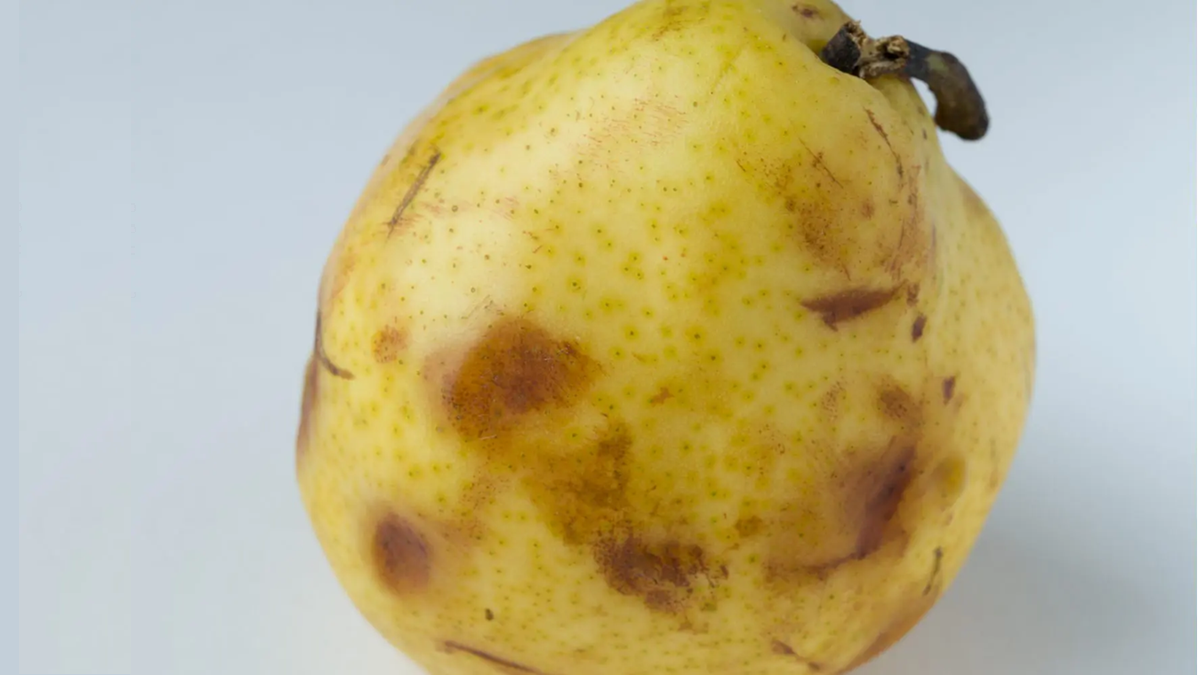
Loss of firmness, internal discoloration, or uneven ripening can occur during storage, even though the root cause lies in the field. These defects are known as postharvest physiological disorders; they can reduce the commercial value of fruits and vegetables, shorten their shelf life, and increase the risk of rejection at the destination.
A technical article by Felix Instruments explains that these disorders are alterations caused not directly by pathogens, but by the response of plant tissues to stress conditions. Variety, maturity stage, and environmental factors such as temperature, water availability, and nutrition influence the susceptibility of each product. The company cites estimates indicating that physiological disorders and pathological causes together contribute to the spoilage of nearly one-third of fresh produce that is lost or wasted.
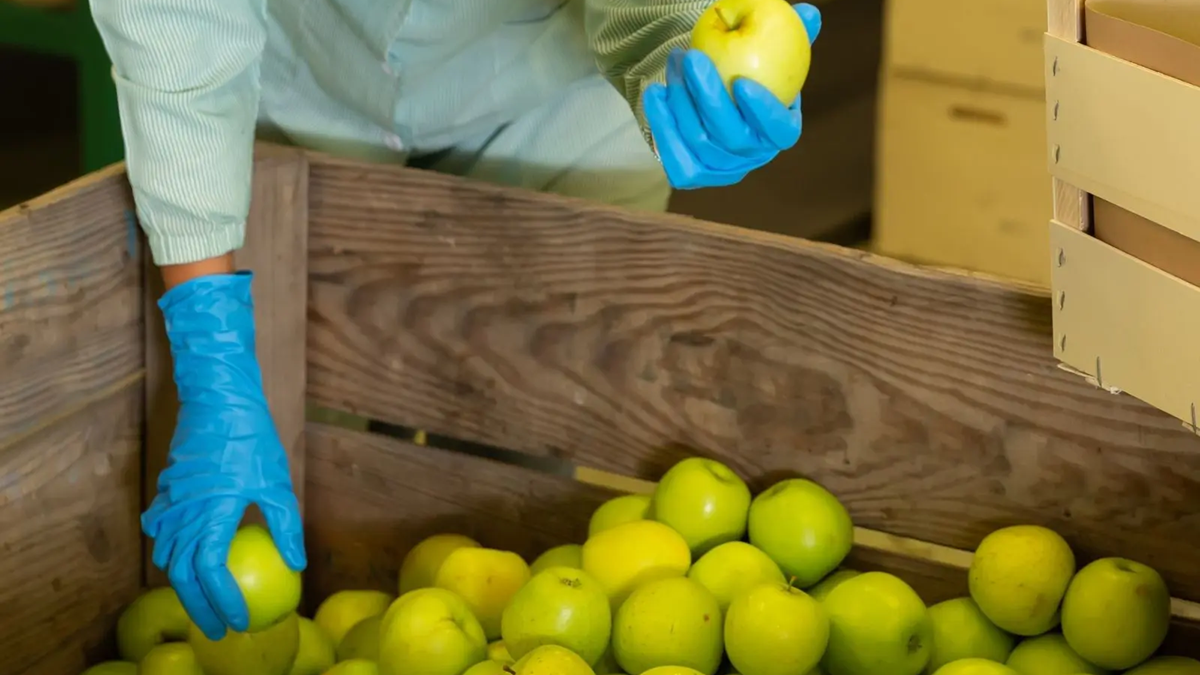
Prevention requires monitoring the entire chain, from crop development to distribution. Fruit harvested too early or too late may develop issues during storage, even when cold-room conditions remain stable. With apples, for instance, early harvesting can promote bitter pit, whereas advanced maturity may increase susceptibility to chilling injury and skin disorders.
Water and nutrient management also play a role. Irregular water availability can lead to cracking in tomatoes and lenticel damage in apples. Mineral imbalances, such as low calcium availability, are linked to softening in papayas and blossom-end rot in tomatoes. These examples illustrate why postharvest management cannot always rectify a problem that originated during cultivation.
Temperature is another critical factor. Cold storage helps preserve many products, but tropical and subtropical species can suffer chilling injury if kept below their tolerance range. Symptoms include browning, pitting, internal discoloration, texture changes, and failure to ripen properly. If the product freezes, ice crystal formation can damage cells and accelerate deterioration.
The composition of the storage atmosphere also requires control. Excessively low oxygen or high carbon dioxide levels can cause internal browning, while ethylene can accelerate or alter specific processes depending on the product. Therefore, temperature, relative humidity, and gas levels must be adjusted to the specific needs of each species and variety.
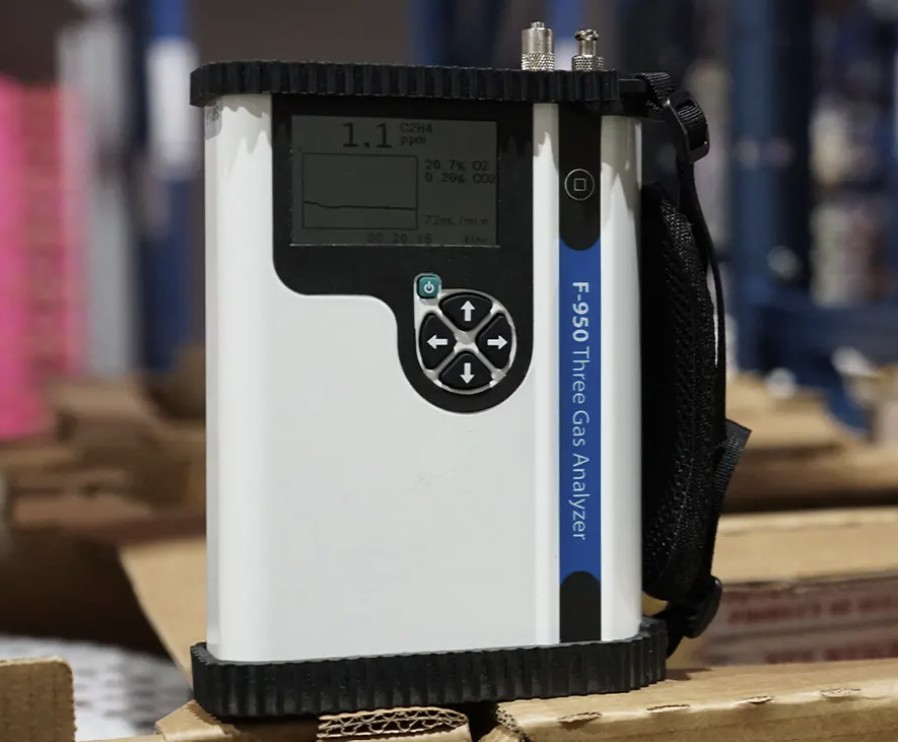
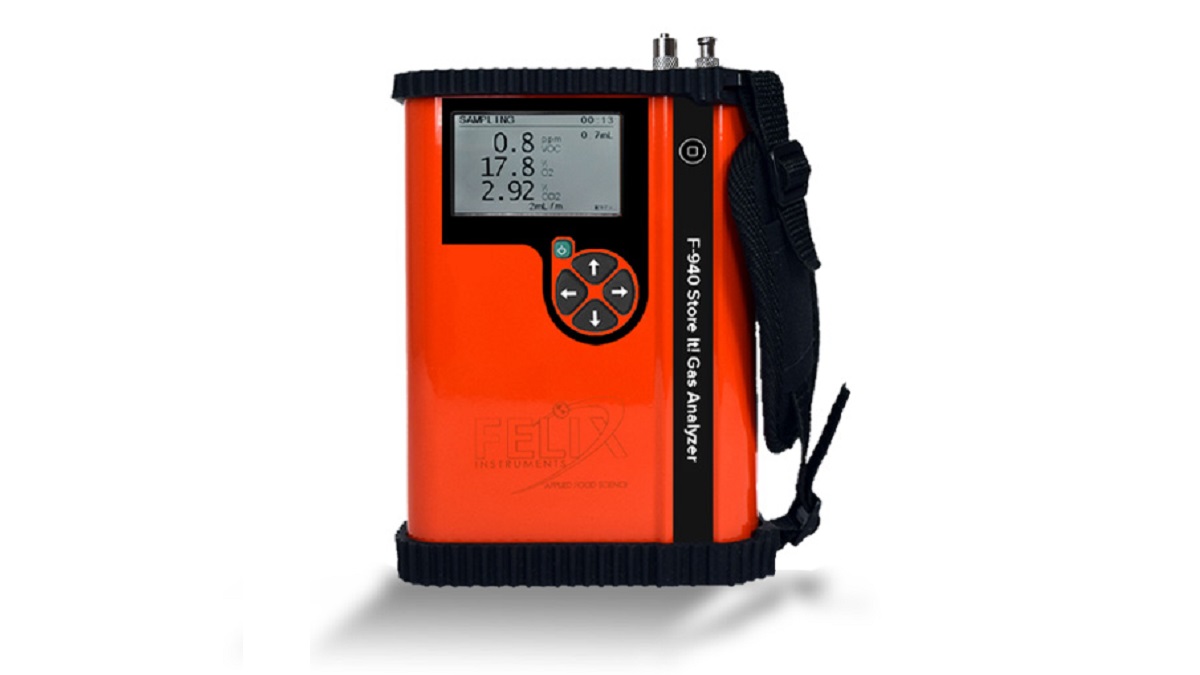
Analizador F-950 para monitorizar gases relacionados con la conservación de productos frescos.
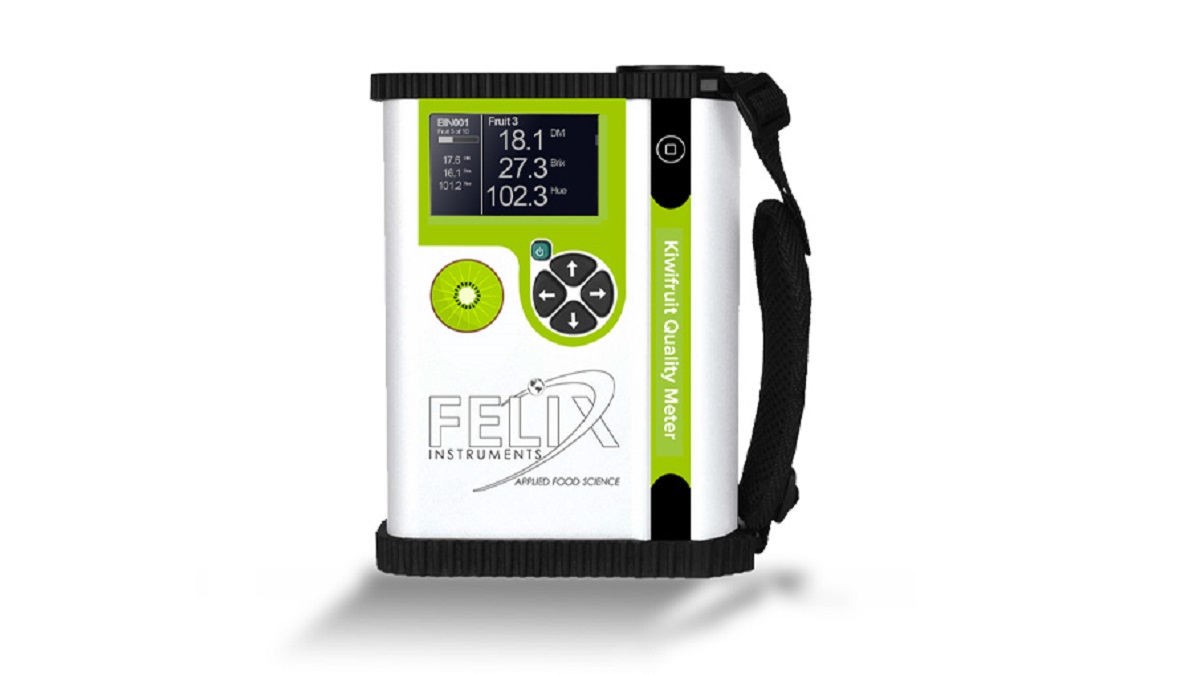
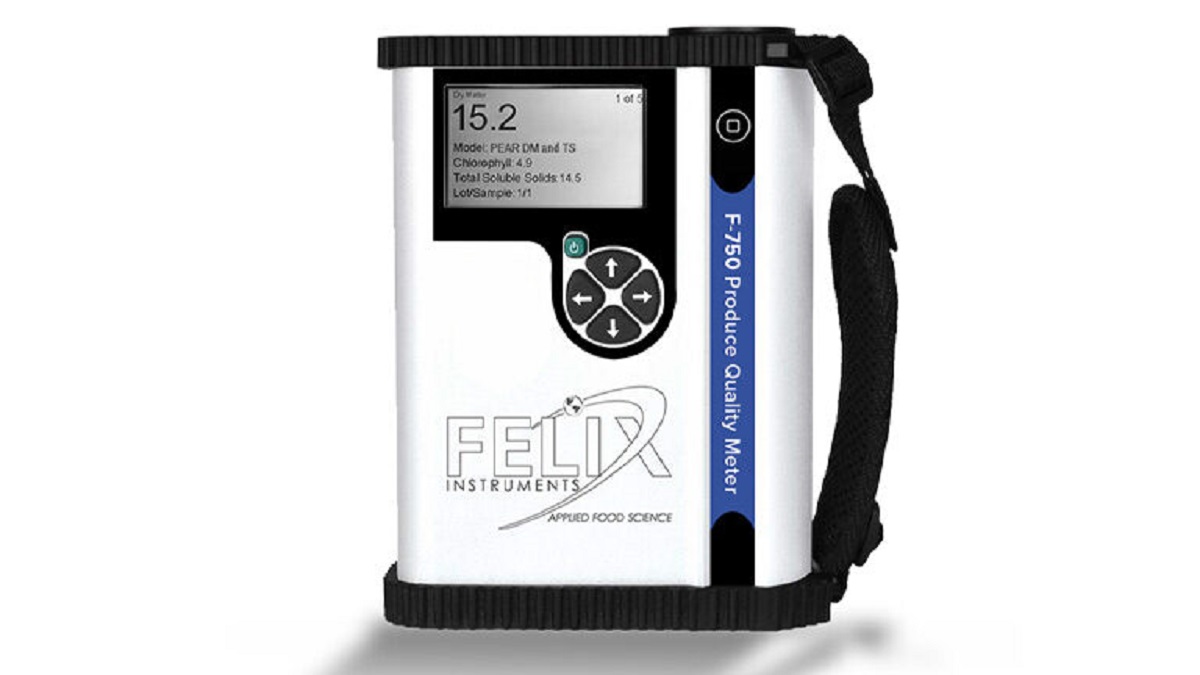
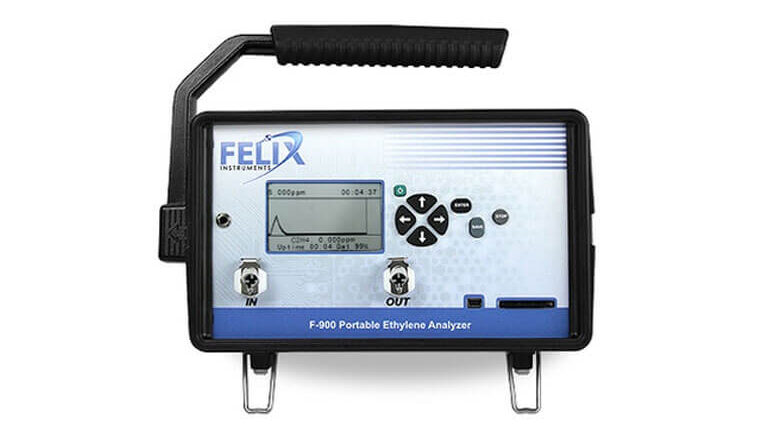
The operational response begins with the early identification of risks and the monitoring of measurable parameters. Timing the harvest correctly and ensuring careful handling, proper refrigeration, and atmospheric control can reduce the incidence of defects. Measurement tools enable the monitoring of oxygen, carbon dioxide, ethylene, temperature, and humidity, as well as the assessment of quality and maturity attributes such as soluble solids, dry matter, color, and acidity.
Felix Instruments offers equipment for performing these measurements in controlled-atmosphere chambers and for evaluating product quality. Quantitative data can help tailor storage conditions to specific batches and reduce losses, provided this information is combined with appropriate handling protocols and an understanding of the crop's sensitivity.
News of Felix Instruments