
Felix Instruments
Measurements
What affects the postharvest quality of blackberries?
Rapid cooling and modified atmospheres are key to reducing decay and preventing color-related disorders in postharvest blackberries
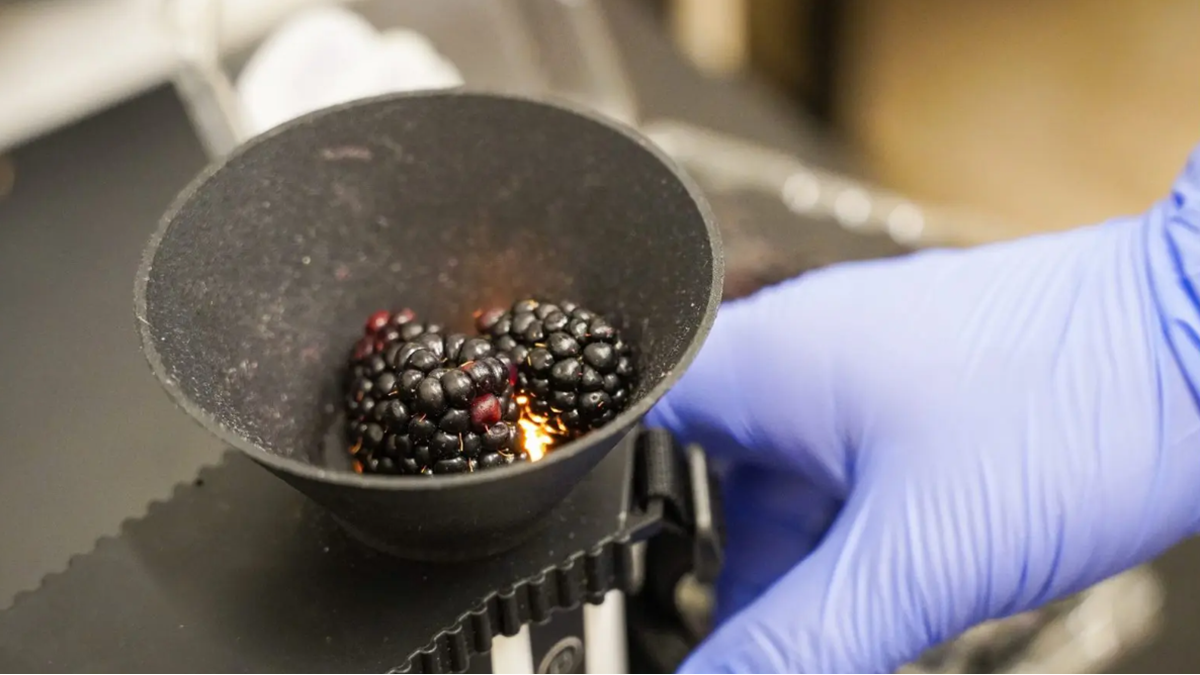
The growing global demand for berries has driven the cultivation of blackberries (Rubus spp.) at an annual rate exceeding 3%. However, Felix Instruments analyzes their high perishability and non-climacteric nature necessitate comprehensive logistics management to preserve commercial quality and prevent significant economic losses.
Key Points for Postharvest Analysis
- Non-climacteric physiology: Blackberries must be harvested at their optimal stage of ripeness, as they do not continue to ripen after harvest.
- Color disorders: "White drupelet" and "reversion to red drupelet" drastically reduce consumer acceptance.
- Strict temperature management: Staged cooling and high relative humidity (90–95%) are essential for controlling dehydration and maintaining firmness.
Physiological Nature and Main Alterations
The blackberry is an extremely delicate aggregate fruit. As a non-climacteric fruit, it exhibits a high though post-harvest declining respiration rate and lacks the autocatalytic ethylene peak characteristic of other fruits. This means that flavor, sugar, and acidity parameters are determined at the moment of manual harvest.
Reversion to Red Drupelets
A phenomenon in which black drupelets revert to a red hue after harvest. It is caused by mechanical damage during picking, as well as sudden temperature fluctuations that damage cell membranes and degrade anthocyanins.
White Drupelet Disorder
The appearance of pale spots caused by excessive exposure to solar radiation and high temperatures in the orchard, often associated with pre-harvest water stress.
Factors Affecting Commercial Quality
In addition to color changes, the sector faces issues such as weight loss due to transpiration, softening of the flesh, and juice leakage. The combination of mechanical injury and high levels of free moisture facilitates the rapid colonization of pathogens like *Botrytis cinerea*, which drastically shortens shelf life.
Conservation Strategies and the Cold Chain
To mitigate postharvest losses and meet the demands of distant markets, producers and packers employ a combination of environmental control technologies and precise analytical monitoring.

Recommended Technologies for Postharvest Handling
| Technology / Technique | Mechanism of Action | Postharvest Benefit |
|---|---|---|
| Step Cooling | Gradually reduces field heat before final storage. | Reduces thermal shock and the reversal of drupelets to red. |
| Modified Atmosphere Packaging (MAP) | Increases CO₂ (10–15%) and reduces O₂ levels inside the package. | Slows respiration and inhibits Botrytis rot development. |
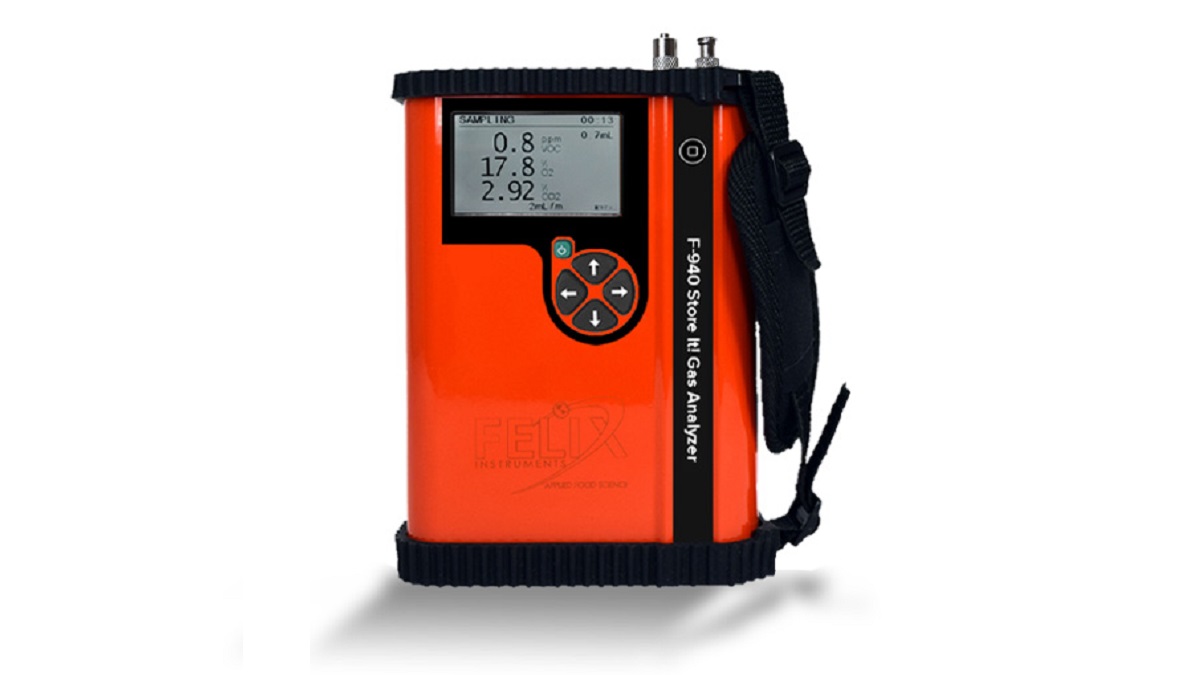
| Precision Gas Analysis | Uses portable analyzers to measure gases such as CO₂ and O₂. | Enables real-time monitoring of fruit respiration in storage rooms. |
The success of blackberry marketing lies in prevention. From careful handling during manual harvesting to avoid physical damage, to the rigorous application of the cold chain and modified atmosphere packaging, each link determines the final quality that the consumer will perceive. Support from specialized analytical instruments facilitates timely decision-making to optimize the product's shelf life.
News of Felix Instruments