Cooling and CA
Postharvest ozone treatment preserves firmness and delays softening in 'Fuyu' persimmon
Controlled exposure to gaseous ozone moderates cell-wall degrading enzyme activity and maintains tissue electrical properties during storage
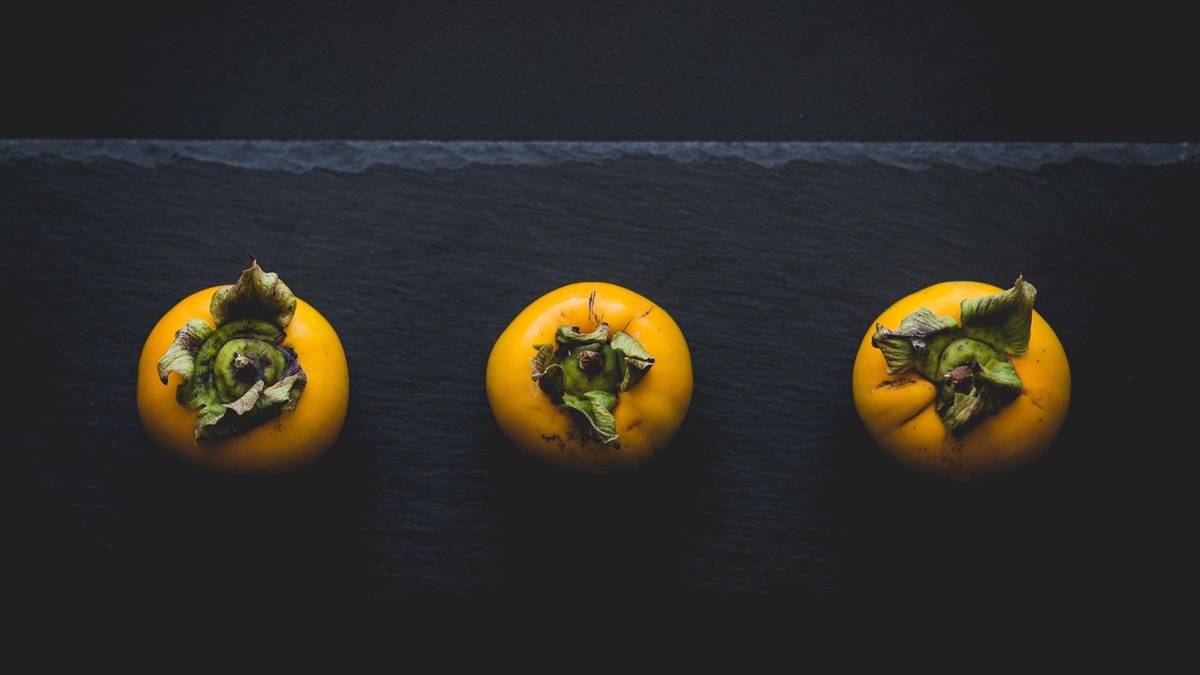
Non-astringent 'Fuyu' persimmon (Diospyros kaki Thunb.) is widely appreciated for its crisp texture and rich nutritional profile. However, as a climacteric fruit, it undergoes rapid postharvest softening that substantially reduces its shelf life and marketability. A research team from Japan and Thailand evaluated gaseous ozone application as a residue-free strategy to delay textural loss during storage.
Cell wall preservation and reduced enzymatic activity
In the trial, fruits were exposed to 50 ppm of gaseous ozone for 20 minutes and subsequently stored at 13 °C for 28 days. By the end of the storage period, ozone-treated persimmons maintained significantly higher firmness (16.11 N) compared to untreated control fruits (12.20 N).
Biochemical analyses showed that ozone treatment delayed the solubilization of pectins, which are essential structural polysaccharides for cell-to-cell adhesion. While water-soluble pectin (WSP) accumulated rapidly in control fruits, ozone-treated persimmons retained higher levels of ionically and covalently bound pectin fractions (CSP and DASP), preserving cell wall integrity. Concurrently, treated fruits exhibited lower activities of key cell-wall modifying enzymes, specifically polygalacturonase (PG), pectin methylesterase (PME), and pectate lyase (PL).
Tissue electrical assessment and delayed color development
To complement biochemical evaluations, the researchers applied electrical impedance spectroscopy (EIS), a biophysical method used to characterize structural and cellular changes in plant tissues. The impedance parameters revealed that ozone-treated fruits retained higher membrane capacitance (Cm) and extracellular resistance (Re)—reaching values 1.3-fold higher than controls at day 28—indicating better preservation of tissue structure and the extracellular ionic environment.
Furthermore, ozone exposure slowed external skin color changes and carotenoid accumulation, which remained roughly twofold lower in treated fruits than in controls at the end of storage, reflecting a broader delay in softening-related metabolic progression.
Sources
Kartika, Y., Jitareerat, P., Nakano, K., Watanabe, T., Nishizu, T., & Imaizumi, T. (2026). Postharvest ozone treatment preserves firmness and alters cell wall and tissue electrical properties in Fuyu persimmon fruit. Applied Food Research, 6, 102828. https://doi.org/10.1016/j.afres.2026.102828
Image: Pixabay https://pixabay.com/es/photos/fruta-comida-nuevo-nutrici%C3%B3n-8379081/
Related news