Services
FAO: Reducing food waste to save forests
The FAO warns that curbing food loss and waste is vital for protecting forests and mitigating climate change
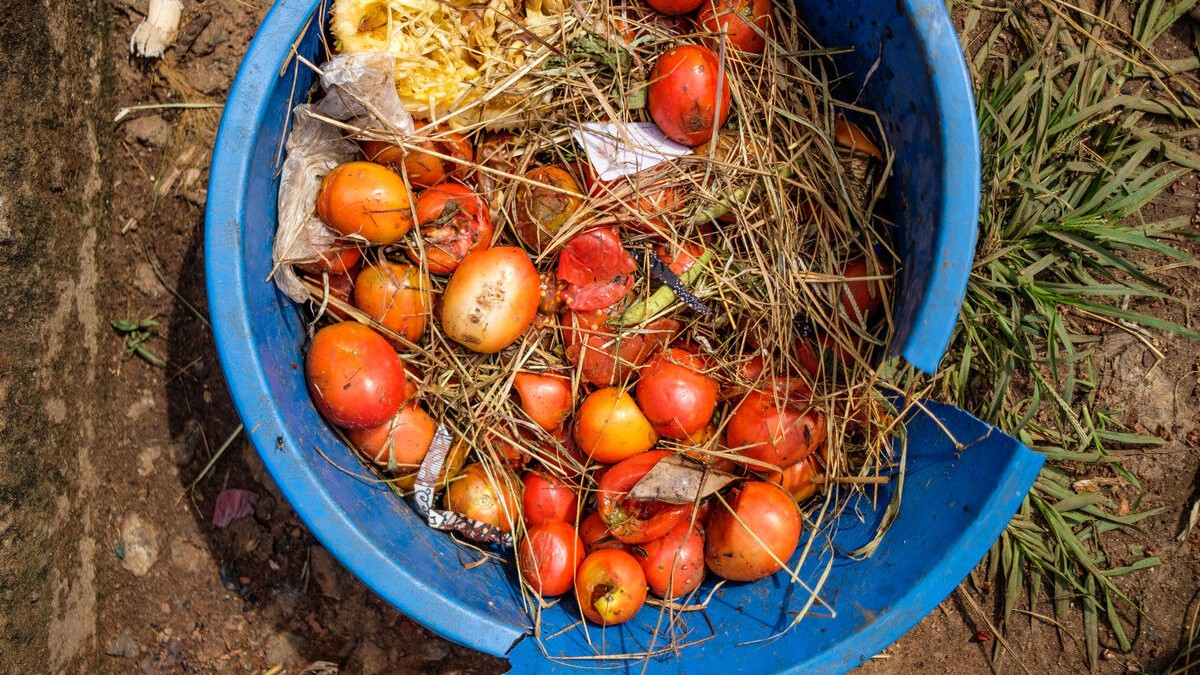
The Food and Agriculture Organization of the United Nations (FAO) warns that 13.4% of food produced globally is lost after harvest, while 19% is wasted during distribution and at the household level, urging action to curb deforestation and climate change.
During the International Day of Awareness of Food Loss and Waste marked in Rome as part of the 28th session of the Committee on Forestry (COFO28) FAO Director-General Qu Dongyu highlighted the direct link between optimizing agrifood supply chains and conserving forest ecosystems. According to updated data from the organization, reducing these losses not only improves the availability of nutrients—particularly in fruits and vegetables, which see the highest rates of loss—but also eases the pressure on the planet’s forests.
A critical impact on land and climate
The scale of the problem extends far beyond economic losses:
- Inefficient land use: An estimated 1.4 billion hectares of land are used to produce food that is ultimately never consumed. Since agricultural expansion remains the main driver of global deforestation, making better use of the food already produced would help prevent the unnecessary conversion of additional forests.
- Carbon and methane footprint: Food loss and waste generate around 10% of global greenhouse-gas emissions. When food decomposes in landfills under anaerobic conditions, it releases methane (CH₄), a short-lived but highly climate-impactful gas.
The unfinished challenge of the 2030 Agenda
Despite the international commitments made, the FAO reports that the world has shown no apparent progress in reducing food loss since 2015, moving dangerously further away from Sustainable Development Goal (SDG) Target 12.3, which seeks to halve per-capita food waste at the retail and consumer levels by 2030.
To reverse this trend, the FAO and UNEP (United Nations Environment Programme) are promoting advanced measurement initiatives, such as the new interactive Food Loss Index map, designed to improve data transparency at the regional and subregional levels.
As the FAO Director-General concluded: “To protect forests, we must transform agrifood systems; and by reducing food loss and waste, we help safeguard forests.”
Related news