Cooling and CA
Rapid cooling helps preserve postharvest quality in arugula
Hydrocooling helps maintain postharvest quality in arugula by reducing freshness loss although it does not significantly extend shelf life during refrigerated storage
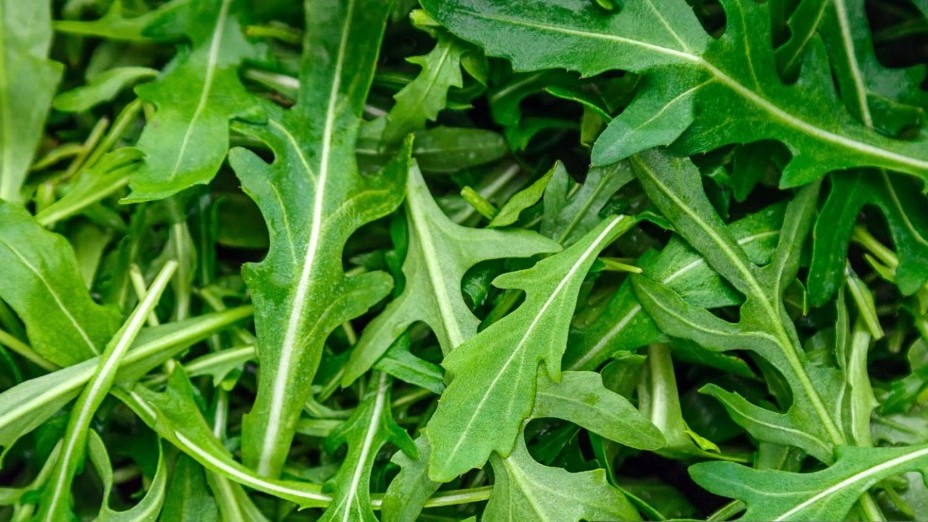
Arugula is a leafy vegetable highly valued for its nutritional properties and widespread use in salads and fresh food products. However, its high respiration rate and water loss lead to rapid postharvest deterioration, reducing commercial quality and shelf life.
A scientific study evaluated the effects of hydrocooling and refrigerated storage on postharvest arugula preservation. Hydrocooling is a rapid cooling technique that uses cold water to lower product temperature, helping reduce respiration, transpiration, and freshness loss.
Researchers analyzed parameters including visual quality, fresh leaf weight loss, and chlorophyll content during storage. Results showed that although hydrocooling helped maintain initial product quality, arugula leaves displayed commercial deterioration signs by the eighth day of storage.
Leaf weight loss reached values close to 40% across the treatments, while chlorophyll content showed differences only at the beginning of storage. The study concludes that hydrocooling contributes to preserving postharvest quality but did not significantly extend the shelf life of arugula stored at 12 °C.
Researchers emphasize the importance of continuing to develop preservation technologies capable of reducing losses and maintaining the quality of highly perishable fresh vegetables.
Source
Costa, I. A., Araújo, N. O., Souza, F. B. M., Freire, A. I., Silva, L. F., Garcia, F. H. S., Souza, G. M., Fonseca, G. G., & Silva Júnior, J. J. (2026). Efeito do hidroenfriamento sobre a qualidade pós-colheita e a vida útil da rúcula. Revista Geov.
Related news