Decco Ibérica
Phytosanitaries
DECCO Ibérica strengthens its sustainability strategy to reduce its carbon footprint
DECCO Ibérica is advancing its sustainability strategy through energy efficiency, renewable energy, sustainable mobility and process automation. The company’s action plan has the potential to reduce emissions by 201.5 tonnes of CO₂e, equivalent to 58% of its 2022 emissions
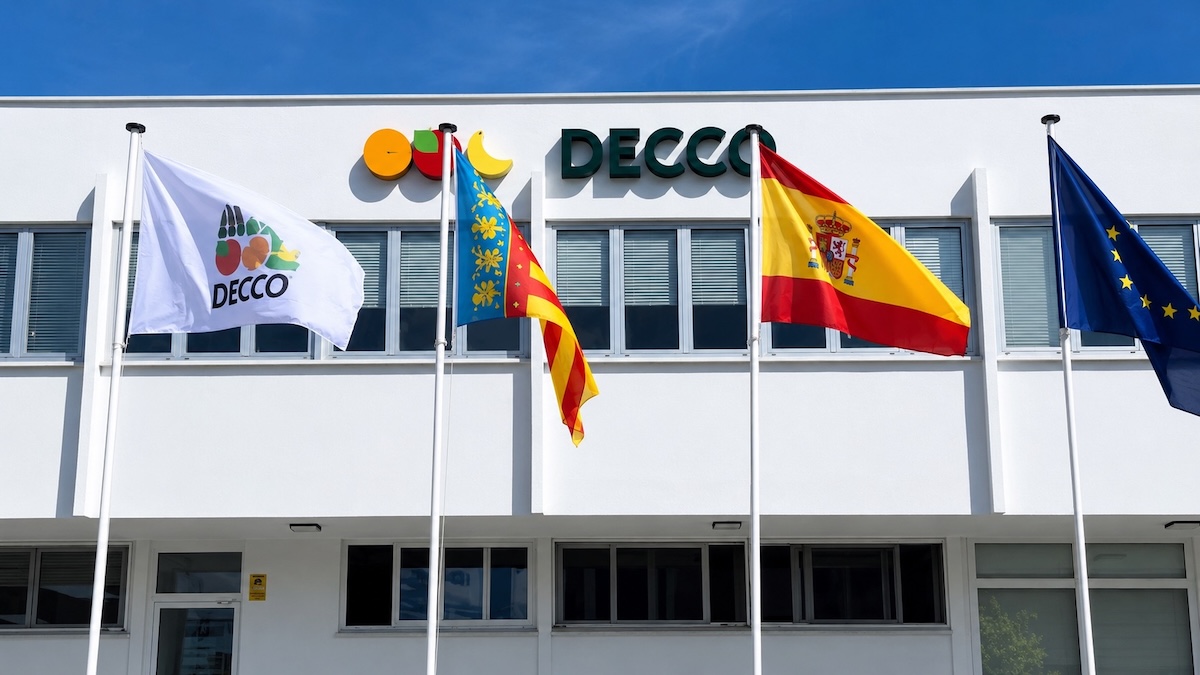
DECCO Ibérica has been calculating its carbon footprint since 2022, a process that has enabled the company to gain a more accurate understanding of the environmental impact associated with its operations and establish a roadmap aimed at progressively reducing emissions.
This analysis has become a key tool for identifying opportunities for improvement and moving towards more efficient resource management. Based on the results obtained, DECCO Ibérica has developed an action plan covering several areas, from energy consumption at its facilities to corporate mobility and the optimisation of production processes.
Energy efficiency and a commitment to renewable energy
One of the main areas of focus is energy efficiency. Measures implemented include replacing conventional lighting with LED technology and introducing energy-saving policies. The company is also assessing projects for renewable energy generation through solar photovoltaic installations.
These measures are complemented by an assessment of options for sourcing electricity from renewable sources and switching to green energy suppliers, with the aim of further reducing the environmental impact associated with energy consumption at its facilities.
Mobility and transport as another area of action
Corporate mobility is another key component of DECCO Ibérica’s emissions-reduction plan. The company has launched initiatives to encourage car sharing among employees, as well as measures aimed at optimising transport routes.
Fleet efficiency is also part of this strategy through preventive maintenance programmes designed to improve vehicle performance and reduce the impact associated with travel. In addition, DECCO Ibérica plans to progressively replace its vehicles with hybrid and electric models, moving towards lower-emission mobility alternatives.
Automation and greater efficiency in production processes
The action plan also addresses opportunities for improvement within the company’s production processes. DECCO Ibérica has identified a range of measures involving the adoption of new operational practices and technologies aimed at reducing both resource consumption and emissions associated with industrial activity.
As part of this approach, DECCO Ibérica has recently expanded its production capacity through the acquisition of a new plant in Beniparrell. At the same time, the company is moving forward with the automation of processes at both production facilities, with the aim of improving their operational and energy efficiency.
These measures form part of a strategy that combines the modernisation of production facilities with more efficient resource use, while helping to reduce the environmental impact of industrial operations.
Potential reduction of more than 200 tonnes of CO₂
Taken together, the measures included in DECCO Ibérica’s action plan represent a potential reduction of more than 200 tonnes of CO₂ equivalent. Specifically, the company estimates a reduction of 201.5 tonnes of CO₂e, equivalent to approximately 58% of the emissions recorded in the 2022 base year, when emissions totalled 346.73 tonnes of CO₂e.
This potential reduction significantly exceeds the company’s initial target, which envisaged a 25% reduction in emissions by 2027.
The results demonstrate the scale of the measures being implemented and reflect DECCO Ibérica’s commitment to continuous improvement and to developing an increasingly efficient and low-carbon business model.
A strategy extending across the entire value chain
Reducing its carbon footprint represents another step forward in DECCO Ibérica’s broader sustainability strategy. The company’s objective is not limited to reducing the environmental impact generated by its own operations; it also aims to promote increasingly responsible practices throughout the agri-food value chain.
Sustainability has become one of the main challenges, but also one of the key opportunities, facing the fresh produce sector. Against this backdrop, DECCO Ibérica Postharvest has strengthened its commitment to environmental protection by measuring and reducing its carbon footprint, while aligning its actions with the Sustainable Development Goals (SDGs).
A sustainability strategy aligned with the SDGs to reduce the environmental impact of the fresh produce sector.
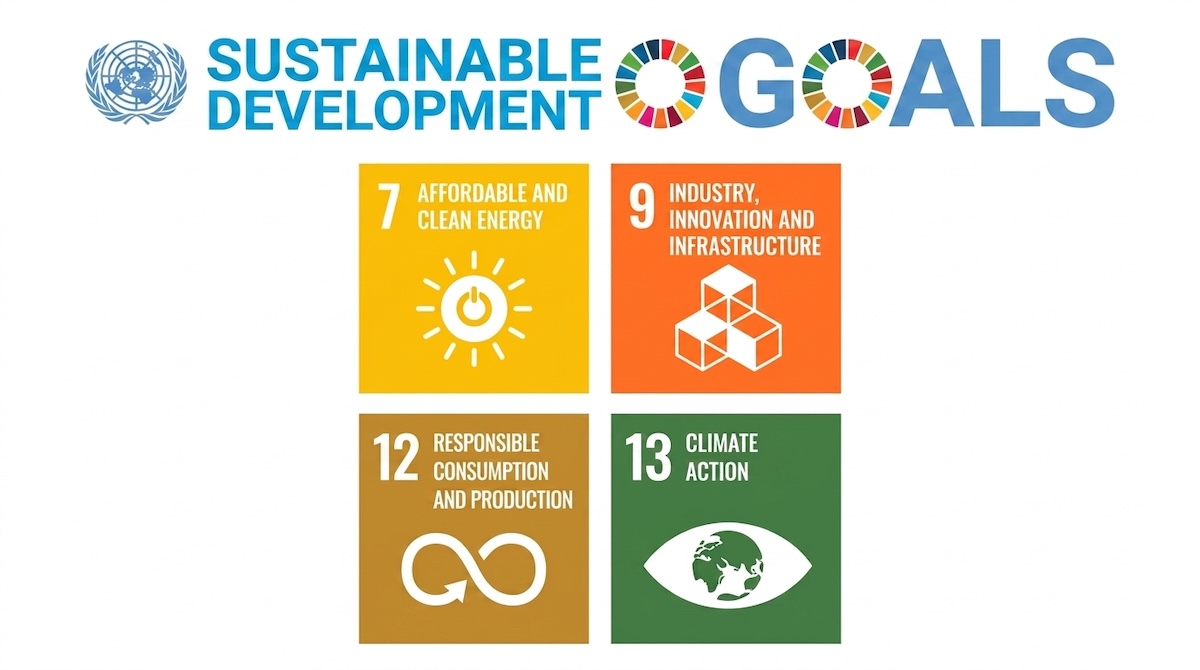
The company’s strategy is particularly aligned with SDG 7, Affordable and Clean Energy; SDG 9, Industry, Innovation and Infrastructure; SDG 12, Responsible Consumption and Production; and SDG 13, Climate Action. Its initiatives also take into account the framework and actions promoted by Spain’s Ministry for the Ecological Transition and the Demographic Challenge (MITECO).
As a company specialising in postharvest technologies and solutions, DECCO Ibérica works to help growers and marketers preserve the quality of fruit and vegetables, extend their shelf life and reduce food losses. In doing so, its activities directly contribute to the objectives related to responsible consumption and production (SDG 12) and climate action (SDG 13).
Within this broader framework, carbon footprint reduction forms part of a comprehensive sustainability vision in which innovation, operational efficiency and environmental responsibility are positioned as key pillars for addressing the present and future challenges facing the fresh produce sector.
News of Decco Ibérica