Decco Ibérica
Phytosanitaries
Storing persimmons, made easy
We explore the complexities and solutions of post-harvest persimmon handling with the help of an industry leader: DECCO Ibérica
.jpg)
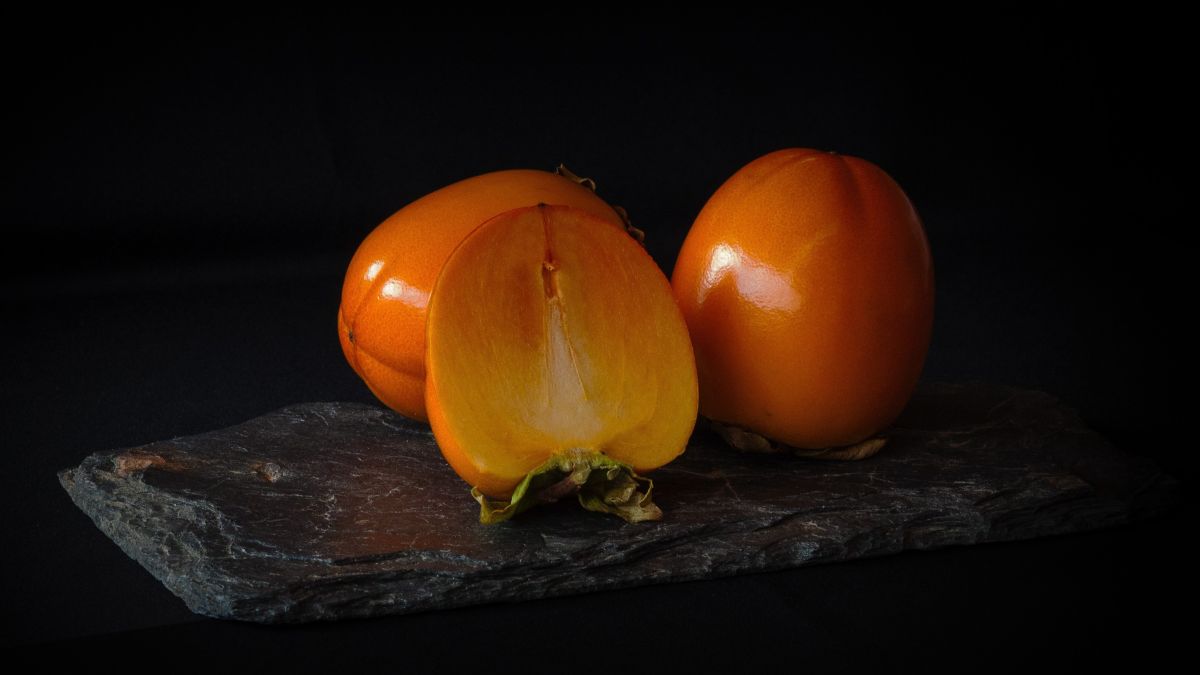
The persimmon is gradually becoming a favorite fruit in Spain. Its sweet flavor and juicy texture, along with its vibrant, eye-catching color, are making it the quintessential fall fruit, both in Spain and abroad.
Historically, its cultivation has been concentrated in regions with a temperate climate, such as the Valencian Community, Andalusia, and Catalonia; and its marketing season runs from mid-October through January.
But what about post-harvest handling? How do growers ensure the quality of the persimmon is maintained once it has been harvested?
Washing: The First Key Step
One of the first steps after the persimmons arrive at the produce distribution center is washing and disinfection to remove any debris—such as dirt and dust—from the surface of the persimmon. That’s why detergents, such as DECCO Sol Max from DECCO Ibérica, can be so useful.
DECCO Sol Max is a detergent specifically formulated to combat black mold (Aspergillus spp.), a pest that always affects persimmons alongside its other quintessential pest, the cottony cushion scale. In addition to removing dust and dirt, DECCO Sol Max reduces the concentration of sooty mold on the fruit’s surface and prepares the persimmon’s surface for disinfection.
Following washing, a disinfection process can be applied to eliminate any pathogenic or spoilage microorganisms as quickly as possible, since they could compromise the fruit’s microbiological integrity during postharvest handling.
To preserve this microbiological safety, DECCO Ibérica recommends the use of DECCO San FH, a technological adjuvant with powerful antimicrobial action: it is based on peracetic acid, which breaks down the cell membrane of pathogens (such as Legionella) through oxidation and subsequently decomposes into non-toxic substances. It is capable of preventing the formation of biofilms, which pose significant problems for certain sectors of the agri-food industry. It has a wide range of application conditions: it is effective at temperatures of 0–40°C, pH levels of 3–7.5, and can be used in spray systems, drenchers, or soaking tanks.
Furthermore, it is certified as organic, giving it an added edge in environmental sustainability—a factor consumers often value.
Storage: The Second Key Step
Once the persimmons have been washed, the producer must ensure that their microbiological integrity is maintained until they reach the consumer. Additionally, it is important to note that persimmons are climacteric fruits and will continue to ripen once picked from the tree. To control fungal growth in post-harvest storage rooms, experts at DECCO Ibérica recommend DECCO Pyr Pot, a broad-spectrum fumigant based on pyrimethanil that controls diseases such as Botrytis, Glomerella, Rhizopus, Penicillium, Monilia, and many others.
DECCO Pyr Pot works by inhibiting the extension of the fungal germ tube and blocking the lytic function of its hyphae. Finally, it also inhibits spore germination. The success of DECCO Pyr Pot lies in its ability to act at different stages of fungal development.
In this way, and with the support of DECCO Ibérica, we can ensure that all the effort invested in our persimmons pays off thanks to a trouble-free postharvest life.
News of Decco Ibérica