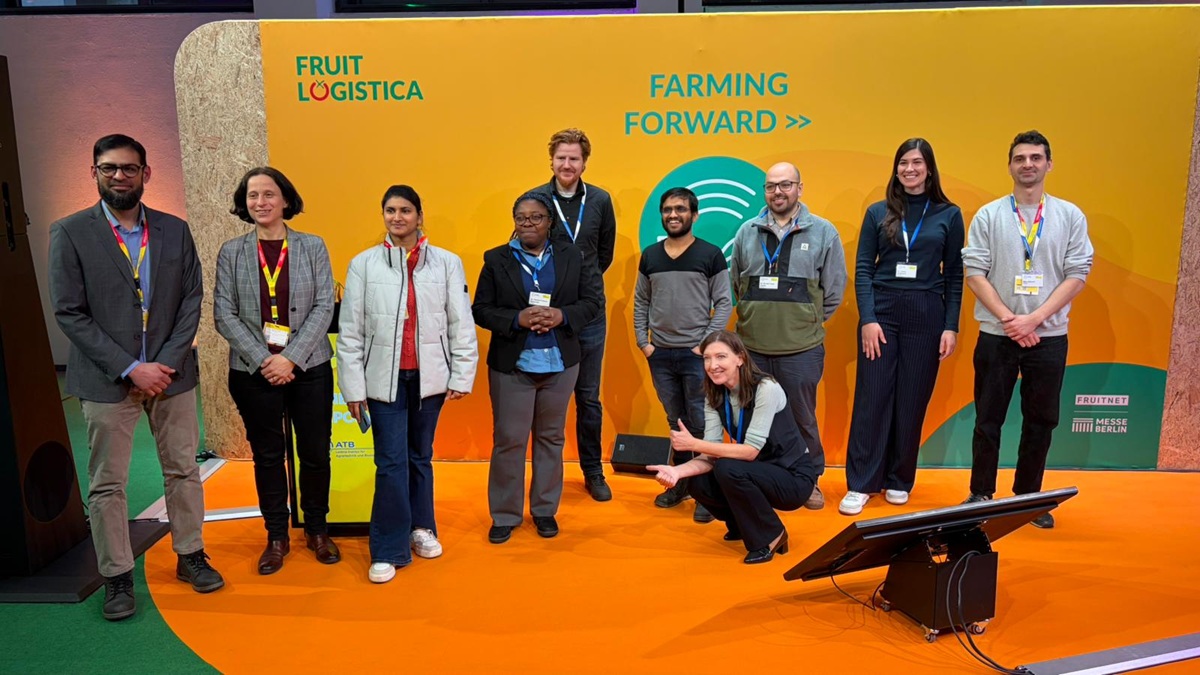
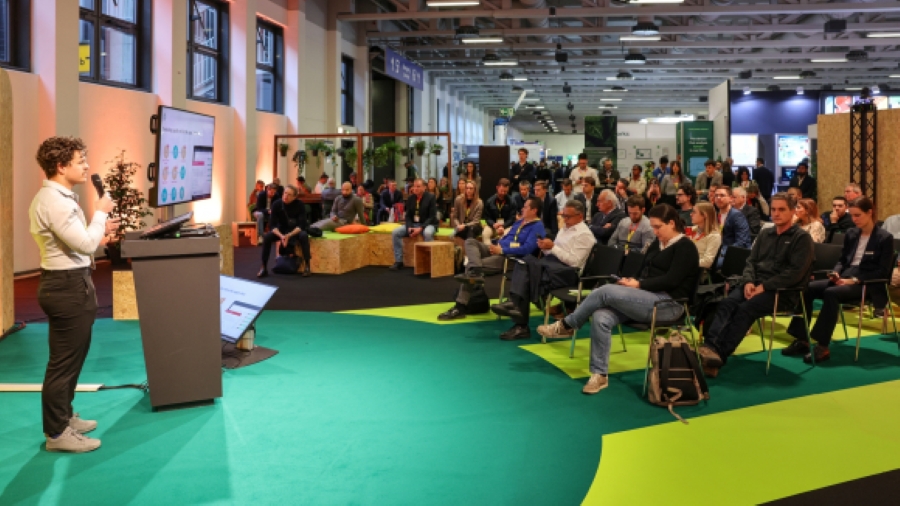
On Friday, February 6, 2026, Fruit Logistica once again confirmed its role as a key meeting point between science, technology and industry with the celebration of the FRUTIC Science Symposium, one of the most relevant events of the Berlin trade fair in terms of applied research, digitalisation and new technologies for horticultural production and postharvest management.
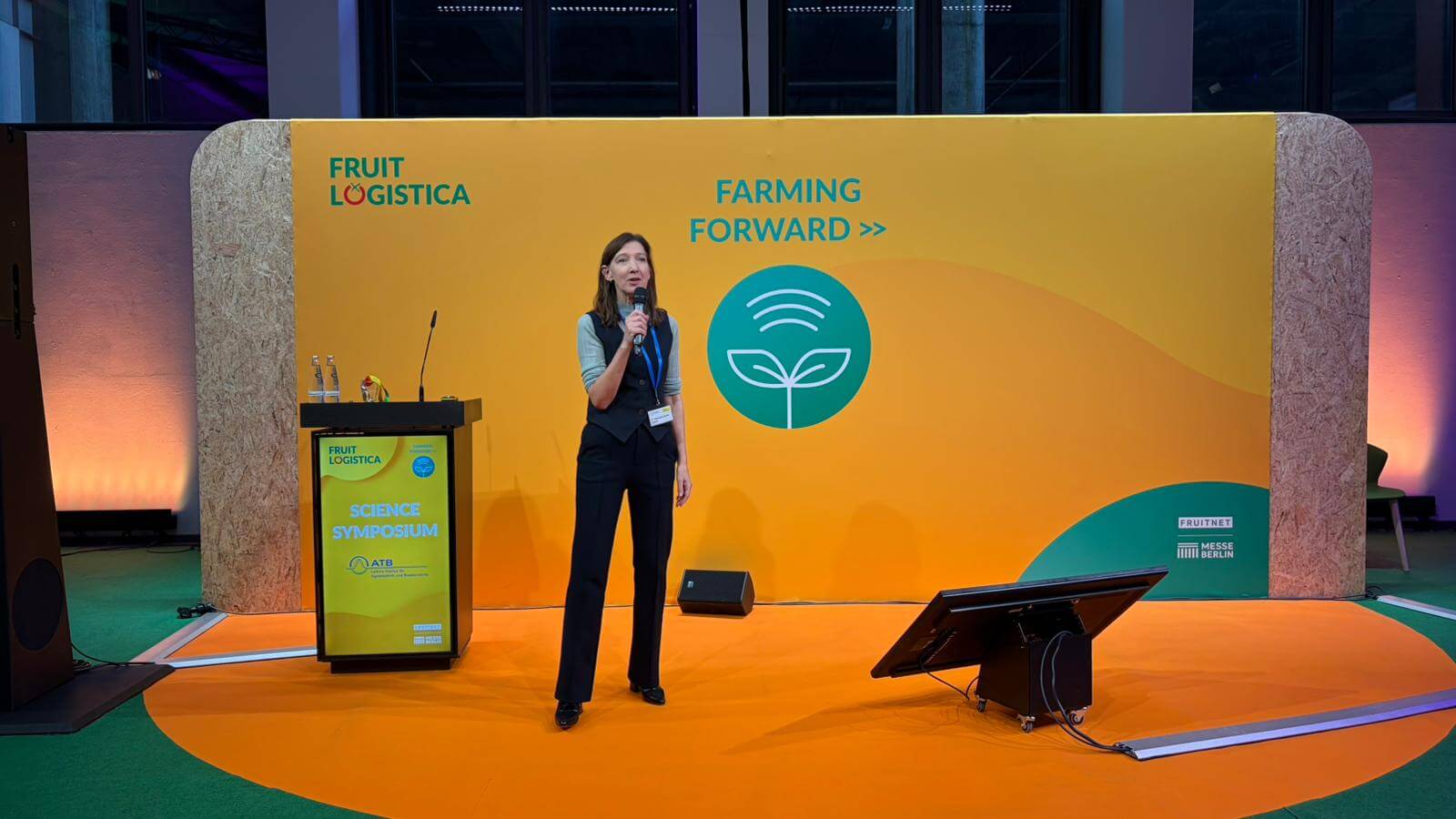
The symposium took place on the Farming Forward stage at Messe Berlin and was jointly organised by Fruit Logistica and the Leibniz Institute for Agricultural Engineering and Bioeconomy (ATB), under the scientific coordination of Manuela Zude-Sasse, one of Europe’s leading researchers in postharvest physiology, sensor technologies and fruit quality.
Applied science, sensing technologies and postharvest as core pillars
Throughout the day, an intensive technical programme was delivered, structured into several thematic sessions addressing topics ranging from early detection of water stress and phenological development using sensors, to the application of artificial intelligence, hyperspectral imaging and predictive models to support decision-making both in the field and during storage.
Postharvest technologies played a particularly prominent role, with presentations focused on dynamic controlled atmosphere storage, the use of ethanol to extend fruit shelf life, non-destructive maturity classification using NIR spectroscopy, and new sensor platforms for cold storage optimisation. All contributions were clearly oriented towards technological transfer and future industrial implementation.
The dynamic format of the symposium, combining full-length lectures with five-minute pitch presentations, offered a broad overview of ongoing research lines at leading research centres across Europe, the Americas and Asia, reinforcing the international and multidisciplinary character of the event.
Research aligned with real challenges facing the sector
One of the most highly valued aspects of the FRUTIC Science Symposium was its strong connection with the current challenges facing the horticultural sector: water scarcity, energy efficiency, automation, internal quality assessment, postharvest loss reduction and climate change adaptation. The research presented demonstrated how the integration of advanced sensors, physiological modelling and digital tools can significantly improve decision-making at both farm and packinghouse levels.
The event once again highlighted the strategic role of applied science as a foundation for robust innovation, particularly in a context marked by increasing regulatory pressure, sustainability requirements and the need for greater production efficiency.
An almost complete programme despite travel disruptions
Despite logistical difficulties caused by adverse weather conditions and flight cancellations at Berlin airport, the symposium was able to proceed almost in its entirety, maintaining the expected scientific standard. While a small number of speakers were unable to attend in person, the overall programme was delivered successfully, reflecting the strong commitment of both the organisers and the participating scientific community.
The FRUTIC Science Symposium is thus firmly established as a must-attend event within Fruit Logistica for understanding where research in horticultural production and postharvest technology is heading, and how this knowledge can be translated into practical solutions for the sector.