News
PAW and alternative nitrogen inputs to improve nutritional quality of hydroponic lettuce
Aryanis Mutia Zahra et al. demonstrated synergistic effects with PAW, plasma activated water, and MPH, milk protein hydrolysate, by stimulting the synthesis and retention of key bioactive compounds, resulting in enriched total phenolic and total flavonoid contents and greater antioxidant capacity
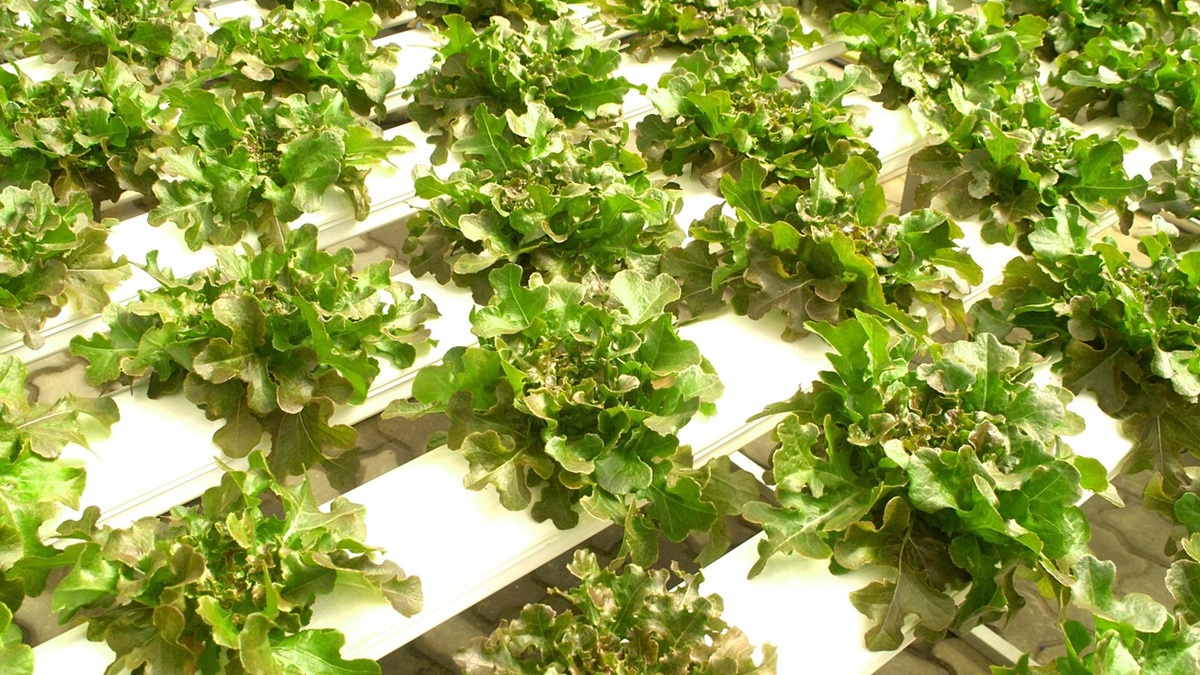
The application of plasma-activated water and biostimulants offers a sustainable approach to supporting plant growth under reduced-nutrient conditions by supplying bioavailable nitrogen.
This study investigated the growth and postharvest performance of hydroponically grown cos lettuce (Lactuca sativa L.) supplied with three Hoagland-based nutrient treatments:
- half-strength solution prepared with tap water (HS),
- half-strength solution with plasma-activated water (HS+PAW), and
- half-strength solution with plasma-activated water containing 1 mL L−1 milk protein hydrolysate (HS+PAW+MPH).
Results
Plants treated with PAW, particularly those in the HS+PAW+MPH, exhibited increases in growth, biomass accumulation, and mineral composition, with reduced nitrate content compared to controls.
At harvest, lettuce under HS+PAW+MPH exhibited nearly double fresh yield and enhanced dry matter, protein, lipid, phenolic, and flavonoid profiles as well as increased antioxidant capacity, indicating improved nitrogen utilization and nutritional quality under reduced nutrient input.
Postharvest quality
Postharvest quality was evaluated by packing samples in polypropylene bags and storing them at 10 ± 1 °C and 95–98% relative humidity for 21 days.
The HS+PAW+MPH treatment substantially suppressed respiration and production of ethylene, limited weight loss and color change, and better preserved pigments, bioactive compounds, and antioxidant stability compared to HS and HS+PAW, indicating HS+PAW+MPH as a sustainable nutrient management approach for hydroponic systems.
1. Introduction
Lettuce (Lactuca sativa L.) is among the world’s most widely consumed leafy vegetables, reflecting both global dietary trends and its considerable economic importance [1,2].
This crop is valued for its high nutritional content, serving as a notable source of fiber, vitamins, minerals, and phytochemicals, such as phenolics and flavonoids, that are associated with protective roles in plant physiology and human health [1,3,4,5].
The growing shift toward health-conscious diets and the popularity of ready-to-eat salads have increased demand for lettuce, as its combination of low caloric value, rich micronutrient profile, and wide range of colors and textures aligns well with global consumer preferences [2,6].
Advantages of hydroponic lettuce production
In cultivation systems, hydroponic production offers advantages for lettuce by enabling year-round production and providing a consistent supply of high-quality produce [7,8].
Research has demonstrated that hydroponic lettuce benefits from a shortened growing cycle that reduces transplanting days by up to 25 percent, achieves superior water use efficiency, with up to 65 percent less water consumed, and offers space optimization, with production yields increasing by as much as 50 percent [9,10].
Additionally, closed hydroponic systems minimize the need for fertilizers, allow for precise nutrient delivery while reducing nitrogen losses, and result in consistently high nutritional content, including enhanced protein, fiber, bioactive compounds, antioxidant capacity, and improved texture attributes [9,10,11].
These strengths position hydroponically grown lettuce as an exemplary model for sustainable urban agriculture, harnessing advanced technology to support food security and environmental stewardship as global populations and resource constraints continue to rise [7,8].
Challlenges of hydroponic lettuce cultivation
Despite the advantages of hydroponic lettuce cultivation, several persistent challenges remain regarding sustainability, food security, and product quality.
Nutrient management remains a critical hurdle, as the increasing demand for vegetables has driven extensive farming practices that often lead to inefficiency and environmental concerns due to excessive or unbalanced use of chemical fertilizers, especially when nitrate accumulates in the edible portions of lettuce, when nitrogen is lost through volatilization and nitrogen oxide emissions, or when nitrates leach into groundwater, with consequences for both food safety and environmental quality [2,12].
Although nitrates themselves are not toxic, their metabolites, such as nitrites and reactive nitrogen intermediates, can pose health risks, and the consumption of fresh leafy vegetables increases dietary intake of these compounds [12].
Additionally, lettuce is a highly perishable crop, with rapid postharvest deterioration that causes significant economic losses and contributes to food waste throughout the supply chain [2,13].
Environmental conditions during preharvest, including temperature extremes, fluctuations in humidity, and suboptimal light levels, further limit consistent production [2,13,14].
These stressors can impair nutrient uptake, reduce growth and yield, induce physiological disorders such as tip burn, and negatively affect the accumulation of secondary metabolites, which are factors that are vital for both plant resilience and nutritional quality [2,14].
Need for innovative strategies
These interconnected challenges highlight the urgent need for innovative and sustainable interventions, and the application of plasma-activated water, together with supplementation with plant biostimulants, offers a promising strategy for improved nutrient management in hydroponic lettuce cultivation [15].
Developing innovative nutrient management strategies in hydroponic systems can reduce the dependency on fertilizer and support lettuce production while maintaining yield, promoting the accumulation of bioactive compounds, and minimizing postharvest losses [15,16,17].
Recent research has identified bio-based technologies such as protein hydrolysates (PHs) and plasma-activated water (PAW) as promising tools for improving nitrogen cycling in hydroponic systems [18,19].
Protein hydrolysates
PHs derived from both vegetal and animal proteins have demonstrated remarkable potential as effective plant biostimulants, fundamentally differing from traditional fertilizers and pesticides by stimulating natural plant processes and enhancing physiological responses rather than merely providing direct nutrient supplementation or targeting pests and diseases [17,18,20,21].
PHs are also known:
- to modulate hormone-like activities,
- promote root development,
- regulate nitrogen assimilation enzymes,
- improve nitrogen use efficiency,
- support mineral biofortification,
- induce phenolic biosynthesis, and
- enhance antioxidant capacity.
All of which contribute to better growth, yield, and quality, while strengthening stress resilience in lettuce and other crops [17,21,22,23].
Plasma-activated water
PAW is formed by exposing water to cold plasma, resulting in a mixture of long-lived reactive oxygen and nitrogen species (RONS), such as hydrogen peroxide, nitrate, and nitrite, that in turn alter the physicochemical properties of water by:
- lowering the pH,
- increasing the oxidation-reduction potential (ORP), and
- raising electrical conductivity (EC) [19,24,25].
PAW treatments have been shown to improve growth rates, chlorophyll content, and antioxidant activity, especially at optimal concentrations of nitrate-rich nutrients [19,24].
However, PAW does not consistently outperform conventional nutrient solutions when used alone, particularly under a reduced nutrient supply [15,26,27].
Previous studies have investigated protein hydrolysates and plasma-activated water as independent treatments [16,19,28], and there is limited mechanistic understanding of their synergistic effects when combined as nitrogen-supplementing nutrient solutions, particularly regarding their influence on the quality of hydroponically grown lettuce at harvest and after cold storage.
To date, to the best of our knowledge, only one report has demonstrated that combining PAW and a seaweed biostimulant enhanced nitrogen-related metabolic activity and the expression levels of stress genes in tomato under drought stress [15].
To address this knowledge gap, the present study introduces a novel approach by integrating plasma-activated water and milk-derived protein hydrolysate (MPH) as an advanced nitrogen management solution for hydroponically grown Cos lettuce, using a scaled-up greenhouse experiment.
This study systematically examines the combined effects of PAW and MPH under a low nutrient supply, evaluating lettuce growth, yield, proximate and mineral composition at harvest, and physiological changes during storage, including ethylene production, respiration rate, pigment content, weight loss, color, phenolic and flavonoid profiles, and antioxidant capacity.
Ultimately, this work provides actionable insights for advancing sustainable nitrogen management and environmentally friendly hydroponic practices, enabling the production of nutritionally enriched crops through circular resource use and innovative biostimulant strategies.
Contents
2. Materials and Methods
2.1. Lettuce Hydroponic Cultivation
2.2. Growth Measurements and Post-Harvest Handling Conditions
2.3. Proximate Composition Analysis
2.4. Determination of Mineral Composition
2.5. Determination of Ethylene Production and Respiration Rate
2.6. Determination of Pigment Contents
2.7. Measurement of Weight Loss and Color Attributes
2.8. Determination of Total Phenolic and Total Flavonoid Contents
2.9. Profiling of Individual Phenolic and Flavonoid Compounds
2.10. Determination of Total Antioxidant Capacity
2.11. Statistical Analysis
3. Results
3.1. Growth Performance and Morphological Traits of Harvested Lettuce
3.2. Proximate Composition of Lettuce
3.3. Soluble Nitrate Content and Mineral Composition of Lettuce
3.4. Ethylene Production and Respiration Rate of Lettuce
3.5. PAW and MPH Retain Pigmentation During Postharvest Storage of Lettuce
3.6. Effects of PAW and MPH on Weight Loss and Color Changes in Lettuce
3.7. The Contents of Total Phenolic and Total Flavonoid and Its Profiles
3.8. Total Antioxidant Capacity
3.9. Principal Component Analyses (PCA)
4. Discussion
5. Conclusions
Supplementing half-strength hydroponic nutrient solutions with plasma-activated water and milk protein hydrolysate markedly increased plant height, root length, canopy area, and total fresh yield compared with the controls, while also enhancing dry matter, protein, fat, ash, fiber, and mineral contents and simultaneously reducing tissue nitrate accumulation.
These outcomes highlight the potential of plasma-activated water and biostimulants as alternative nutrient sources that enhance nitrogen assimilation, thereby improving product safety and nutritive quality.
Notably, the plasma-activated water and milk protein hydrolysate effectively stimulated the synthesis and retention of key bioactive compounds, resulting in enriched total phenolic and total flavonoid contents and antioxidant capacity.
In addition, the treatment reduced respiration and ethylene production, mitigated physiological deterioration and weight loss, and better preserved visual, nutritional, and functional quality during cold storage.
The synergistic effects observed with PAW and MPH provide compelling evidence for their role as sustainable biostimulants, supporting high crop productivity and improved storability under reduced nutrient input.
This indicates that treatment combining plasma-activated water and milk protein hydrolysate is an innovative and eco-friendly nutrient management approach that can complement standard fertilizers, supporting higher productivity and contributing to safer, nutritionally enriched hydroponic lettuce.
Further studies should clarify the underlying metabolic pathways, assess long-term performance and cross-crop applicability, and evaluate the economic feasibility of these technologies for broader adoption in commercial-scale hydroponic systems.
Sources
Integrating Milk Protein Hydrolysate and Plasma-Activated Water as Alternative Nitrogen Inputs for Growth, Nutrition, and Postharvest Quality of Hydroponic Cos Lettuce Under Low Nutrient Supply
Aryanis Mutia Zahra, Apiradee Uthairatanakij, Natta Laohakunjit,
Pongphen Jitareerat, Nattapon Kaisangsri and Arak Tira-Umphon
Nitrogen 2026, 7(1), 18
https://doi.org/10.3390/nitrogen7010018
This article belongs to the Special Issue Innovative Nitrogen Management Strategies in Aquaponics, Hydroponics, Soilless, and Soil-Based Crop Systems for Sustainable Agriculture
https://www.mdpi.com/2504-3129/7/1/18
Picture, Novagric, https://novagric.com/cultivos/cultivo-de-lechuga/
Related news
.jpg)