
Interko
Cooling and CA
Controlled ripening in climacteric fruit at the IX Postharvest Technology Course UPV
In a masterclass, Chris Maat, CEO of Interko, connected fruit physiology, ethylene control and commercial decision making, emphasizing that ripening is “controlled, but natural” and that adding variables can turn the process into “a lottery”
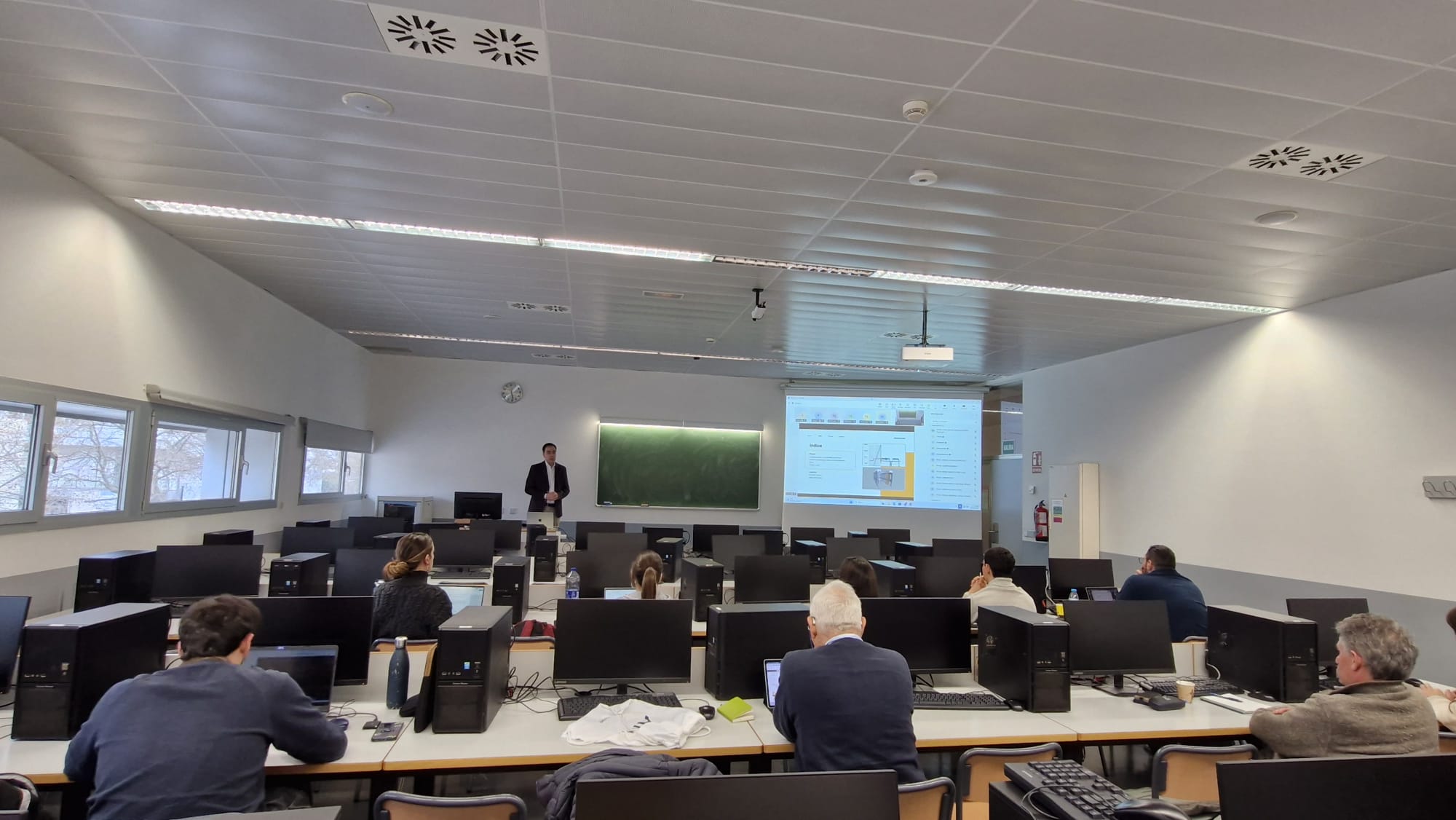
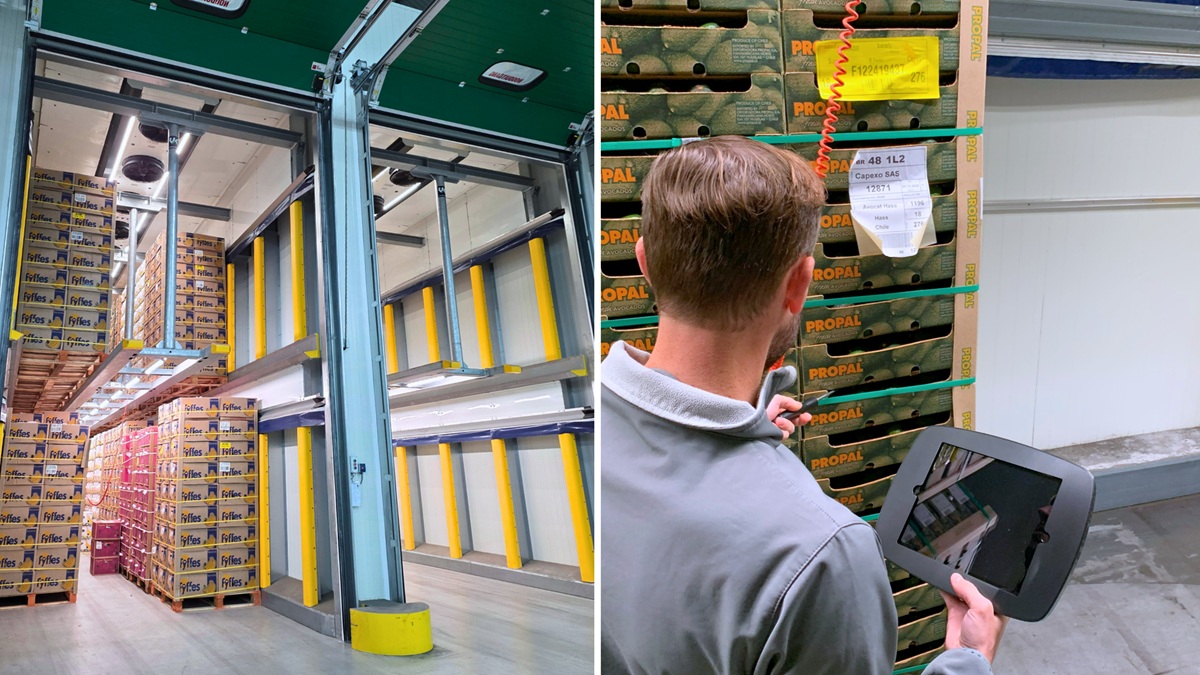
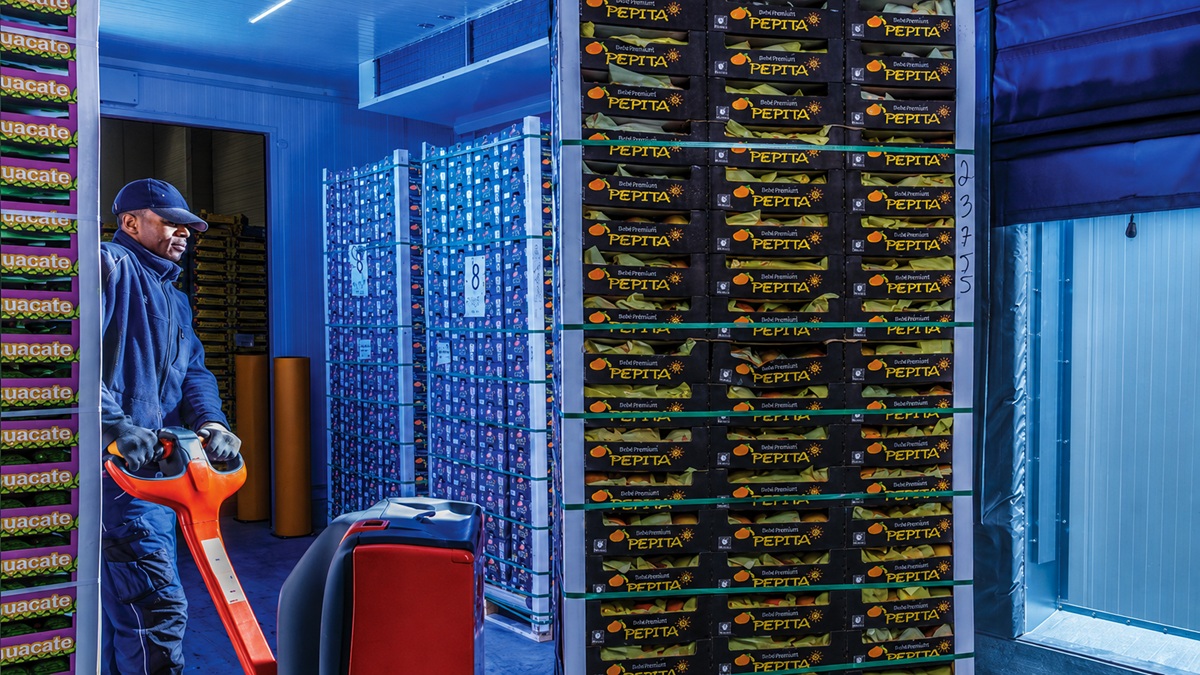
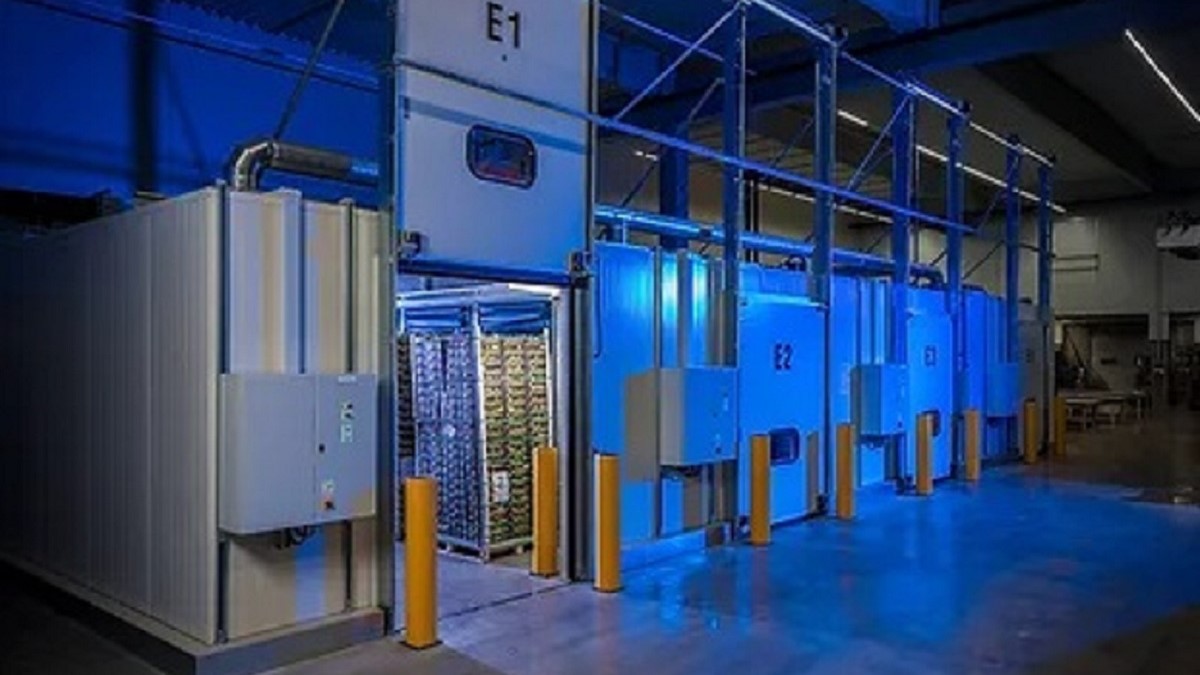
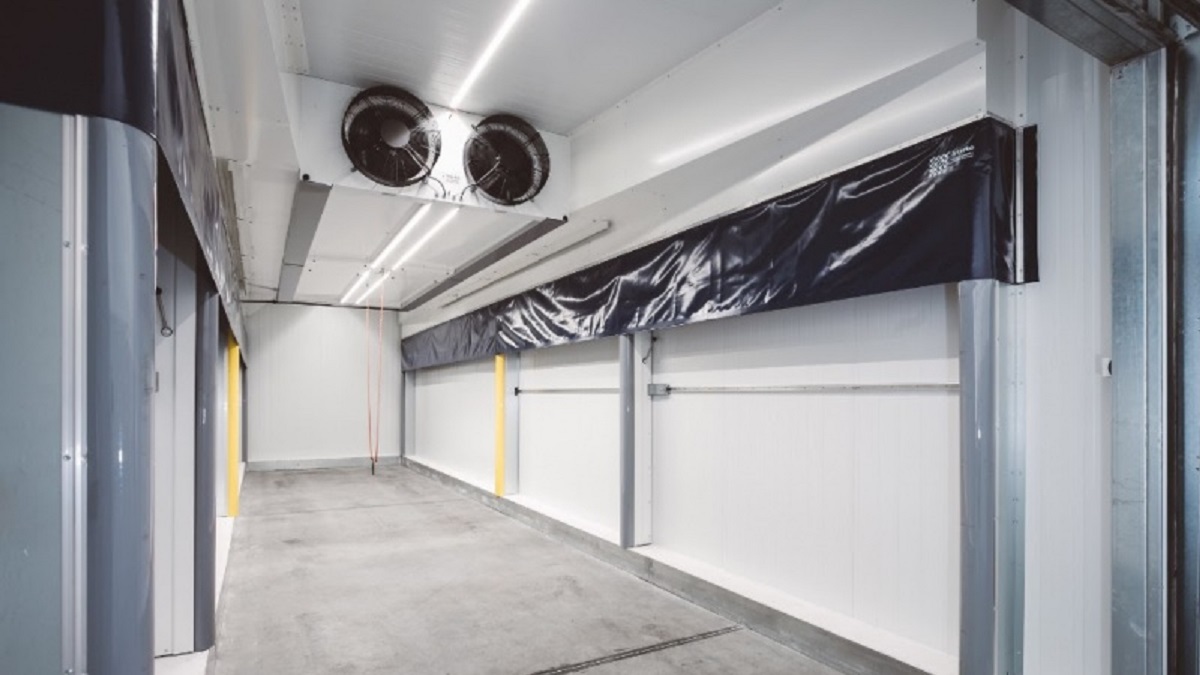
During the IX Postharvest Technology Course at UPV, Interko participated with a masterclass focused on the real world application of controlled ripening in commercial ripening rooms. The session was delivered by Chris Maat, CEO of the company, who combined practical experience and physiological foundations based on Interko’s track record of installing more than 7000 ripening rooms worldwide.
Ripening control and the need to reduce variables
Maat stressed that ripening is ultimately a natural process that must be technically managed. Ethylene is the compound that signals fruit to ripen, and the role of the operator is to regulate that signal under controlled conditions. As he stated during the session, the process is “controlled, but natural.”
When treatments such as 1 MCP are involved, complexity increases. 1 MCP blocks ethylene receptors, but its duration of action is not fully predictable because its effect decreases over time. Attempting to ripen fruit treated with 1 MCP, such as pears or avocados, introduces an additional variable into an already complex system. In the case of avocado, where multiple physiological and logistical factors are already at play, adding further uncertainty can turn the operation into “a lottery,” as Maat described it. The operational objective should therefore be to reduce variables, not increase them.
Another key aspect addressed was the effect of controlled atmosphere during transport. Although highly effective for preserving fruit quality during shipping, fruit requires time to recover upon arrival. Maat explained that fruit needs to “revive” or “wake up” before active ripening can begin. Once fruit fully enters the climacteric phase, there is limited room for intervention, and operators must work with the inherent characteristics of the batch.
From physiology to commercial readiness, the consumer as a decisive factor
A central question discussed was how to determine the number of days required for a batch to reach the desired commercial stage, whether defined by color, sugar content or internal condition. From a theoretical perspective, sugar content plays a decisive role. Fruit with higher sugar levels at arrival ripens more quickly because sugar acts as the metabolic fuel driving the process. If sugar levels are lower, complex carbohydrates must first be converted into simple sugars, which requires both energy and time. In avocado, internal physiological development plays a similar role, influencing the adjustments needed in temperature, ethylene concentration and duration.
However, commercial readiness is not defined by physiology alone. It is also shaped by consumer demand and market dynamics. Different retail chains may require different ripening stages, and distribution centers must respond accordingly. Market conditions can further complicate decisions. Maat referred to situations observed in the Netherlands, where a strong supply of strawberries negatively affects the sales of other fruits. In such cases, the fruit has already been purchased, and options are limited.
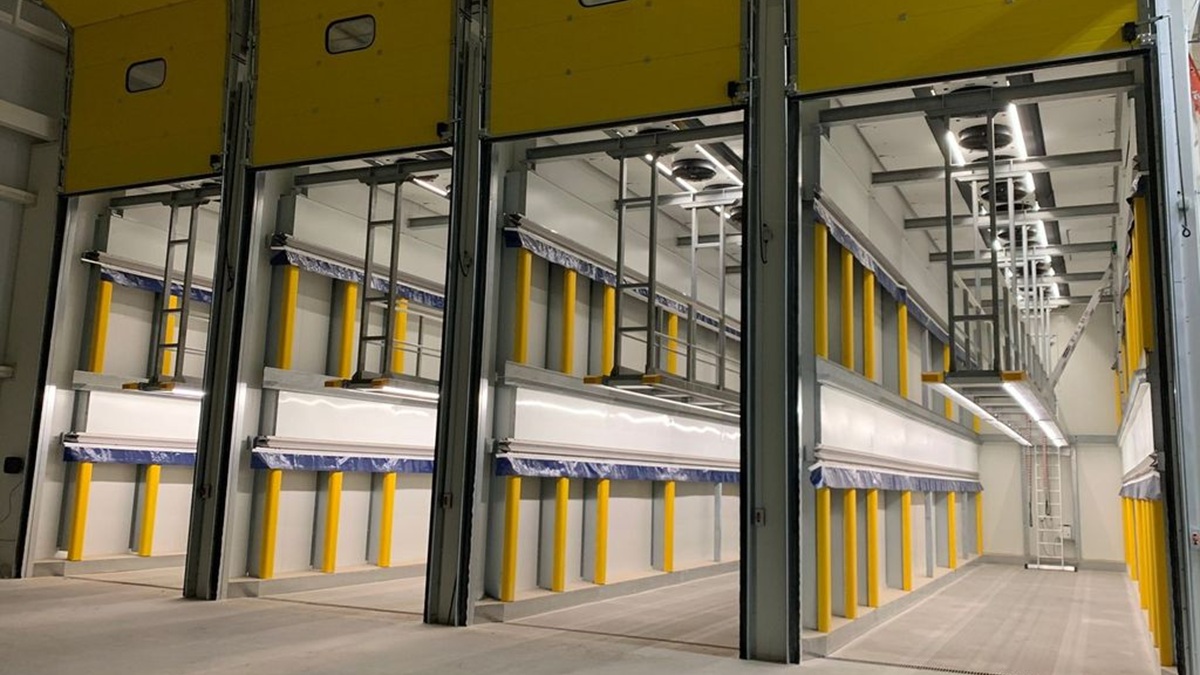
At the final stage, the alternatives narrow down to selling or processing the fruit. In industrial processing systems, planning is more predictable because daily volumes are defined by processing capacity. In contrast, retail distribution introduces variability linked to consumer behavior, which directly affects ripening strategies and operational decisions.
Poscosecha.com would like to thank Interko for its support as sponsor of the IX Postharvest Technology Course at UPV. This collaboration contributes to strengthening specialized training and the transfer of applied technical knowledge to the sector.
The masterclass ultimately highlighted that controlled ripening is not about forcing nature, but about managing it with technical precision, minimizing uncertainty and understanding that beyond fruit physiology, the consumer remains a decisive variable in the final equation.
News of Interko