
IRTA
Phytosanitaries
Microbial consortia improve postharvest disease control in apples
A study shows that combining different biological control agents provides greater protection against postharvest apple diseases than single microorganisms improving treatment efficacy and survival during storage
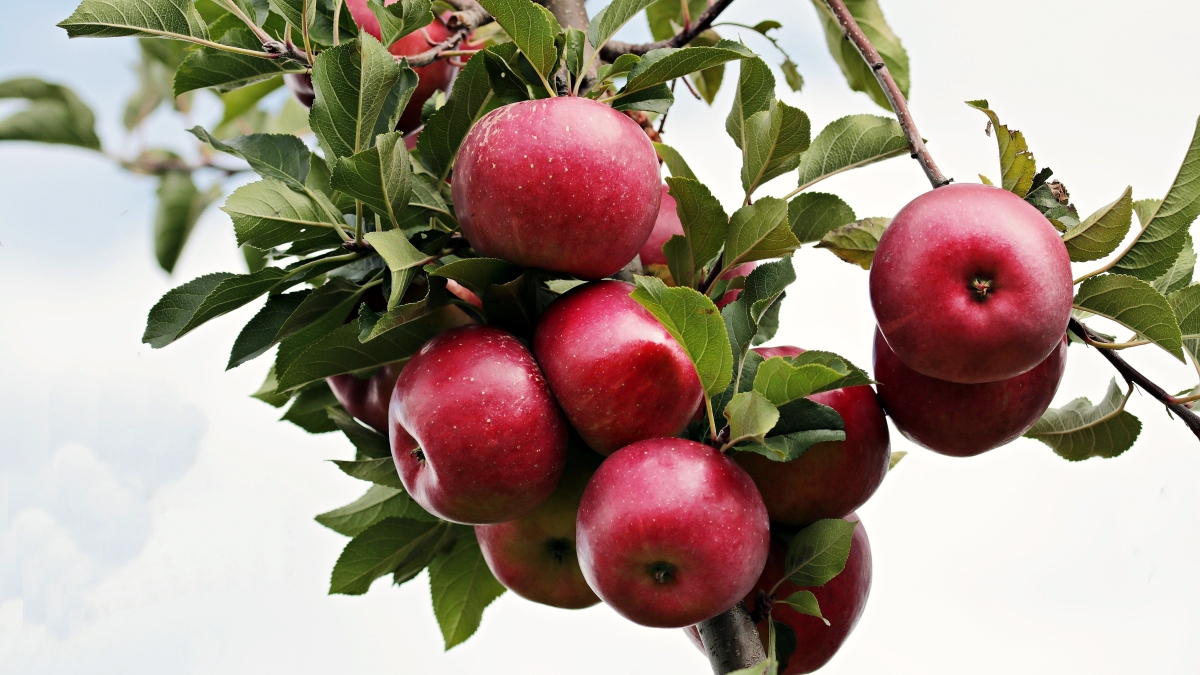
Postharvest diseases caused by fungi such as Penicillium expansum and Botrytis cinerea are among the main causes of economic losses during apple storage and commercialization. As the industry seeks alternatives to chemical fungicides, biological control agents are becoming increasingly important for sustainable disease management.
This study investigated whether combining different antagonistic microorganisms could provide better disease control than applying individual strains separately. Researchers selected two biological control agents originating from different climatic environments: the bacterium Pantoea agglomerans B296 from Spain’s Ebro Valley and the yeast Vishniacozyma carnescens L157 from the Catalan Pyrenees.
Before evaluating efficacy, the researchers examined population dynamics and determined the minimum effective dose required for disease control. They then developed water-dispersible granule formulations using fluidised-bed spray-drying technology, both for individual microorganisms and for the combined microbial consortium.
The treatments were tested under commercial postharvest conditions on ‘Golden Reinders’ and ‘Mandy’ apple varieties. Trials were conducted under both room-temperature and cold-storage conditions to assess their effectiveness against major fungal pathogens.
Results showed that the consortium containing both biological control agents, applied at a concentration of 10⁷ CFU/mL, provided better control of Penicillium expansum and Botrytis cinerea than the individual microorganisms under certain storage conditions.
In addition, the combined formulation significantly improved microbial survival during formulation and storage compared with separate formulations.
The researchers conclude that microbial consortia offer a promising strategy for sustainable postharvest disease management, providing an effective alternative to chemical fungicides while improving fruit preservation throughout storage and distribution.
Source
Sánchez, A. M., Oliva, J., Casals, C., Solsona, C., & Teixidó, N. (2026). Consortia of biocontrol agents provide improved control of apple postharvest diseases compared to monocultures. Postharvest Biology and Technology. Elsevier.
News of IRTA

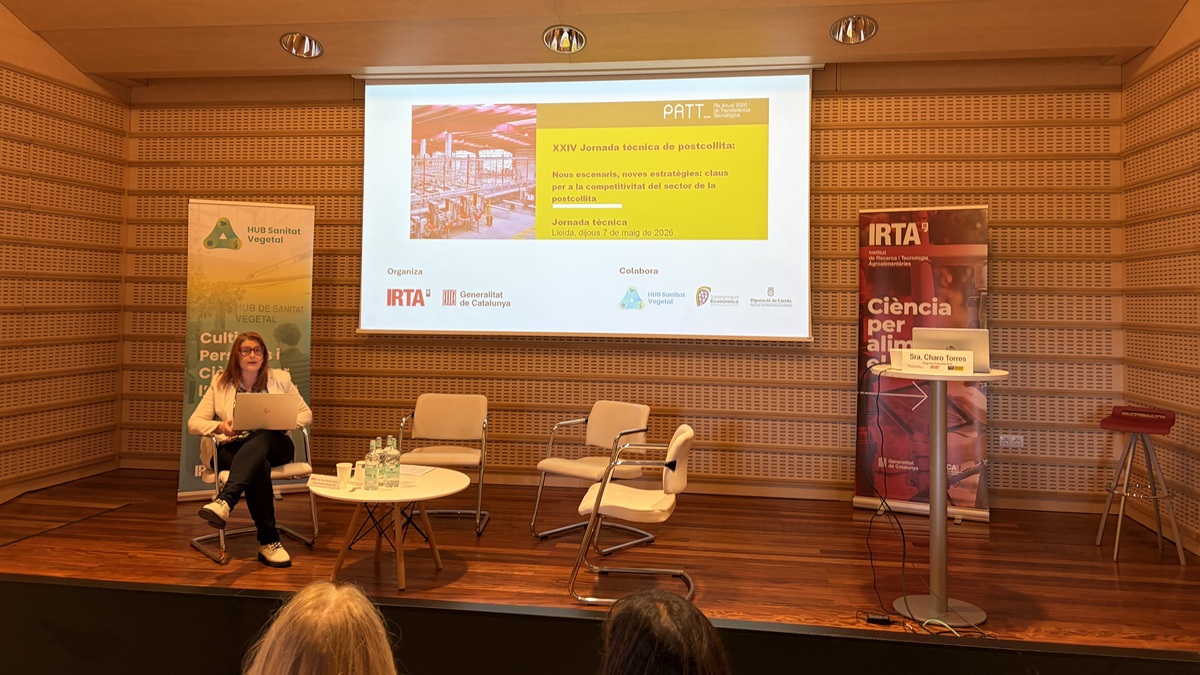
The 24th IRTA postharvest technical conference addresses how to adapt fruit storage to a scenario with fewer tools and higher demands