News
Maturity biomarkers for predicting postharvest softening in Hayward kiwifruit
Predicting kiwifruit softening is challenging due to variable physiology at harvest. Key biomarkers such as starch, sugars, gene expression, and enzyme activity were identified. Machine learning models improved prediction accuracy. These findings support better postharvest management and quality preservation
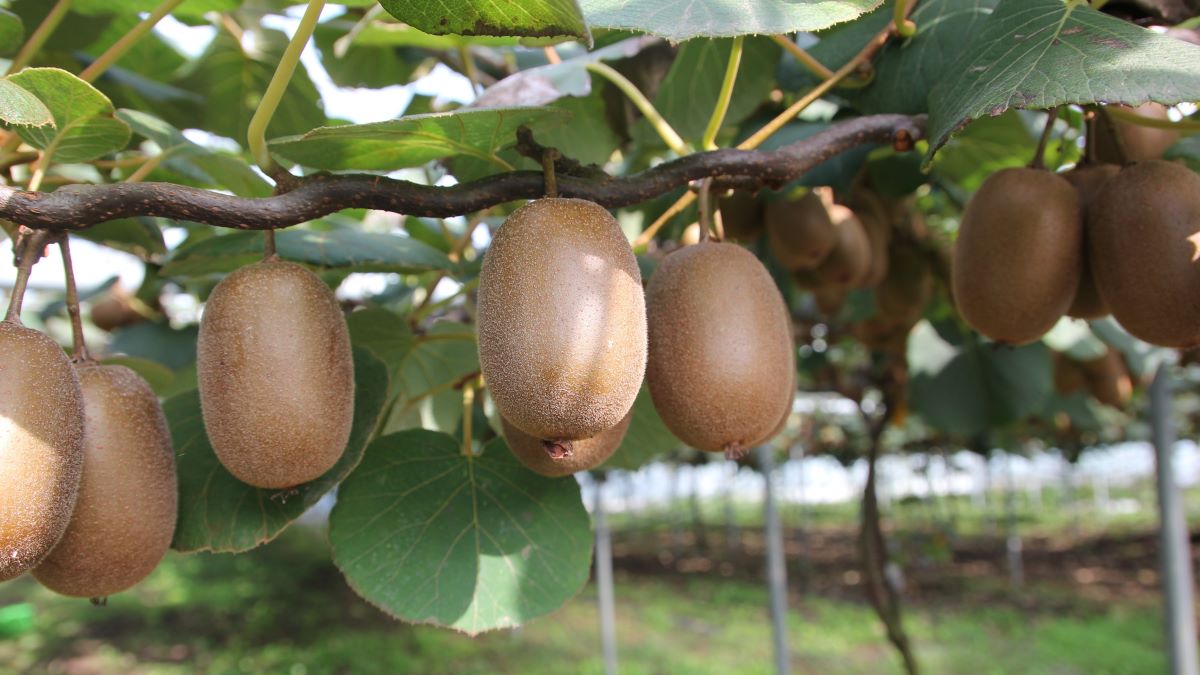
Accurately predicting postharvest softening in kiwifruit is crucial for optimizing the supply chain and ensuring quality control, although it remains difficult due to the dynamic and heterogeneous physiological processes present at harvest.
To identify maturity biomarkers capable of predicting postharvest softening, physiological, biochemical, and molecular characteristics were analyzed at harvest maturity from 100 commercial orchards over two growing seasons. Their predictive capacity for ‘Hayward’ kiwifruit firmness after two and ten weeks of cold storage was evaluated.
The results showed that starch content, along with compounds such as quercetin and monosaccharides like arabinose and xylose, were strongly linked to firmness retention. Based on softening performance in the first season, three orchards with high firmness and three with low firmness were selected for transcriptomic analysis, identifying nine candidate genes associated with softening regulation, including aquaporin PIP2–7, IFRL4, β-amylase BAM3.2, and polygalacturonase CkPGC-1. Additionally, the activities of pectin methylesterase (PME) and β-galactosidase (β-Gal) at harvest were correlated with postharvest firmness. By integrating these variables into linear and non-linear machine learning models, starch and sucrose content, expression of PIP2–7 and IFRL4, and the activities of β-Gal and especially PME were identified as the most reliable predictors of final firmness.
These maturity biomarkers provide a practical and mechanistic framework to assess softening risk in ‘Hayward’ kiwifruit, enabling more precise postharvest management and helping maintain fruit quality during cold storage.
Source
Rodovitou, M., Michailidis, M., Pantazi, X. E., Skodra, C., Titeli, V. S., Kollaros, M. G., Bazakos, C., Tanou, G., & Molassiotis, A. (2026). Maturity biomarkers predicting ‘Hayward’ kiwifruit softening through large-scale physiological and multi-omic profiling with advanced computational analysis. Postharvest Biology and Technology, 114325.