News
Quiesscence in postharvest fungal pathogens: Growth suppression or immature fruit defense?
Investigating ethylene signaling pathways and host resistance gene activation controlling delayed necrotrophic colonization throughout ripening cycles
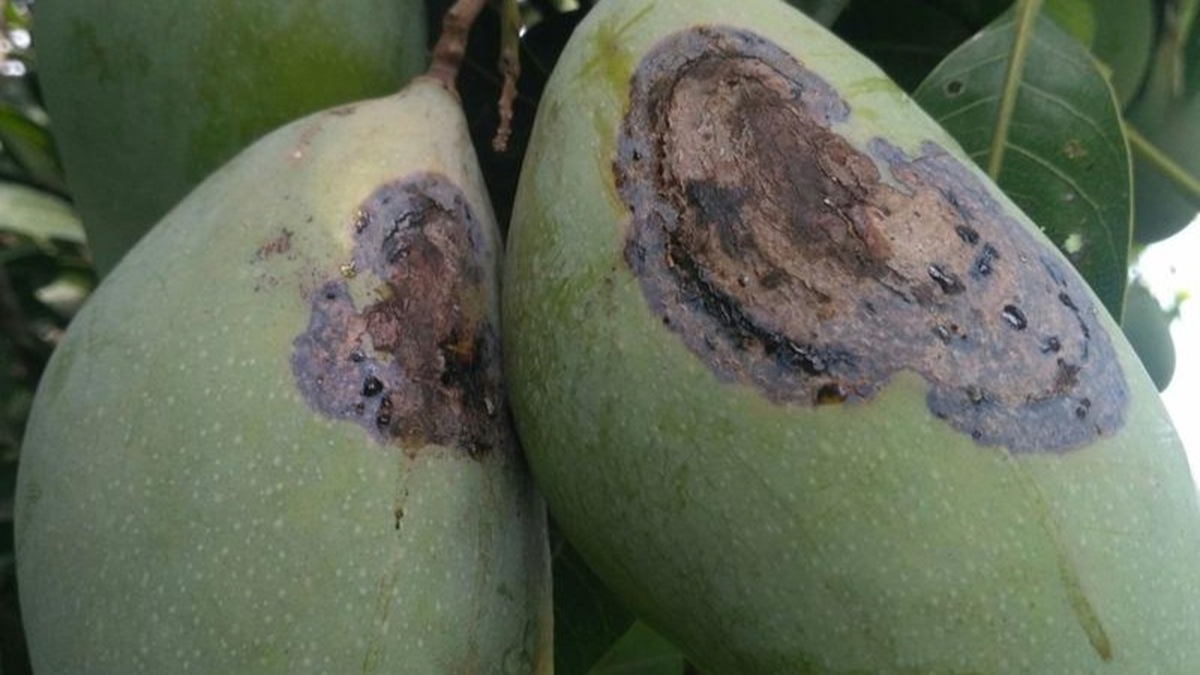
Postharvest pathogens can infect fresh produce both before and after harvest through direct or wound-enhanced penetration, remaining quiescent until ripening. Biotrophic-like postharvest pathogens persist beneath host cells and can remain in a state of quiescence. They detect environmental cues and regulate this state through chromatin-level control and the secretion of effectors that interact with host pattern recognition receptors.
By contrast, necrotrophic fungi persist between dead cells and depend more directly on nutrient availability to prime their growth and upon the secretion of fungal virulence factors.
During quiescence, the host also mounts specific responses, including the activation of pattern recognition receptor genes, ethylene signaling (particularly in unripe fruit), and defense genes such as PR-10 and chitinases. Jasmonic acid and ethylene pathways synergistically enhance these defenses.
As fruit ripens, the transition from quiescence to active necrotrophic growth is triggered, accelerating tissue decay. This activation is driven by several key factors, including weakened host defenses, decreased levels of antifungal compounds such as polyphenols, and increased cell wall accessibility due to fruit softening.
Furthermore, ripening-associated changes in signaling pathways alter environmental pH, carbon metabolism, and secondary metabolite production. These regulatory mechanisms collectively govern the timing and extent of fungal colonization during fruit senescence.
Global Impact of Postharvest Waste
Fruits and vegetables are highly perishable commodities, and improper handling during harvesting, transportation, or storage can result in significant postharvest losses and waste.
The Food and Agriculture Organization of the United Nations estimates that about one-third of global food production – approximately 1.3 billion metric tons – is lost or wasted each year. In the case of horticultural products, losses can reach up to 60%, occurring at various stages of the supply chain, from harvest to household consumption.
Fungal Infection and the Quiescent Stage
Postharvest fungal infections may be initiated before, during, or after harvest but often remain dormant in a quiescent stage until fruit ripening and senescence. This is different from fungal pathogens that show a complete full cycle in living tissue, which are not covered here. Symptoms usually become visible only after prolonged cold storage or during shelf life, just before consumption.
Current Challenges and Future Research Directions
Disease prevention is typically achieved through a combination of fungicide treatments and optimized storage conditions. Notably, while most freshly harvested fruits and vegetables harbor quiescent infections, the mechanisms governing fungal quiescence and host resistance in unripe fruits remain poorly understood.
Although recent advances have introduced stable and robust sensing materials with high sensitivity for detecting fruit infections, no practical applications have been implemented to date.
This knowledge gap underscores the importance of investigating the factors that regulate quiescence and its activation. Such insights could inform the development of novel disease management strategies aimed at reducing reliance on postharvest fungicides while preserving fruit quality over time.
Source
Prusky, D. B., Chen, T., Chen, Y., Tian, S., & Li, B. (2021)
Quiescence of postharvest pathogens: a fungal inhibition process or an immune response of the unripe host fruit?
New Phytologist, 230(3), 913-920
https://doi.org/10.1111/nph.17135