News
Mechanical harvesting effects on postharvest quality of southern highbush blueberries
Mechanical harvest of blueberries is increasing but can cause bruising and quality loss. Harvest timing, pulp temperature, and delay to impact strongly influence postharvest quality. Cultivar differences affect firmness, bruising, and flavor. Optimized harvesting conditions are essential for quality preservation
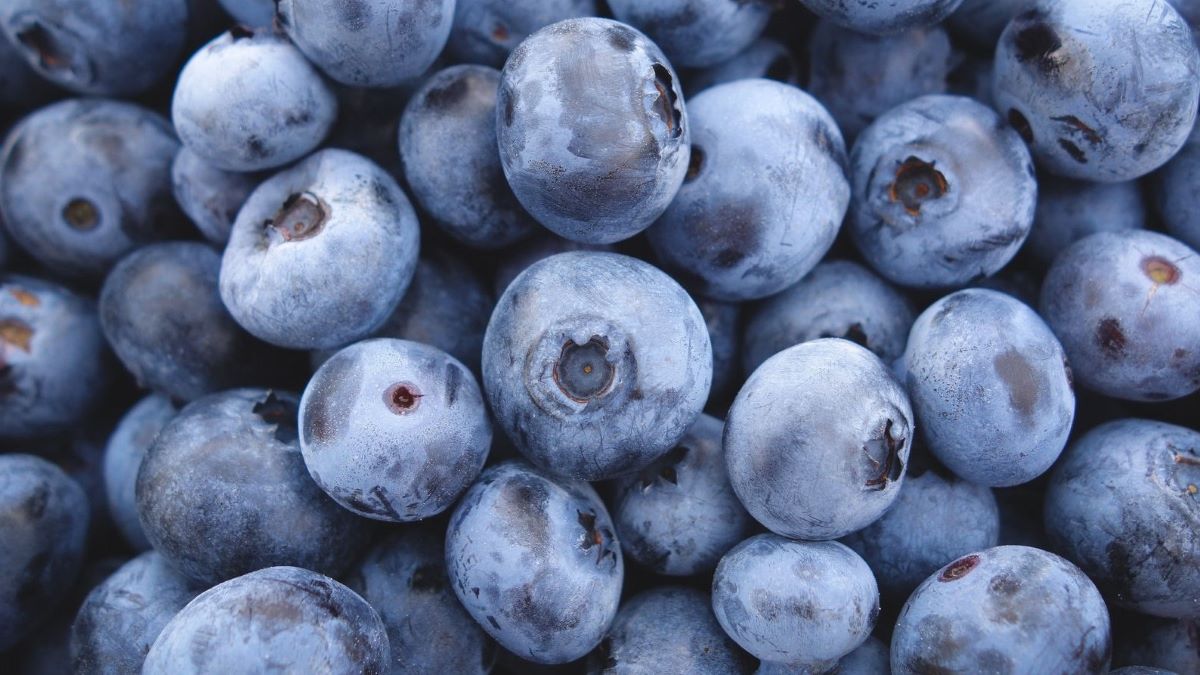
Fresh market blueberries (Vaccinium spp.) are highly delicate fruits that undergo multiple mechanical impacts during harvesting, packing, and transportation. The mechanical harvesting of southern highbush blueberries (SHB) is becoming increasingly common due to rising labor costs and limited workforce availability.
As new commercial cultivars are introduced, growers face uncertainties regarding their suitability for mechanical harvesting. In many southeastern U.S. production areas, early spring harvests occur under high ambient temperatures exceeding 30 °C.
Over the past decade, a series of experiments was conducted to evaluate how mechanical impacts affect fruit quality. A 60 cm drop height was used to simulate bruising under three commercial harvest and handling scenarios. (1) Harvest interval: non-impacted ‘Star’ and ‘Sweetcrisp’ fruits showed higher soluble solids to titratable acidity ratios (SSC:TA) after a 7-day harvest interval compared to the initial harvest. However, impacted ‘Star’ berries from the second harvest were 70–100% softer during 14 days of storage at 1 °C and 85% RH, while ‘Sweetcrisp’ showed lower sensitivity to harvest delay. (2) Pulp temperature at impact: no differences in bruising severity were observed among ‘Meadowlark’, ‘Colossus’, and ‘Sentinel’ due to pulp temperature at impact.
Overall, impacted fruits showed higher weight loss (3–9%), increased softness, and more severe bruising than non-impacted controls. (3) Delay between harvest and impact: delays of 5 or 24 hours did not significantly affect weight loss in ‘Meadowlark’ during cold storage. However, ‘Colossus’ and ‘Sentinel’ fruits experienced 35–45% greater weight loss after a 24-hour delay compared to a 5-hour delay.
Impacted berries showed much higher bruising severity (38.5–84.4%) compared with controls (1.0–8.3%). Cultivar differences were evident, with ‘Sentinel’ being the softest and most bruised, followed by ‘Meadowlark’ and ‘Colossus’. Flavor profiles varied widely, with SSC:TA ratios ranging from 18 to 44 depending on cultivar. Respiration rates increased immediately after impact at higher temperatures, while remaining stable at lower temperatures.
These results highlight the combined influence of harvest interval, pulp temperature, and delay to impact on blueberry postharvest quality, emphasizing the need to optimize mechanical harvest strategies under warm subtropical conditions.
Source
Berry, A., Sargent, S., Santana, M., Williamson, J., & Stahl, S. (2026). Mechanical harvest of southern highbush blueberries: Influence of harvest interval, delay to impact, and pulp temperature at impact on postharvest quality. Horticulturae, 12(3), 336