
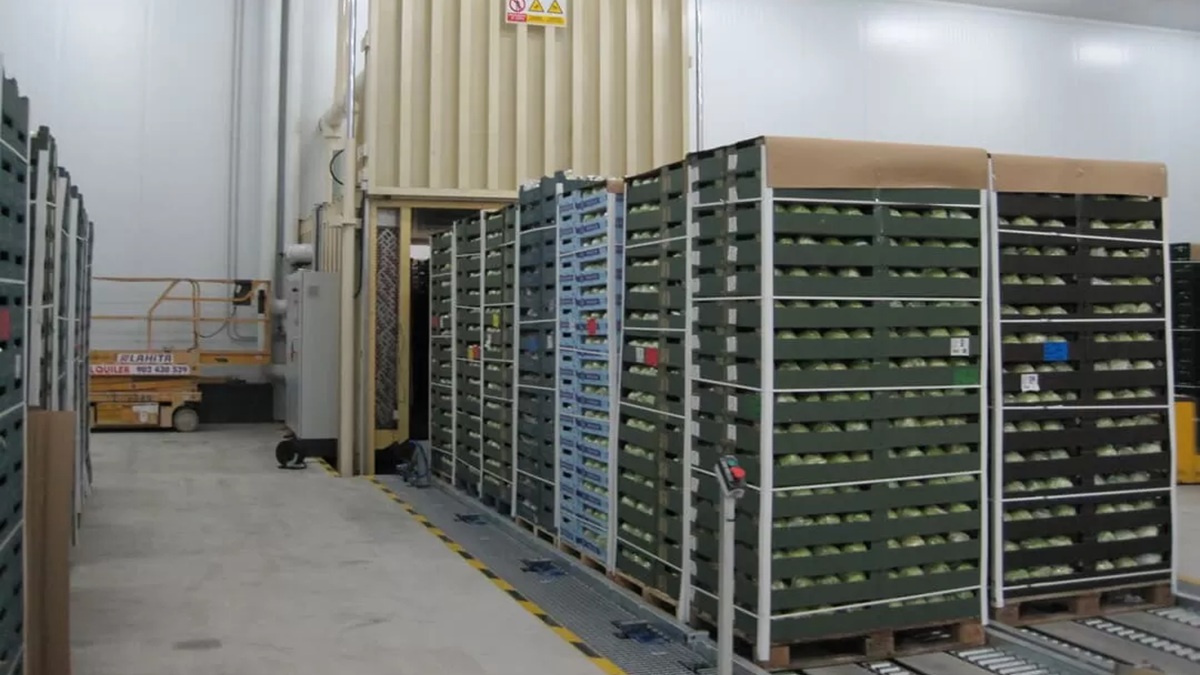
In the middle of the packing season, Moelco Levante has shared an operational message aimed at fresh produce packinghouses, warning that when warm product enters the facility the process slows down, queues build up, and productive time is lost. The company argues that pre cooling is the key stage to keep a steady flow and avoid unnecessary stoppages that ultimately affect overall productivity. From this perspective, its message stresses that the real bottleneck is not the cold room itself, but the temperature of the product when it reaches the intake area.
Technical takeaways from Moelco Levante’s approach
The reasoning is straightforward: if product comes in at a higher temperature, the system needs more time to bring it down to stable conditions and the delay ripples through the rest of the line. That accumulation translates into waiting time at reception and at line feeding, with a higher risk of interruptions when the incoming heat load exceeds the absorption capacity at the first stage of the process. During peak pressure periods, this becomes a limiting factor for packing and dispatch performance.
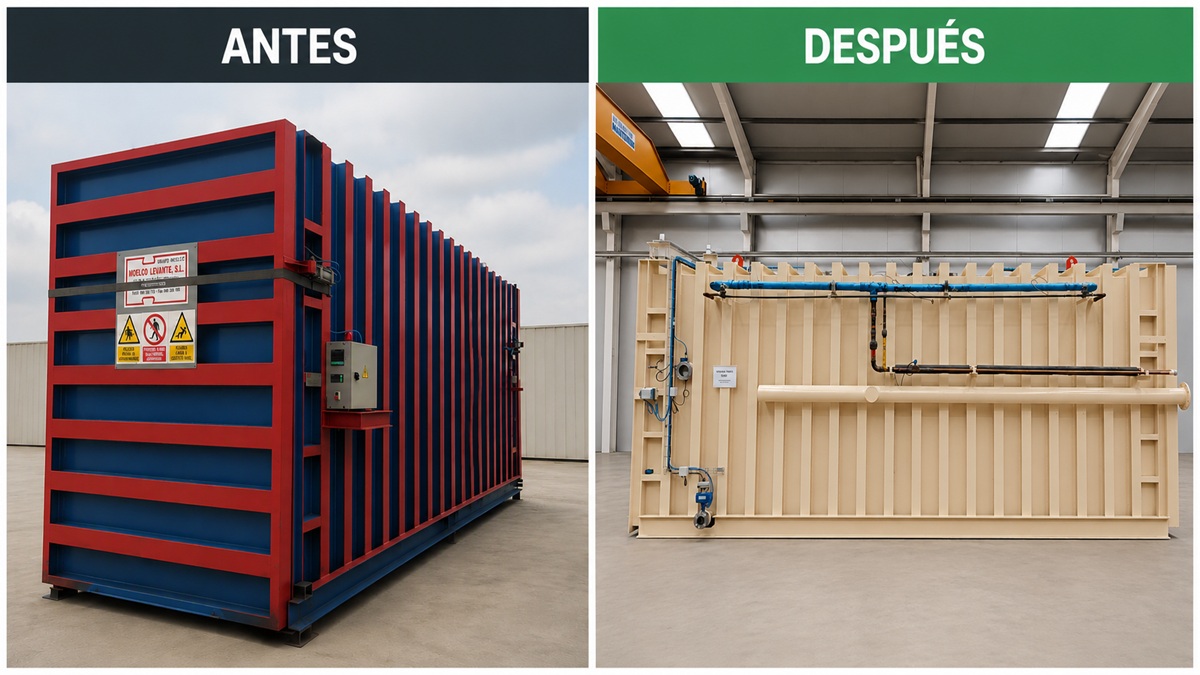
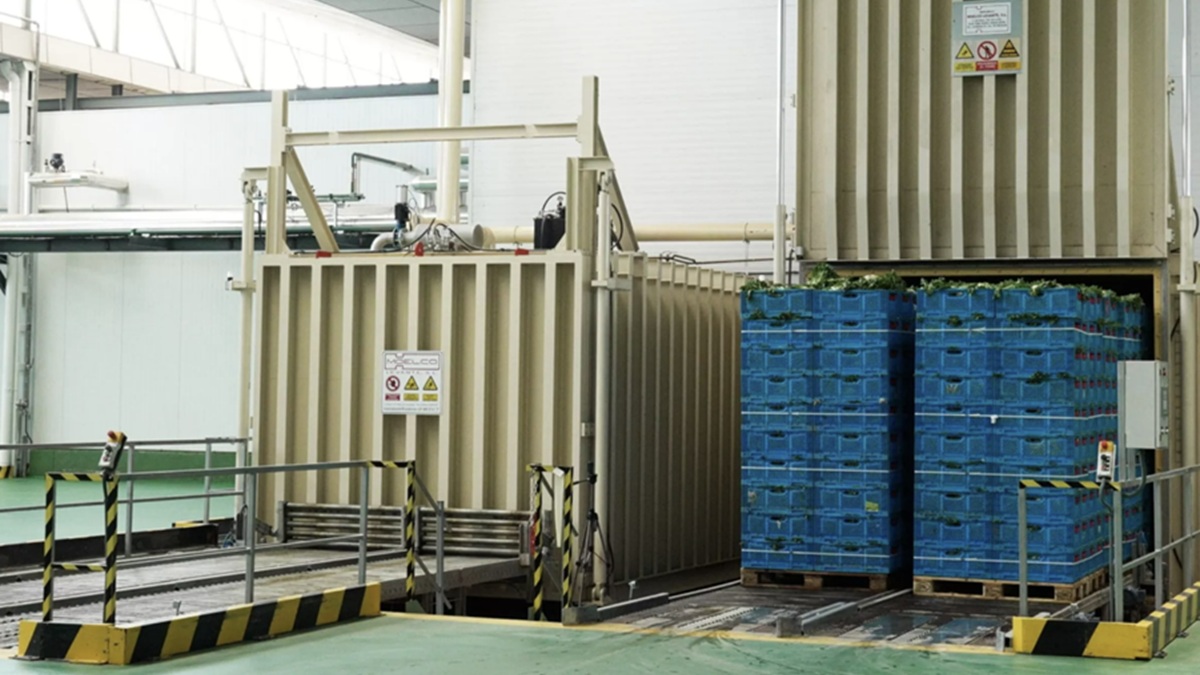
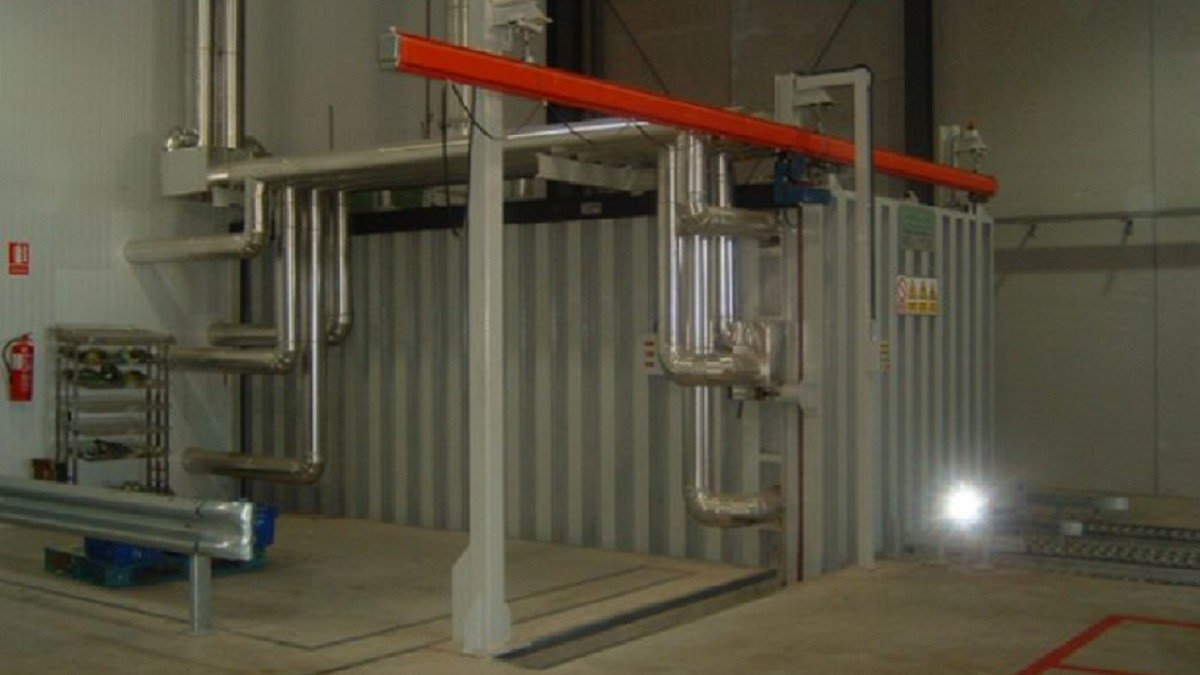
Moelco Levante points to Vacuum Cooling as a way to reduce temperature quickly and uniformly, with the goal of keeping the line moving and preventing internal blockages. In its message, the proposal can be summarized as delivering cold product from intake through to the cold room, improving flow and reducing total time. The company presents this as a practical tool to avoid queues and maintain continuity when every minute matters.
Practical implications for fresh produce packinghouses during peak season
To turn the idea into a measurable improvement, it is worth measuring and recording produce temperature at reception, because that single value helps anticipate heat load peaks and set an appropriate operational response. When warm arrivals are frequent, it becomes useful to prioritize pre cooling early and to organize reception so the line is fed with product that is already thermally stabilized. This sequence helps reduce waiting time and prevents stoppages caused by saturation at the most sensitive points in the flow.
It is also advisable to review internal queue management from a quality standpoint, because prolonged holding at higher temperatures increases respiration and can accelerate firmness loss in sensitive commodities. Coordination with the field and transport completes the picture, since lowering the initial heat load improves pre cooling efficiency and stabilizes daily performance. During the season, the combination of these actions often makes the difference between a smooth plant and one that operates in surges.
Closing point to monitor
Moelco Levante’s message positions pre cooling as a lever to cut time and prevent queues when intake pressure rises during the season. The next practical step is to monitor where waiting time originates using records that link reception temperature with dwell times, to confirm whether the bottleneck is upstream of the cold room and to act on that point with operational measures.