News
New knowledge of asparagus postharvest handling
This article summarizes results of postharvest asparagus research published during 2025
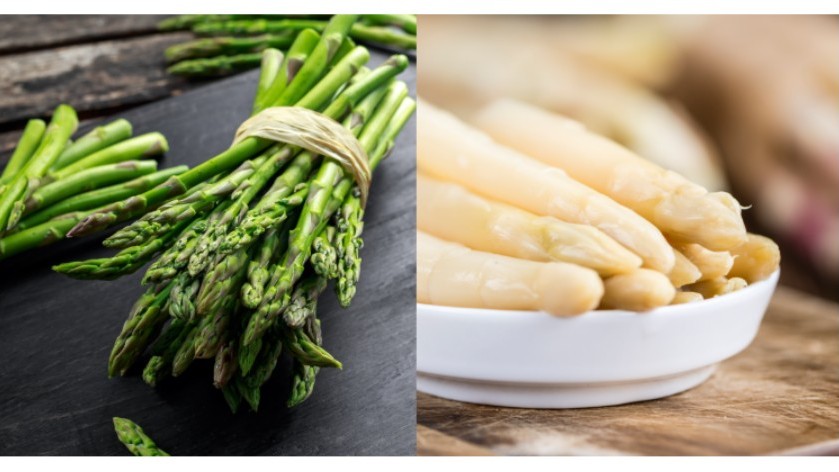
Global production of asparagus (Asparagus officinalis L.) is estimated to reach approximately 10.7 million metric tons by the end of 2026. The global market value is estimated at around US$26 billion to US$28 billion, with a projected annual growth rate of 5%.
Although cultivation has expanded, supply is highly concentrated:
- China: It is the largest producer by total volume. However, the vast majority of its harvest is destined for processing (canned goods) and the immense domestic market. It rarely competes in the international fresh asparagus market.
- Mexico: It has established itself as the giant of fresh asparagus, especially in the Sonora region. Its proximity to the US gives it an unbeatable logistical advantage.
- Peru: The world's second-largest exporter. Its competitive advantage is the ability to produce year-round thanks to its climate, allowing it to fill market "windows" when other countries are out of season.
- Europe: Led by Germany (the main producer of white asparagus) and Spain (a major producer of green asparagus and processed asparagus).
Consumption
Green asparagus dominates the global market due to its ease of cultivation and its perception as a "superfood." White asparagus maintains a very strong and traditional niche market in Central Europe (Germany, France, Belgium).
Per capita consumption in the highest-consuming countries ranges from 1.5 to 1.7 kg in Germany, 85% of which is consumed in spring, during Spargelzeit (asparagus season), to 0.5 to 0.6 kg per capita in Spain, mostly canned white asparagus, with fresh green asparagus gaining ground.
Intermediate amounts of per capita consumption are found in the Netherlands and the United States (0.85 to 1 kg), Japan (0.8) and Canada (0.72).
Drivers and challenges of the asparagus market
Asparagus has established itself as a superfood. Its high content of folic acid, fiber, and antioxidants fits perfectly into plant-based diets; this is further enhanced by its low calorie content.
In the HoReCa sector (hotels, restaurants, and catering), restaurants and hotels are diversifying the use of asparagus in vegan and gourmet dishes, driving demand for premium varieties (such as purple asparagus or extra-large white asparagus).
While the traditional markets are the United States and Europe, the countries with the greatest expected growth in 2026 are in Southeast Asia. Post-harvest improvements allow access to more distant markets with high-quality product.
The lack of available labor and the introduction of harvesting robots with artificial vision are becoming commercially viable on large farms in the US and Europe.
Among the challenges is its high water consumption, an issue linked to sustainability, to which a growing number of consumers are sensitive. Added to this are the logistical and energy costs required for transport and refrigeration, and the aforementioned labor shortage.
Below are advances in post-harvest handling based on studies published during 2025.
Field temperatures, sugar content of the spears, and susceptibility to tip breakdown
Tip breakdown has been identified as the main issue causing deterioration in asparagus quality during storage; however, the underlying mechanisms responsible for its development are unknown.
Previous work showed a higher incidence of tip breakdown occurring later in the season, when growing temperature is higher.
To further our understanding and identify potential biomarkers of this physiological disorder, Emma R. Collings, M. Carmen Alamar, and Leon A. Terry harvested spears from two growing conditions (cooler vs. warmer) through the season to assess tip breakdown incidence, and quality attributes (asparagine and non-structural carbohydrates) during storage.
Rapid growth due to warmer temperatures (up to 45°C) resulted in spears with lower sugar content and higher incidence of tip breakdown compared to cooler conditions.
Asparagine slowly increased through the season (7 to 11 mg g-1 DW) with no differences between growing condition suggesting it is not a biomarker for tip breakdown.
Pre-season spears (warm temperature only) had double the amount of sugar compared to early-season spears, with no incidence of tip breakdown despite an extended storage period (up to 18 days at 7°C).
Sugar concentrations in roots were similar between growing conditions and between pre- and early-season despite clear differences in spear sugar content.
These results showed a strong positive link between cooler growing conditions, high spear sugar content and low susceptibility to tip breakdown which was not reflected in root sugar concentrations.
In summary, it was shown that high temperatures before harvest (up to 45°C) reduce the sugar content in the spear, triggering tip breakdown after harvest. That means, asparagus grown in cool conditions has higher sugar content and can withstand up to 18 days at 7°C without tip damage.
VIS–NIR for early detection of internal damage by Elasmopalpus lignosellus
The early detection of internal damage caused by the insect Elasmopalpus lignosellus in fresh asparagus constitutes a challenge for the agro-export industry due to the limited sensitivity of traditional visual inspection.
André Rodríguez-León et al. evaluated the potential of VIS–NIR hyperspectral imaging (390–1036 nm) combined with machine-learning models to discriminate between infested (PB) and sound (SB) asparagus spears.
A balanced dataset of 900 samples was acquired, and preprocessing was performed using Savitzky–Golay and SNV. Four classifiers (SVM, MLP, Elastic Net, and XGBoost) were compared.
The optimized SVM model achieved the best results (CV Accuracy = 0.9889; AUC = 0.9997).
The spectrum was reduced to 60 bands while LOBO and RFE were used to maintain high performance. In external validation (n = 3000), the model achieved an accuracy of 97.9% and an AUC of 0.9976.
The results demonstrate the viability of implementing non-destructive systems based on VIS–NIR to improve the quality control of asparagus destined for export.
How to peel asparagus?
Peeling is an important step in post-harvest processing of agricultural commodities. The boil, steam, lye, mechanical, and freeze-thaw peeling treatment and method for asparagus "roots" (the paper mentions “roots” instead of spears) were investigated and compared with the manual (control) samples by Deepika Kohli, P.S. Champawat, V.D. Mudgal.
The research demonstrated that steam peeling showed highest efficiency and lowest peeling time and loss, and also exhibited superior antioxidant activity among all methods.
The effect of these selected methods on the biochemical properties was also estimated.
Spear sizes and changes during postharvest storage of green asparagus
The research by Hataitip Nimitkeatkai and Chairat Techavuthiporn employs a kinetic modeling method to analyze postharvest quality alterations in green asparagus spears categorized into two size groups: small spear green asparagus (SSG) and large spear green asparagus (LSG) during temperature-regulated storage. Spears were maintained at temperatures of 4, 10, 15, 20, and 25 °C.
Results indicated that SSG demonstrated greater moisture loss, accelerated ascorbic acid degradation, and more rapid lignification compared to LSG, while sugar depletion was more significant in LSG.
The hue angle decreased more significantly at elevated temperatures; however, SSG maintained its green coloration for an extended period. Validation conducted under simulated fluctuating temperatures demonstrated the models’ robustness, with mean relative errors between 8.82 % and 15.13 %.
Keeping asparagus quality
Isothermal microcalorimetry as indicator of changes in parameters influencing asparagus postharvest quality
There are many methods to store and extend the postharvest life of asparagus spears, but their effectivity is measured by variables that do not reflect spears' senescence.
The objective of the experiment by Gardea-Bejar, A.A et al. was to utilised isothermal microcalorimetry as a tool to objectively measure the quality loss of asparagus spears during postharvest storage.
Asparagus spears cv. Brock were stored at 2°C and 5°C and 90% humidity for 16 days. Metabolic heat and metabolic efficiency of asparagus spears were measured during 16 days.
Researchers found a determination coefficient of 0.79 and 0.87 between metabolic heat and respiration rate in whole spears stored at 2°C and 5°C by a polynomic regression. It was recorded a regression between metabolic heat and fructose (0.5) and glucose (0.67) at 2°C and fructose (0.79) and glucose (0.76) at 5°C and sugar content.
Slight changes were detected in quality parameters (pH, Acidity, TSS), weight loss, and turgor pressure during storage.
It was concluded that parameters obtained through isothermal microcalorimetry were sensitive and reliable indicators to detect changes in postharvest parameters commonly used to evaluate changes in asparagus spears quality.
Regulation of UV-C dosis to keep the desired characteristics in asparagus postharvest
UV-C irradiation is an innovative postharvest technique for increasing the safety of fruits and vegetables.
Valeria Menga et al. investigated the effect of UV-C rays
- UV-C1 = 0.26 KJ/m2
- UV-C2 = 0.40 KJ/m2
- UV-C3 = 0.67 KJ/m2, and
- UV-C4 = 1.34 KJ/m2)
on the preservation of the antioxidants, hardness, and color of fresh green asparagus during storage.
UV-C1 and UV-C2 significantly maintained higher total phenolic content (10.6%), total flavonoid content (36%), rutin (14.3%), quercetin (27.03%), kaempferol-3-O-rutinoside (21.25%), and antioxidant activity (DPPH 7.5%).
Over three weeks of storage, quercetin, ferulic acid, and kaempferol 3-O-rutinoside increased, while rutin and caffeic acid decreased.
Storage caused a significant change in the color and hardness of the control sample, but UV-C4 counteracted hardening for up to three weeks, and UV-C3 was the best dose for stabilizing color during storage.
This study indicates that the choice of UV-C dose can be modulated based on the characteristics that are intended to be preserved in green asparagus, maintaining a balance between nutraceutical and hedonic characteristics.
The highest dose (UV-C 4, 1.34 KJ/m²) managed to prevent hardening (lignification) for up to three weeks, while intermediate doses better stabilized the green color.
To maintain the maximum level of nutraceutical compounds over time, UV-C2 can be adopted, while to preserve texture and color, UV-C3 and UV-C4 are a better choice.
High-oxygen MAP to better preserve asparagus quality
Asparagus (Asparagus officinalis L.) often deteriorates due to intense metabolism that leads to excessive lignification and spoilage.
Modified atmosphere packaging (MAP) is beneficial for the preservation of asparagus. In the study by Yangyang Li et al. asparagus were divided into four groups and packed in different ways (the paper does not mention if white or green asparagus where used):
- perforated plastic bags (CK)
- air MAP (A-MAP)
- high-oxygen MAP (H-MAP) and
- low-oxygen MAP (L-MAP).
All MAP groups reduced weight loss and microbial proliferation in asparagus, with H-MAP group best preserving sensory quality. H-MAP decreased lignin accumulation by 20.52 %, which was also reflected in the alleviation of asparagus hardening.
H-MAP and L-MAP provided early stress protection and later enhanced reactive oxygen species (ROS) clearance, and H-MAP showed the most significant effect. At the end of the storage period, the malonaldehyde (MDA) content of H-MAP group was 2.23 μmol/g (69.04 % of CK group).
Therefore, H-MAP offered benefits in preserving the quality of postharvest asparagus by inhibiting lignification and enhancing antioxidant capacity. Future research will focus on optimization within the H-MAP to determine the optimal ratio of O2 and CO2, and employ omics approaches to elucidate the underlying mechanisms, thereby making it a promising commercial storage solution.
Quinoa saponin offers a green, plant-based preservation strategy using agricultural by-products to keep asparagus quality
Saponin extracts of quinoa (SEQ), a natural bioactive component, possesses antimicrobial, antioxidant, and senescence-delaying properties.
The study by Jiehan Zhang et al. investigated the effects of aqueous SEQ at different concentrations on asparagus quality during ambient storage.
Results showed that 5.0 mg/mL SEQ significantly inhibited weight loss, delayed chlorophyll degradation, maintained color stability, mitigated membrane lipid peroxidation, and reduced MDA accumulation.
It also suppressed phenolic compound conversion to lignin, downregulated key polyphenol metabolism enzymes (PAL and POD), and delayed lignin deposition and tissue hardening.
Additionally, SEQ enhanced CAT activity, improving ROS scavenging capacity and alleviating oxidative damage.
These findings suggest that SEQ inhibits postharvest lignification and senescence in asparagus, potentially through modulation of the antioxidant system and phenylpropanoid metabolism pathway, providing a theoretical basis for developing natural preservatives and green postharvest control technologies.
Antifungal properties of a non edible relative from the same genus of Asparagus officinalis
The primary objective of the study carried out by Ramesh Baviskar was to evaluate the antifungal activity of natural medicinal herbs against post-harvest fungal pathogens.
Ethanolic extracts of Asparagus racemosus L. and Terminalia bellerica Roxb. were tested at varying concentrations (500, 1000, 1500, 2000, 2500, and 3000 µg/ml) against dominant fungal pathogens isolated from naturally infected apple fruits, viz. Penicillium
expansum, Aspergillus flavus, and Mucor piriformis.
Asparagus racemosus is a medicinal plant originating from India (Himalayas). It is not consumed as a table vegetable, but rather is a cornerstone of Ayurvedic medicine, and known as “Shatavari”.
Asparagus racemosus L. demonstrated up to 99% inhibition of mycelial growth at 3000 µg/ml against Penicillium expansum and Aspergillus flavus, while Terminalia bellerica Roxb. showed complete (100%) inhibition of Mucor piriformis at the same concentration.
These findings suggest that the leaf extracts possess potent antifungal properties and could serve as effective, natural alternatives for managing post-harvest diseases in fruits.
Sources
Picture, https://iberiana.es/en/what-are-the-differences-between-green-and-white-asparagus/#
André Rodríguez-León, Jimy Oblitas1,
Jhonsson Luis Quevedo-Olaya, William Vera, Grimaldo Wilfredo Quispe-Santivañez, Rebeca Salvador-Reyes
Non-Destructive Detection of Elasmopalpus lignosellus Infestation in Fresh Asparagus Using VIS–NIR Hyperspectral Imaging and Machine Learning
Foods 2026, 15(2), 355;
https://doi.org/10.3390/foods15020355
https://www.mdpi.com/2304-8158/15/2/355
Deepika Kohli, P.S. Champawat, V.D. Mudgal
Evaluation of effect of post-harvest peeling treatments on peeling ease, peeling performance and biochemical composition of asparagus roots (Asparagus Racemosus L.)
Journal of Applied Research on Medicinal and Aromatic Plants
Volume 50, January 2026, 100687
https://doi.org/10.1016/j.jarmap.2025.100687
https://www.sciencedirect.com/science/article/abs/pii/S2214786125000671
Emma R. Collings; Alamar, M. Carmen; Terry, Leon A.
Impact of growing temperature on spear and root carbohydrate content and the effects on postharvest asparagus tip breakdown incidence
https://dspace.lib.cranfield.ac.uk/handle/1826/23378
https://doi.org/10.57996/cran.ceres-2697
Gardea-Bejar, Alfonso A. ; Sánchez-Estrada, Alberto ; Orozco-Avitia, Jesús A. ; Tiznado-Hernández, Martín E. ; Troncoso-Rojas, Rosalba ; Mercado-Ruiz, Jorge N. ; Ojeda-Contreras, Angel J. ; Fortiz-Hernández, Judith ; Robles-Sardín, Alma E.
Microcalorimetry as a tool to measure shelf-life at postharvest of green asparagus
New Zealand Journal of Crop and Horticultural Science, Volume 53, Issue 4, pp. 889-906, 18 pp.
https://ui.adsabs.harvard.edu/abs/2025NZJCH..53..889G/abstract
Hataitip Nimitkeatkai, Chairat Techavuthiporn
Kinetic modeling of temperature-dependent physicochemical changes in green asparagus (Asparagus officinalis L.) spears of differing calibers during postharvest storage
Journal of Food Engineering, Volume 406, March 2026, 112828
https://doi.org/10.1016/j.jfoodeng.2025.112828
https://www.sciencedirect.com/science/article/abs/pii/S0260877425003632
Jiehan Zhang, Sen Li, Qianqian Wang, Yao Lu, Wei Zheng, Yu Zhang, Xiao Guan
Effect of saponin extracts of quinoa on postharvest preservation of asparagus and its mechanism
Journal of Stored Products Research, Volume 116, March 2026, 102927
https://doi.org/10.1016/j.jspr.2025.102927
https://www.sciencedirect.com/science/article/abs/pii/S0022474X25003868
Ramesh Baviskar
Evaluation of in vitro antifungal effects of Asparagus racemosus L. and Terminalia Bellerica Roxb. on post-harvest fungal pathogens affecting apple fruits
World Journal of Pharmaceutical Research, Volume 14, Issue 8, 1076-1081.
https://wjpr.s3.ap-south-1.amazonaws.com/article_issue/82155c4c4b06d47e72586d1e81217cd7.pdf
Valeria Menga, Romina Beleggia, Domenico Pio Prencipe, Mario Russo and Clara Fares
The Post-Harvest Application of UV-C Rays: Effects on the Shelf Life and Antioxidants of Fresh Green Asparagus (Asparagus officinalis L.)
Appl. Sci. 2025, 15(15), 8533
https://doi.org/10.3390/app15158533
https://www.mdpi.com/2076-3417/15/15/8533
Yangyang Li, Yue Wang, Junping Liu, Kaibo Yu, Xiaowei Chen, Linfeng Yuan, Shengfeng Peng, Wei Liu, Lei Zhou
Effect of modified atmosphere packaging on storage quality and lignification process of postharvest asparagus (Asparagus officinalis L.)
Food Packaging and Shelf Life, Volume 51, September 2025, 101576
https://doi.org/10.1016/j.fpsl.2025.101576
https://www.sciencedirect.com/science/article/abs/pii/S2214289425001462