Packaging
Oxygen threshold extends fresh-cut lettuce shelf life
A recent study has identified a critical oxygen threshold of 0.50% that determines the exact point at which fresh-cut lettuce begins to deteriorate. This discovery is key to designing better modified atmosphere packaging and extending commercial freshness
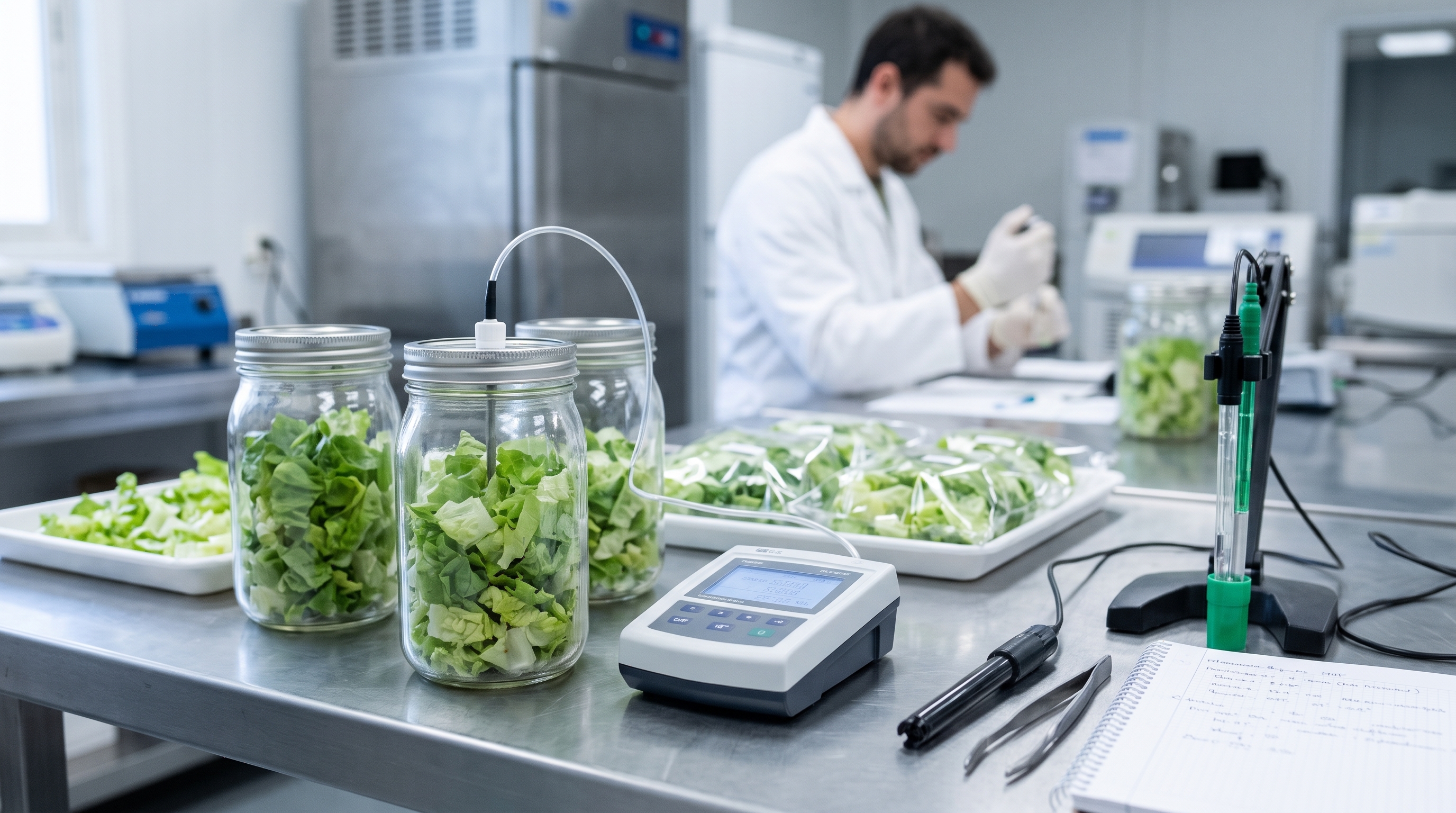
Fresh-cut lettuce is one of the most perishable products on the market. To keep it fresh, the industry uses modified atmosphere packaging that reduces oxygen and raises CO2. However, research has conclusively shown that there is a universal physiological limit close to 0.50% oxygen. Below this point, plant metabolism shifts to fermentation, causing cell membrane failure and accelerated tissue deterioration.
Genetics and cold chain maintenance
The study evaluated 15 different genetic accessions of lettuce, analyzing variables such as cut type and temperature. The results indicated that strictly maintaining the cold chain is essential to prevent membrane degradation. It was also discovered that cultivars with the favorable "qSL4" genetic allele exhibit great membrane resistance and robustness against oxygen deprivation, regardless of their respiration rate.
A rapid assay for the industry
One of the most practical achievements of the research has been the validation of a closed-jar assay lasting just 10 days at 10 °C. By measuring only electrolyte leakage (which indicates cellular damage) after this period, scientists were able to highly accurately predict the commercial behavior of the lettuce over 37 days of storage.
Source
Simko, I., & Stahlhut, R.W. (2027). A universal hypoxic threshold and genotype-dependent metabolism in fresh-cut lettuce. Postharvest Biology and Technology, 243, 114664. https://doi.org/10.1016/j.postharvbio.2027.114664