Packaging
Smart protein-based packaging offers new opportunities for fresh produce preservation
A scientific review examines biodegradable protein-based films capable of controlled bioactive release and real-time monitoring, highlighting their potential to improve fruit and vegetable preservation while reducing food waste.
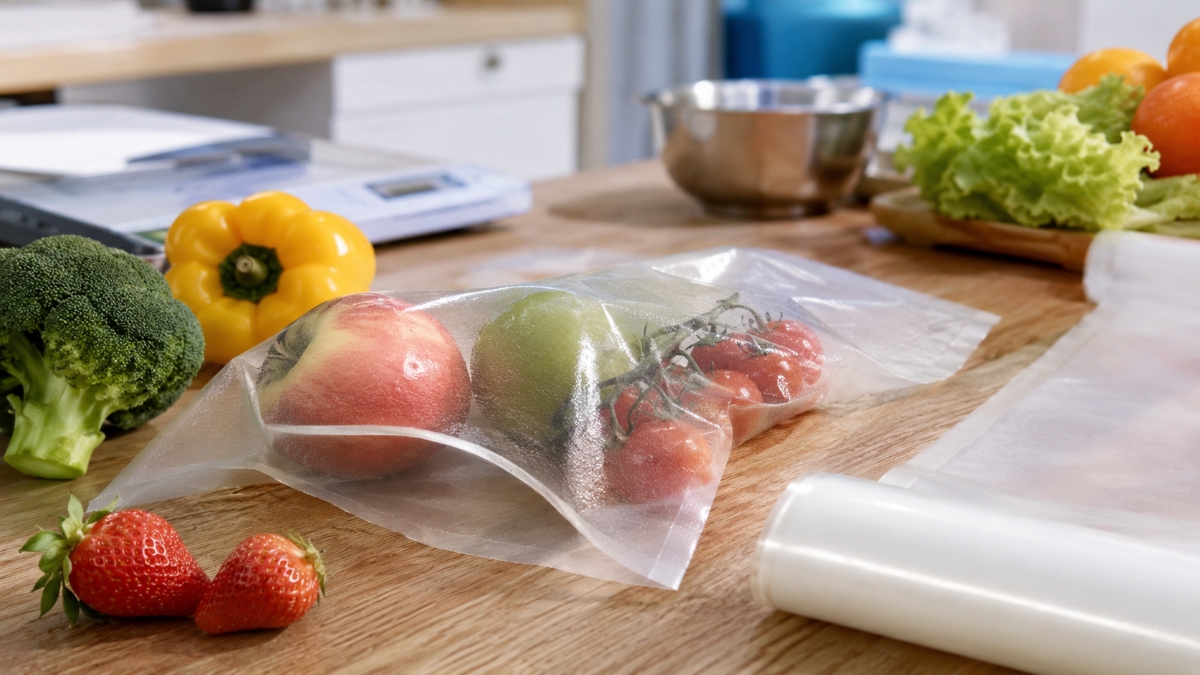
The short shelf life of fruits and vegetables remains a major challenge for the food industry, largely due to ongoing metabolic processes that continue after harvest. These losses have significant economic, environmental and food security implications worldwide.
Conventional petroleum-based packaging has long been used to protect fresh produce, but these materials function as passive barriers that do not adapt to the changing physiological conditions of fruits and vegetables. In addition, their environmental impact continues to raise sustainability concerns.
Protein-based films have emerged as a promising alternative because they are biodegradable, biocompatible and capable of carrying bioactive compounds that help preserve fresh produce. These substances can inhibit microbial growth and slow physiological deterioration, extending shelf life and reducing food waste.
A key challenge, however, is preventing the premature release of active compounds, which may lead to undesirable flavor changes and potential health concerns. As a result, researchers are developing responsive systems that release bioactive ingredients only when triggered by specific storage conditions.
The review explores the structural and compositional modifications that enable controlled release mechanisms, while also examining how proteins can act as carriers for natural and synthetic indicators used in intelligent packaging. Such systems can provide real-time information on product quality and storage conditions throughout the supply chain.
According to the authors, future developments should focus on scalable manufacturing technologies capable of producing multi-responsive protein films. These advanced packaging solutions could enhance fruit and vegetable quality, reduce postharvest losses and support more sustainable food preservation systems.
Source
Ziaeifar, L., Krishka, M., Mallillin III, M. C., Salami, M., & Serpe, M. J. (2026). Stimuli-responsive protein-based films for postharvest preservation of fruits and vegetables. International Journal of Biological Macromolecules. Science direct.
Related news

Interpoma Congress to analyse key technologies and markets for the future of apples