News
Physiological and Metabolomic Defense Responses of Passion Fruit Against Postharvest Fungi and Epidermal Wax Changes
This study analyzes how passion fruit responds to fungal infections during postharvest. It identifies new pathogens and changes in wax structure and metabolites. Findings support the development of natural antifungal treatments.
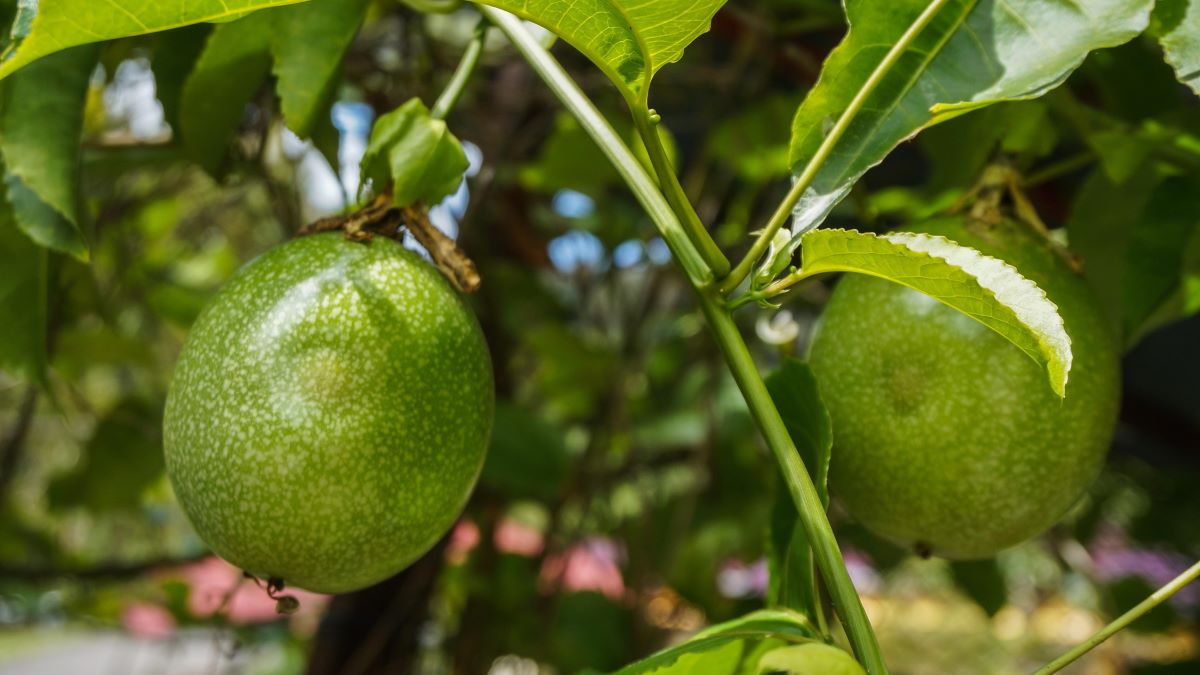
Postharvest diseases significantly affect the economic value of passion fruit (Passiflora edulis Sims). Understanding the physiological and metabolic changes induced by pathogenic fungi is essential for developing effective biocontrol strategies.
This study identified seven pathogenic fungi associated with passion fruit rot using molecular techniques. Notably, Schizophyllum commune and Trichoderma atroviride were reported for the first time as causative agents of postharvest rot in passion fruit.
Fungal infection significantly increased defense enzyme activity and elevated malondialdehyde (MDA) and proline levels. Analyses using scanning electron microscopy (SEM), gas chromatography-mass spectrometry (GC-MS), and liquid chromatography-tandem mass spectrometry (LC-MS) revealed that infection alters the structure and composition of epidermal waxes.
In particular, Trichoderma atroviride enriched metabolites in linoleic acid, glycerophospholipid, and ascorbate metabolic pathways, leading to a significant accumulation of bioactive compounds such as delphinidin chloride, sakuranetin, and others.
These findings provide new insights into the development of natural antifungal agents for postharvest disease control.
Source
Ran, L., Wang, J., Zhu, B., Lu, Z., Chen, C., Chen, D., Yang, J., Liu, P., Sun, H., & Zheng, X. (n.d.).
Physiological and metabolomic insights into passion fruit defense against postharvest fungi: Cuticular wax alterations and bioactive compound accumulation. ScienceDirect.
https://www.sciencedirect.com/science/article/pii/S2666154326003145
Related news