Phytosanitaries
Cold treatment emerges as a sustainable solution to protect dried fruits after harvest
A new study shows that short-duration cold treatments can effectively eliminate two major stored-product pests without affecting the nutritional, sensory or antioxidant quality of dried fruits. The findings support cold treatment as a sustainable alternative to chemical postharvest pest control
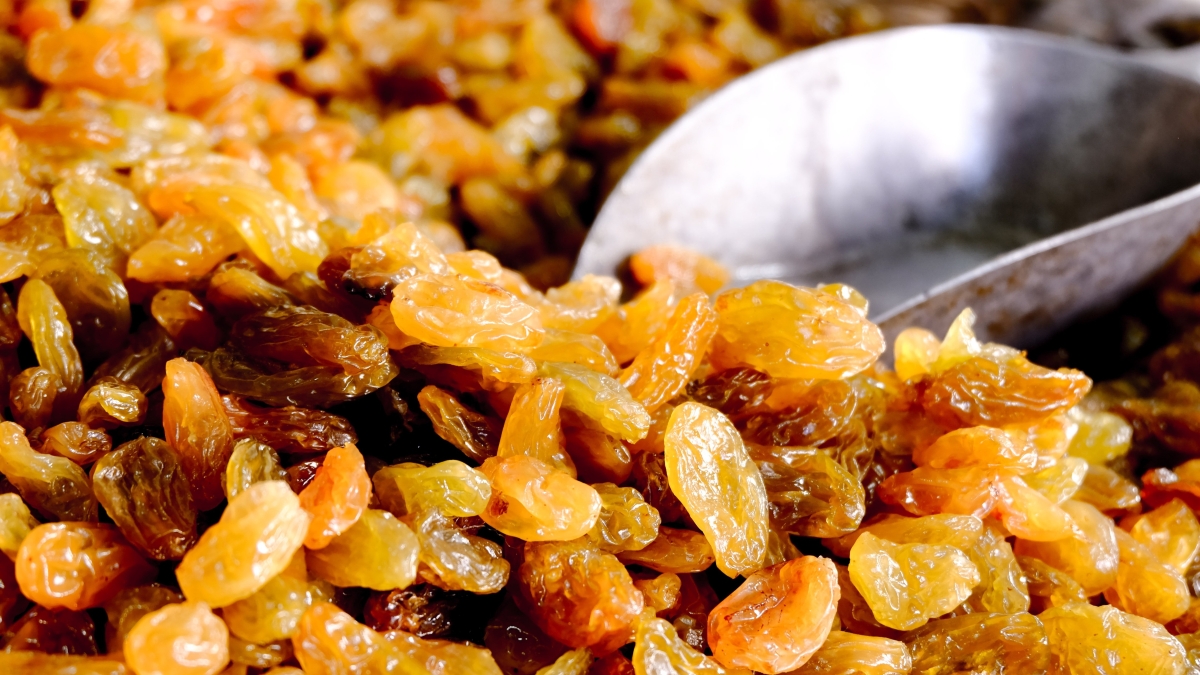
Controlling insect pests in stored products remains one of the main challenges for the food industry, particularly as demand grows for sustainable alternatives that reduce the use of chemical treatments. A new study has evaluated cold treatment as a postharvest pest control strategy for dried fruits, demonstrating that it can ensure both phytosanitary protection and product quality preservation.
The research assessed the effects of short-term cold exposure on two of the most important stored-product pests, Oryzaephilus surinamensis and Plodia interpunctella. Trials were carried out using three commercially important dried fruit commodities: Corinthian currants, Turkish figs and Medjool dates.
Sub-zero temperatures eliminate pests and prevent reproduction
Researchers exposed insects to temperatures ranging from 5 °C to −15 °C for different periods in order to identify the most efficient temperature–time combinations capable of minimising energy consumption while maintaining treatment efficacy.
The results showed that exposure to −15 °C or lower for at least two hours was sufficient to achieve complete mortality in both insect species and prevent further reproduction. The study also found that Plodia interpunctella was more susceptible to cold than Oryzaephilus surinamensis, particularly under sub-zero conditions.
In addition, insect reproductive activity varied depending on the dried fruit commodity, suggesting that the food substrate may influence cold tolerance and post-treatment recovery.
Product quality remains unaffected
One of the study's most significant findings was that cold treatment had no adverse effects on dried fruit quality. Chemical analyses confirmed that nutritional value, antioxidant content and sensory characteristics remained unchanged in the treated currants, figs and dates.
These findings reinforce the potential of cold treatment as a sustainable preservation technology capable of controlling insect pests without leaving chemical residues while maintaining the commercial quality of dried fruits.
A sustainable strategy for postharvest preservation
According to the authors, cold treatment represents an effective and energy-efficient alternative for postharvest pest management in dried fruits. Besides ensuring complete disinfestation, the technology preserves product quality, making it a promising solution for the postharvest industry and integrated pest management programmes.
Source
Gourgouta, M., Gerogianni, V.-E., Sakka, M. K., Boskou, G., Chiou, A., Karathanos, V. T., & Athanassiou, C. G. (2026). Cold treatment as a sustainable postharvest method to control two major stored-product pests and quality preservation in Mediterranean dried fruits. Journal of Stored Products Research. https://www.sciencedirect.com/science/article/pii/S0022474X26001712
Related news
Europe’s potato industry turns to efficiency to tackle the market’s new challenges