Phytosanitaries
Probiotics emerge as a new approach to postharvest anthracnose control
A review published in Probiotics as Antifungals examines the potential of probiotic microorganisms to control anthracnose in fresh fruit and vegetables after harvest
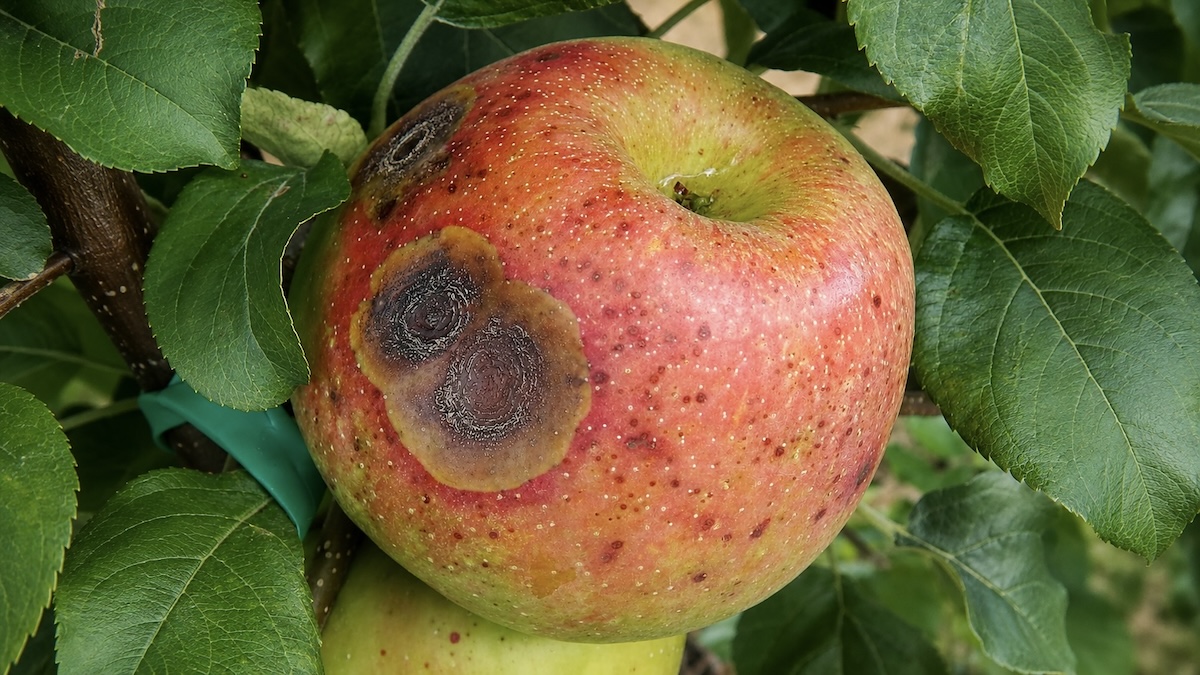
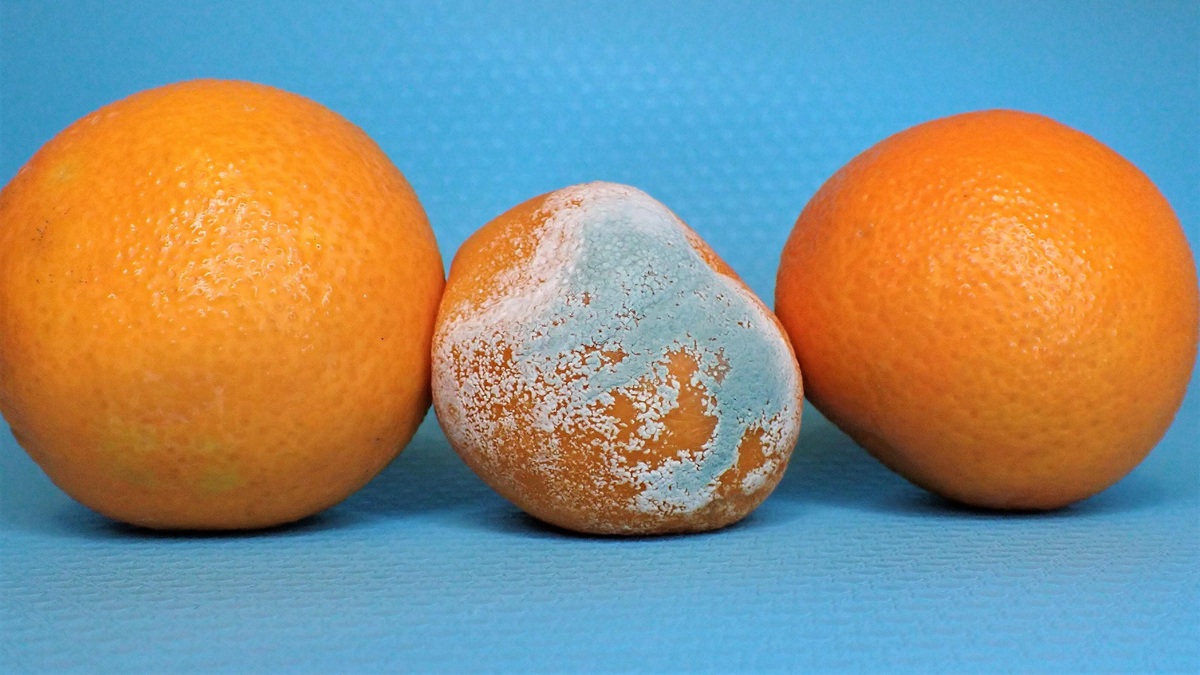
Postharvest diseases remain a major challenge during the handling and storage of fresh fruit and vegetables, as they directly affect product quality, appearance and marketability. Anthracnose is among these diseases and is caused by Colletotrichum fungi, which produce lesions that can compromise the appearance and edibility of affected commodities.
Against this background, the chapter “Probiotics: An Innovative Approach to Combat Postharvest Anthracnose”, published in July 2026 as part of the book Probiotics as Antifungals, reviews advances in the use of probiotics as biological control tools against this disease.
Microorganisms with antifungal activity
The chapter explores probiotics as potential biofungicides capable of limiting anthracnose development in fruit and vegetables.
One of their proposed mechanisms is the production of antimicrobial compounds, which can hinder the development of disease-causing microorganisms. Probiotics can also compete with pathogens for available nutrients and space on the surface of fresh produce, making colonisation more difficult.
Supporting the fruit's own defence mechanisms
The potential of this approach does not rely solely on the direct action of beneficial microorganisms. The review also highlights the ability of probiotics to activate plant defence mechanisms, providing an additional pathway for restricting disease development.
The combination of these mechanisms makes probiotics an interesting option for biological control of postharvest diseases, particularly as the sector seeks strategies that can reduce reliance on conventional antifungal solutions.
Potential applications in fresh produce
Interest in these approaches is also linked to concerns surrounding conventional antifungal treatments and their potential risks to human health and the environment, which have increased the search for safer and more sustainable alternatives.
The chapter reviews progress in using probiotics to control postharvest anthracnose and presents these microorganisms as an innovative approach to protecting fruit and vegetables during storage and handling.
This research forms part of a broader development of biological control agents for postharvest diseases. The chapter also references previous work involving microbial antagonists, lactic acid bacteria, yeasts and probiotic-based coatings for managing different diseases during storage.
Source
Wardana, A. A., Marcellino, V., Tanaka, F., & Tanaka, F. (2026). Probiotics: An innovative approach to combat postharvest anthracnose. In M. Y. Sreenivasa, D. B. V., C. R. A. Purushothama, & P. N. Achar (Eds.), Probiotics as Antifungals. Springer, Singapore. https://doi.org/10.1007/978-981-92-0002-3_4