
Wyma Solutions
Conditioning
The 2026 Heatwave Does Not Affect All Crops Equally
The 2026 heatwave is affecting European crops unevenly, with significant differences depending on the region and type of crop. This variability is also reaching processing plants, where flexible production lines, water efficiency and automation are becoming increasingly important
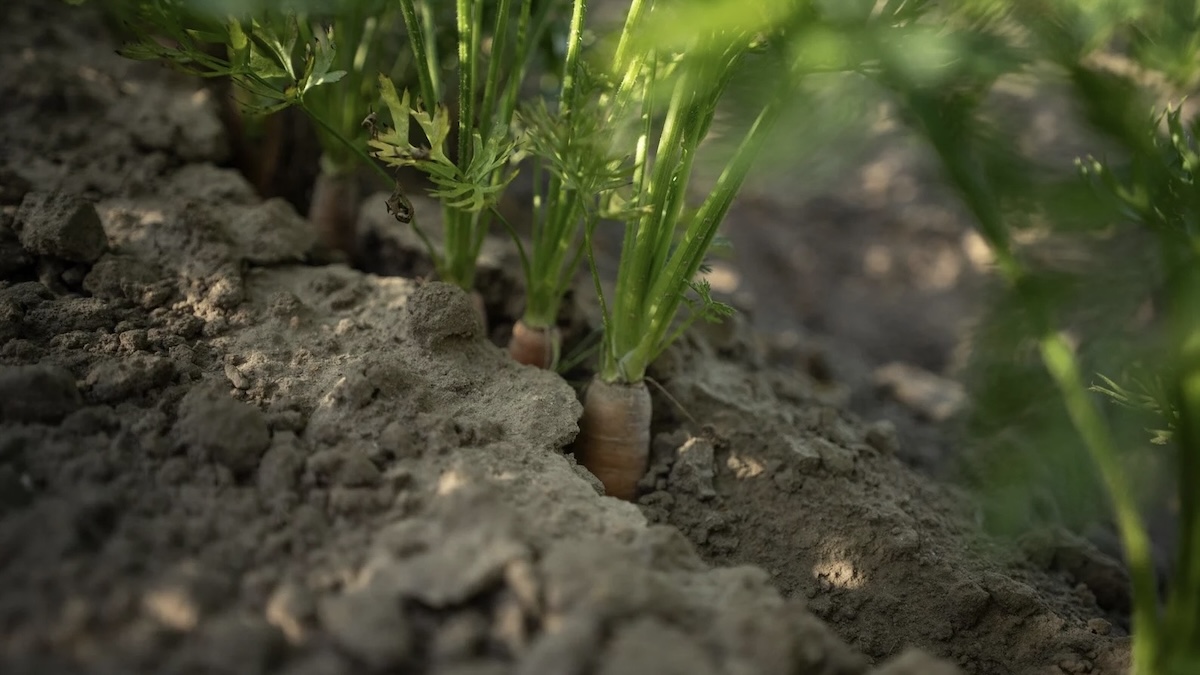
The summer of 2026 is highlighting an increasingly evident reality for European agriculture: there is no single impact associated with heatwaves.
Prolonged high temperatures and limited rainfall are putting crops, water resources and harvesting conditions under pressure across different parts of the continent. However, the consequences vary considerably depending on the region, crop and local conditions. While some growers are facing significant yield losses, others are seeing their crops demonstrate greater resilience.
For the vegetable processing industry, these differences do not end in the field. The raw material arriving at processing facilities can vary considerably depending on its origin, the growing season and the conditions under which it has developed.
A Summer Defined by Sharp Contrasts
The European Commission’s Joint Research Centre (JRC) warned in July that repeated heatwaves and limited rainfall had reduced soil moisture across several areas of Western and Central Europe. Summer crops are among those most affected, particularly in regions where access to irrigation is limited or soil moisture reserves have already been depleted.
The effects, however, are far from uniform
In Austria, an exceptionally hot and dry summer is placing significant pressure on agriculture. Cereals and maize are among the crops facing difficult conditions, while carrots have performed relatively well. The contrast highlights how the same weather pattern can have very different consequences depending on the crop.
In the Netherlands, one of Europe’s leading potato-producing regions, some growers are facing lower yields as drought and irrigation restrictions put additional pressure on crops.
The difference between these situations is particularly relevant for the food processing industry: the impact of climate may be local, but its consequences can travel throughout the entire supply chain.
When Variability Reaches the Processing Line
The effects of a challenging growing season do not disappear once crops are harvested. For vegetable processors, greater variability in the field can translate into changes in the characteristics of the raw material entering the plant.
Size, moisture, soil load, quality and uniformity can vary significantly between crops from different regions or even between individual fields. This requires processing lines to maintain consistent performance even when the incoming product does not always meet the same conditions.
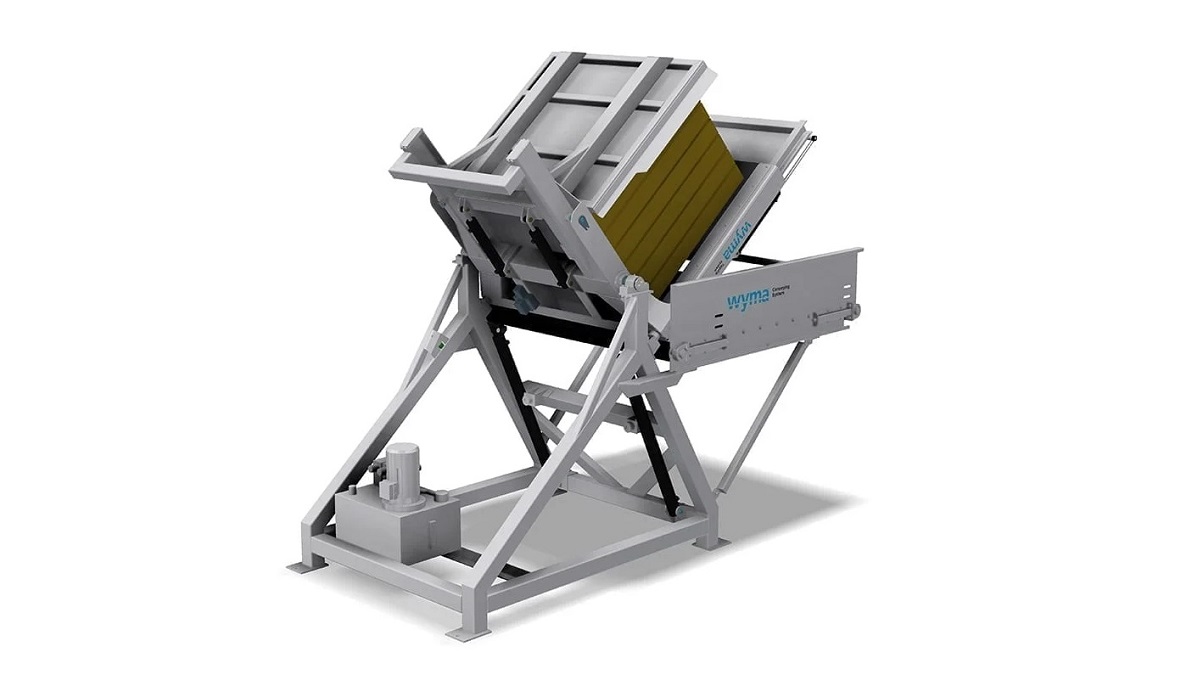
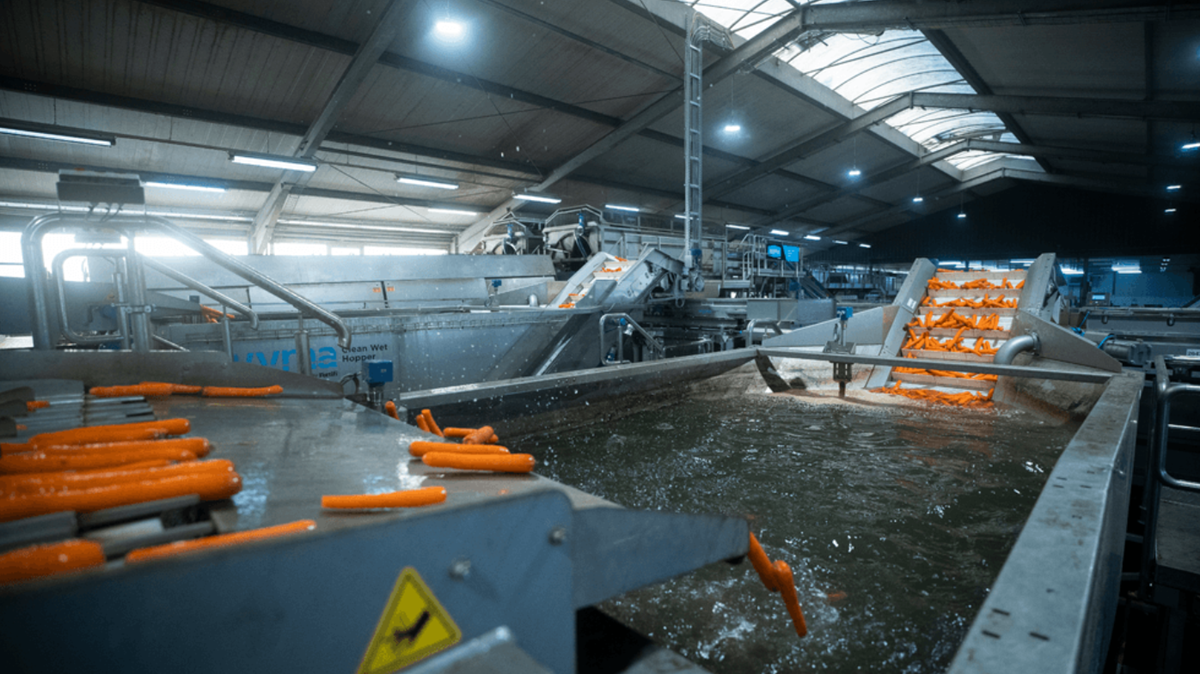
This is already one of the challenges identified by Wyma, whose customers work with crops from different growing areas and therefore face variations in factors such as soil type, disease pressure and the amount of soil carried with the product.
In this context, flexibility is becoming less of a secondary advantage and more of an operational necessity. A line designed to operate only under ideal conditions may struggle when crop characteristics change. By contrast, systems capable of adapting to variations in the product and throughput can help processors cope with an increasingly unpredictable growing season.
Water Becomes an Increasingly Strategic Factor
Heat and drought are also placing another resource at the centre of attention: water. The JRC has highlighted declining soil moisture and increasing water stress across several European regions this summer. At the same time, vegetable processing companies are facing growing pressure to reduce water consumption and manage wastewater more efficiently.
Water management, reuse and conservation are therefore becoming increasingly important for the sector. Water efficiency is no longer driven solely by environmental or regulatory objectives: it can also determine a processing plant’s ability to maintain efficiency and competitiveness over the long term.
Preparing for a Less Predictable Harvest
The 2026 season is once again highlighting a challenge that is likely to become increasingly important for vegetable processing: how to design operations capable of handling more variable raw materials.
Companies cannot control weather conditions, but they can determine how well their operations are prepared to absorb their consequences.
Key considerations include:
- The ability of processing lines to adapt to changes in incoming crop quality.
- Efficient removal of soil and other residues.
- Careful product handling to reduce losses and damage.
- Efficient water management, treatment and reuse.
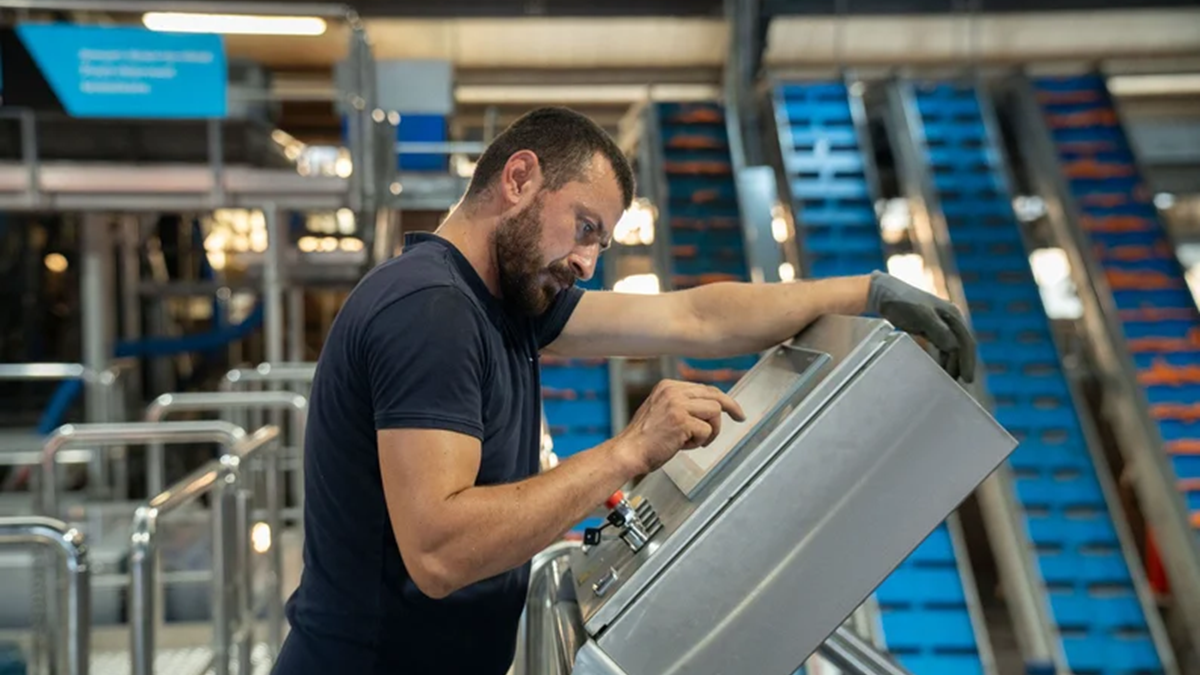
- The use of automation to maintain consistent performance.
- The ability to adapt equipment as production requirements change.
This approach is reflected in the development of Wyma’s processing solutions, which are designed around local conditions, individual crop characteristics, available space and each customer’s operational requirements.
Because if the summer of 2026 is demonstrating anything, it is that variability is no longer an exception in the field — and the processing industry needs to be prepared to manage it.
News of Wyma Solutions
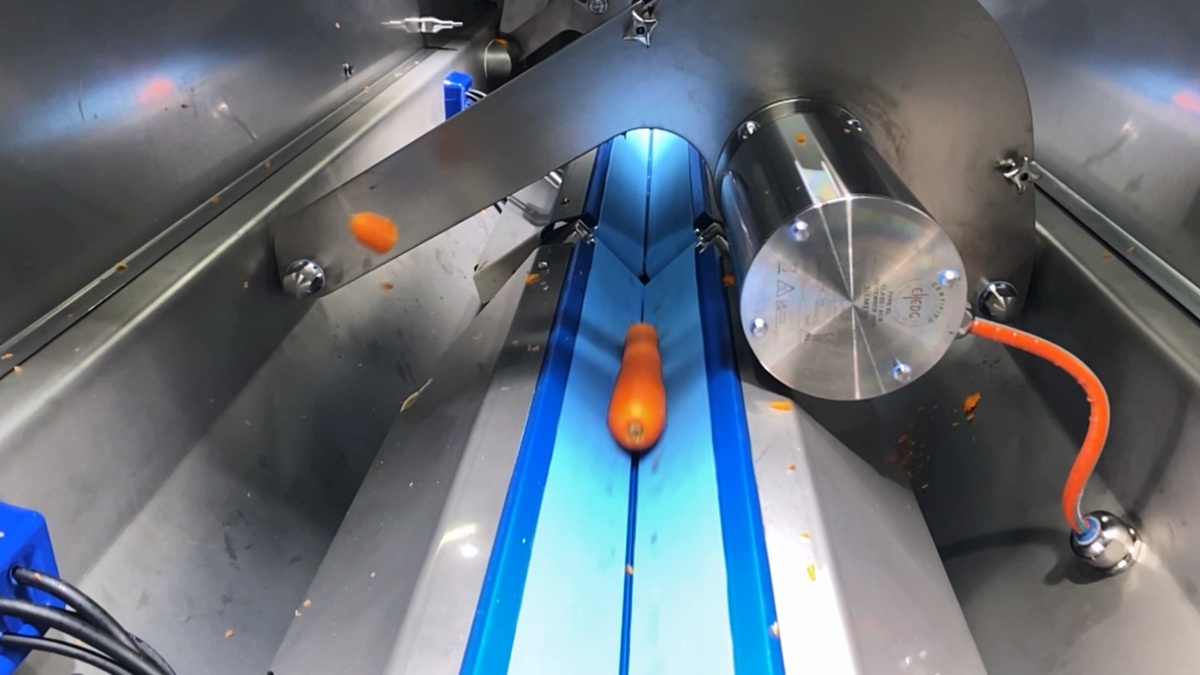
Sustainable industrial future through Wyma technological innovation
Wyma Solutions