
Wyma Solutions
Conditioning
Wyma outlines how to improve soil and stone removal from vegetable washing lines
The company examines operational issues affecting cleaning performance and recommends coordinating equipment from soaking through to packing
Soil and stones remaining on vegetable washing lines continue to pose a challenge for fresh produce packing facilities. Wyma Solutions explains that these residues are not always the result of insufficient washing. They can also stem from problems in earlier processing stages, excessive equipment loading or inadequate water management.
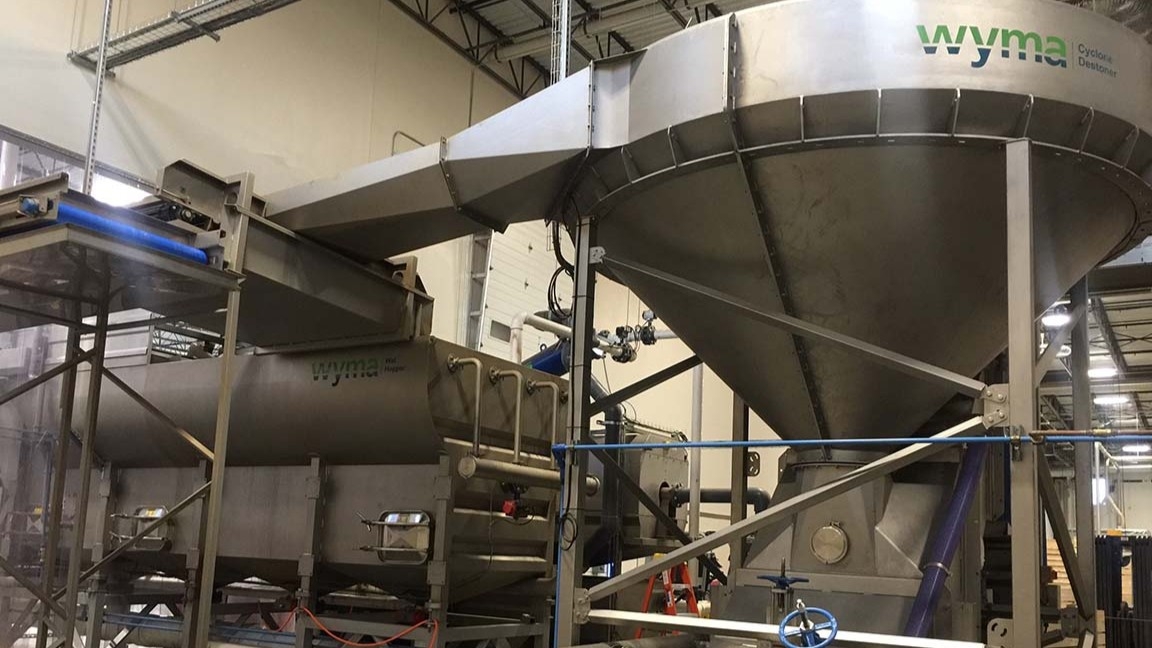
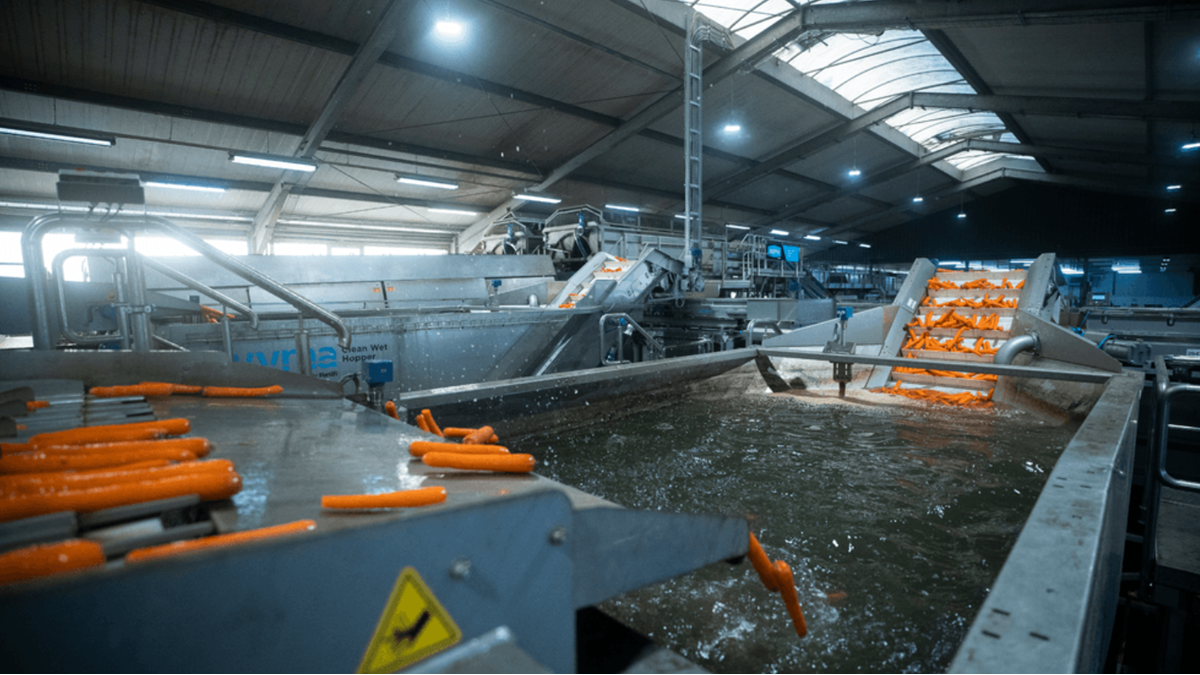
Soaking time is one of the factors that affects cleaning performance. When soil becomes compacted on the surface of root crops, particularly after storage or when harvested from heavy clay soils, it becomes more difficult to remove through mechanical washing alone. The company highlights the role of wet hoppers with air agitation, which help loosen soil before produce enters subsequent processing stages.
Destoning should take place before washing
Stones may continue along the line when separation equipment is incorrectly sized, configured or positioned. Wyma recommends removing them before washing to reduce the risk of damage to both produce and downstream machinery.
Stone shape also affects separation performance. Flat or irregular stones may require more settling time in water-based systems. In these cases, the company notes that Cyclone Destoners allow longer settling times, helping remove these materials more effectively.
Feed-rate control helps prevent inconsistent cleaning
Overloading washers and hoppers reduces the contact time between vegetables, water and cleaning surfaces. As a result, some soil may pass into subsequent processing stages. Wyma therefore emphasises the importance of regulating product flow and maintaining a consistent feed rate.
The company highlights its Evenflow hopper, which uses a sensor-controlled conveyor belt to stabilise the discharge rate. This helps match product flow to equipment capacity and allows each batch sufficient time for soaking and washing.
Water quality and line integration
Recirculated water that has not been adequately filtered can redeposit suspended solids on vegetable surfaces rather than remove them. Water treatment should therefore be matched to the volume used and the amount of waste generated by the process.
Wyma advocates an integrated design in which equipment operates in coordination, from receiving and soaking through washing, polishing and packing. According to the company, addressing the causes of contamination at the earlier stages helps deliver more consistent cleaning and reduce wear caused by stones.
The company concludes that better results do not necessarily require more aggressive mechanical action. Instead, each processing stage must be assigned the right function, product flow must be controlled, and water and waste must be managed effectively.
News of Wyma Solutions
Sustainable industrial future through Wyma technological innovation
Wyma Solutions