
Wyma Solutions
Conditioning
Bottlenecks can slow down the export expansion of horticultural product lines
Planning the entire line helps avoid downtime and losses while increasing exports.
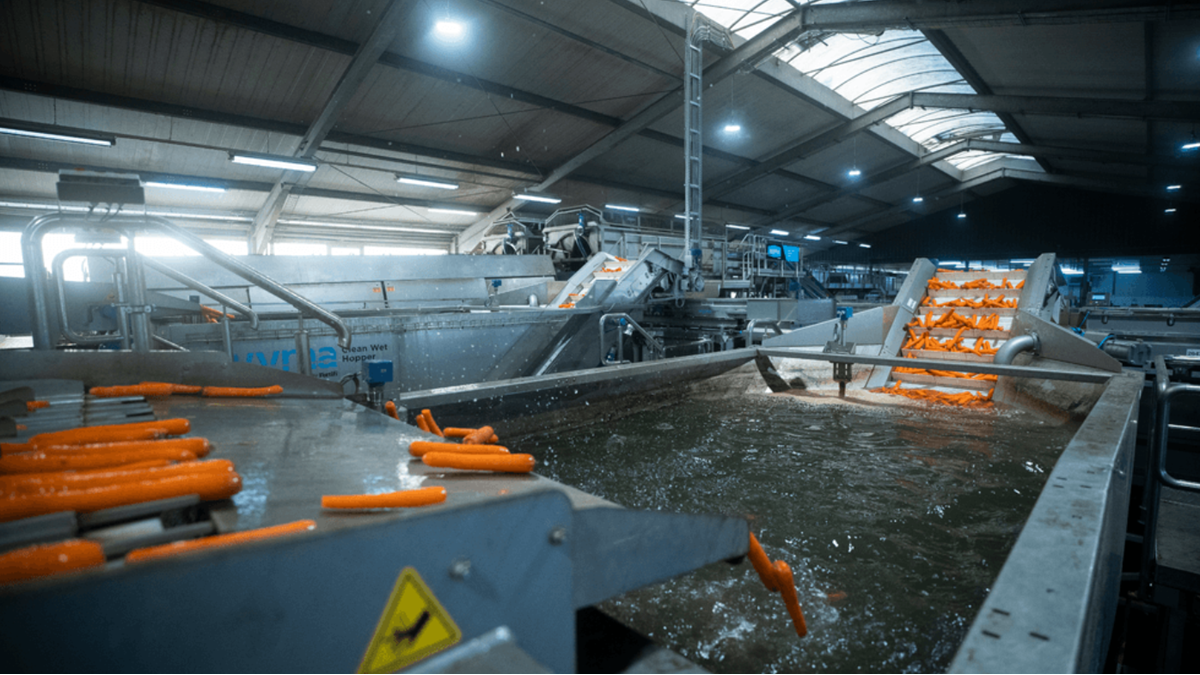
Rising export demand can put vegetable handling and processing lines to the test. A facility that performs well with local supply may fall short when faced with higher volumes, requirements for precise sizing and superior aesthetics, full traceability, and stricter cold chain standards.
The issue does not always lie with a single machine. A line loses momentum when one stage operates below the capacity required by the rest whether during receiving, washing, grading, manual inspection, packaging, or cooling. If product accumulates or moves unevenly, final quality can also suffer.
Delays in cooling reduce shelf life; inconsistent grading increases the risk of commercial rejection; and washing or polishing processes that fail to keep pace can limit the facility's total output. Therefore, expanding capacity requires analyzing the interplay between equipment, personnel, product flow, water usage, and plant layout.
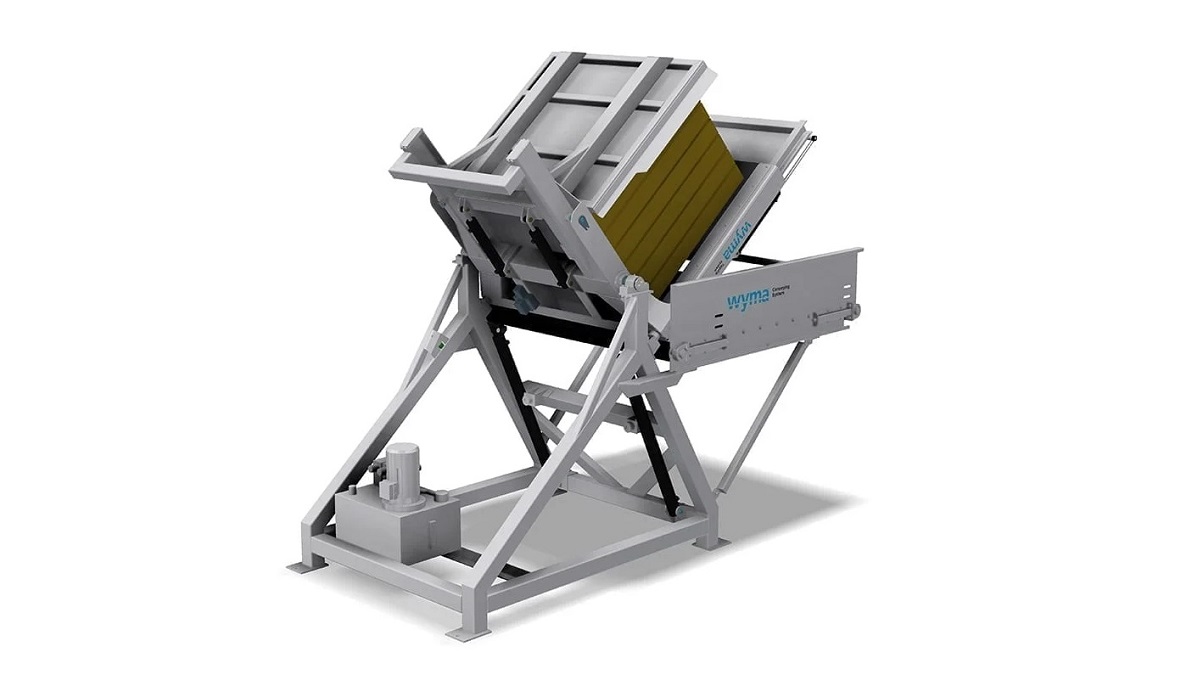
A technical guide published by Wyma Solutions identifies several key areas to review before scaling up a line for export. These include sizing the receiving area to handle peak harvest volumes, synchronizing washing and grading with target speeds, and ensuring that packaging and cooling stations can handle the full production output. The guide also recommends designing for future expansion such as adding grading lanes or parallel equipment from the outset. Read the full technical guide on scaling up vegetable lines for export.
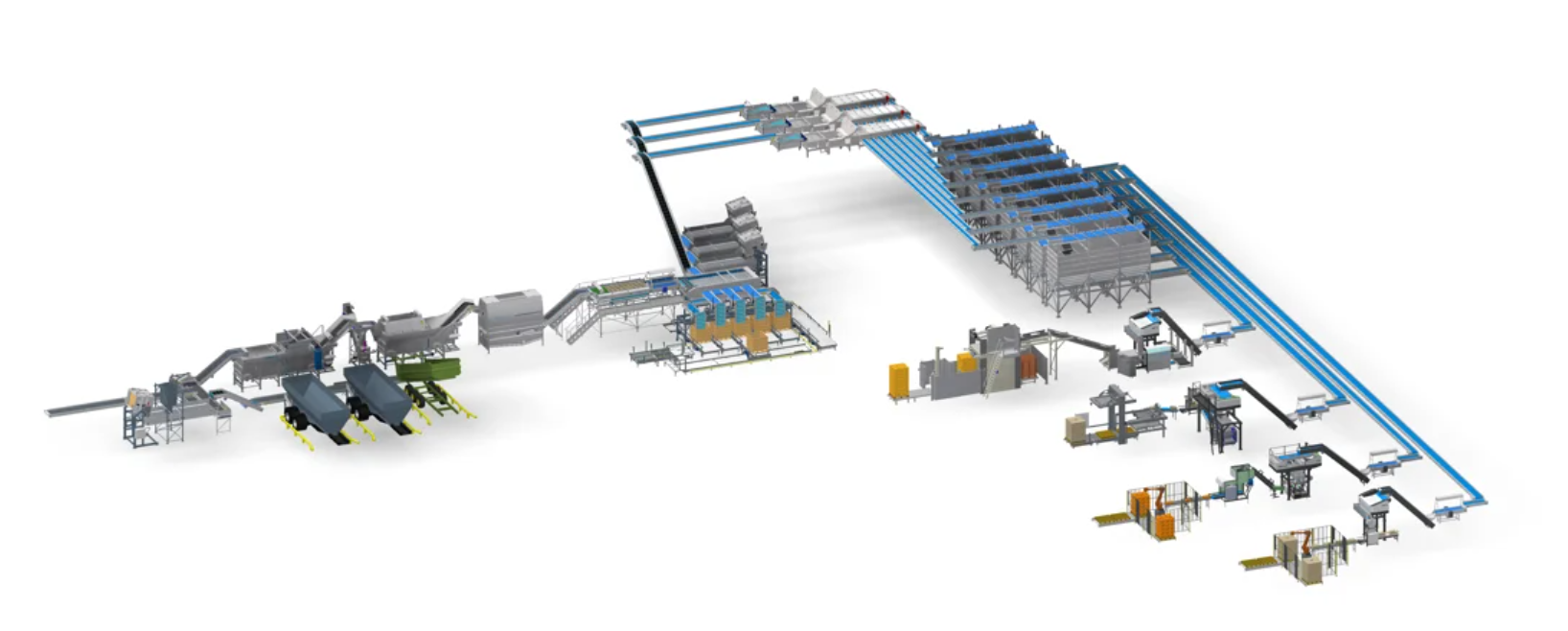
Automation can help when manual inspection, trimming, or packaging limits throughput, while buffer systems help absorb fluctuations in product inflow. Water and waste management systems must also be sized for the projected volume; increasing production without expanding filtration and recirculation capacity can create a new bottleneck.
Planning the entire line makes it possible to identify constraints before they impact the season's operations. For produce facilities looking to expand into international markets, aligning each stage with target volumes can improve operational continuity, safeguard quality, and prevent the capacity of a single area from limiting the facility's overall throughput.
News of Wyma Solutions
Sustainable industrial future through Wyma technological innovation
Wyma Solutions