
Wyma Solutions
Conditioning
Wyma examines ways to reduce labour costs in postharvest processing
The company outlines ways to balance processing stages, automate repetitive operations and improve workforce efficiency in produce packing facilities
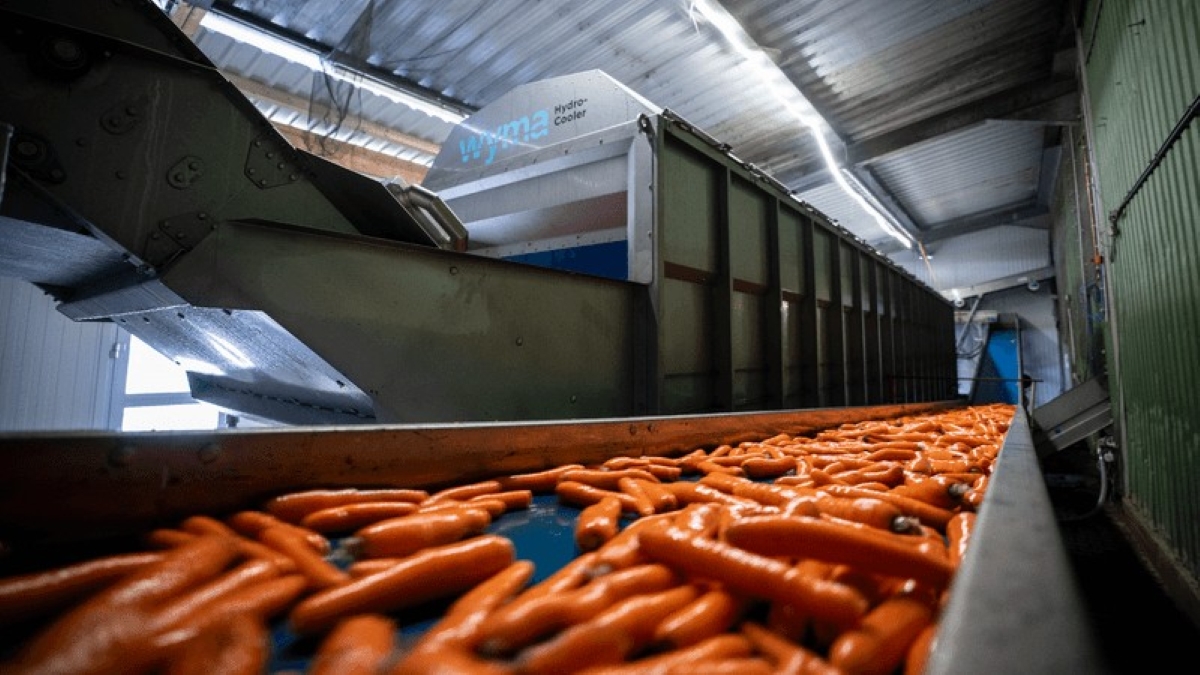
Labour costs account for a significant share of operating expenses in postharvest processing facilities. In lines handling root crops and other vegetables, staffing requirements depend not only on throughput, but also on equipment layout, coordination between processing stages and the level of automation.
Wyma Solutions examines these issues in an analysis of the factors affecting labour requirements in packing facilities. The company notes that limited seasonal labour availability and rising wages are increasing interest in solutions that maintain processing performance while reducing the need for manual intervention.
Inspection, packing and cleaning account for much of the work
Inspection tables and manual grading stations often require a substantial number of workers. Staff inspect produce for defects, damage and size variations. As processing speeds increase, more workers may be needed to maintain quality standards.
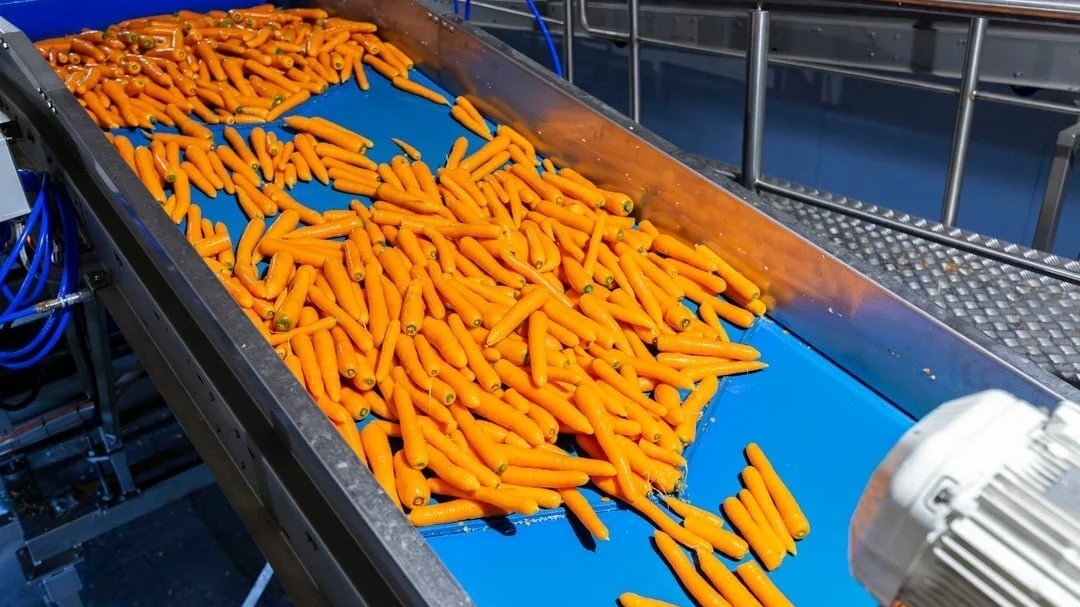
Manual packing and palletising are other labour-intensive stages. Wyma reports that certain manual packing operations for carrots and parsnips may require three to four workers per packing table. Cleaning, soil removal and waste management add further labour hours, particularly when water-treatment systems are not properly integrated into the line.
A balanced processing line reduces manual intervention
Equipment layout and sequencing directly affect operational efficiency. When machines have different processing capacities or produce accumulates between stages, workers may need to regulate product flow and resolve bottlenecks.
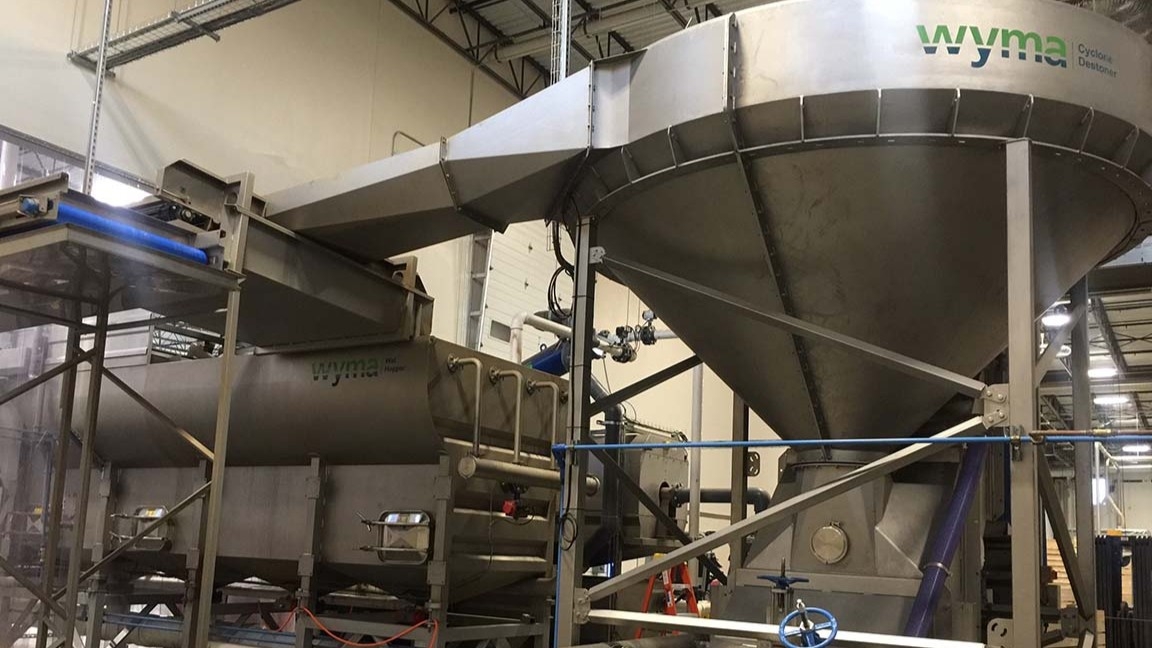
Wyma emphasises the importance of coordinating receiving, washing, polishing, sizing and packing. One example is its Evenflow hopper, which uses sensors and a conveyor belt to maintain a more consistent product discharge and reduce the need for manual adjustments between washing and grading stages.
The physical layout also matters. Compact, logically organised configurations can reduce staff movement between inspection, packing and waste-removal areas, making better use of working time.
Automating grading and trimming
Optical grading is one of the technologies Wyma identifies as a way to reduce reliance on manual inspection. The company highlights the Flikweert Quality Grader, which analyses product images against defined quality parameters. This allows workers to focus on cases requiring intervention rather than manually checking the entire output.
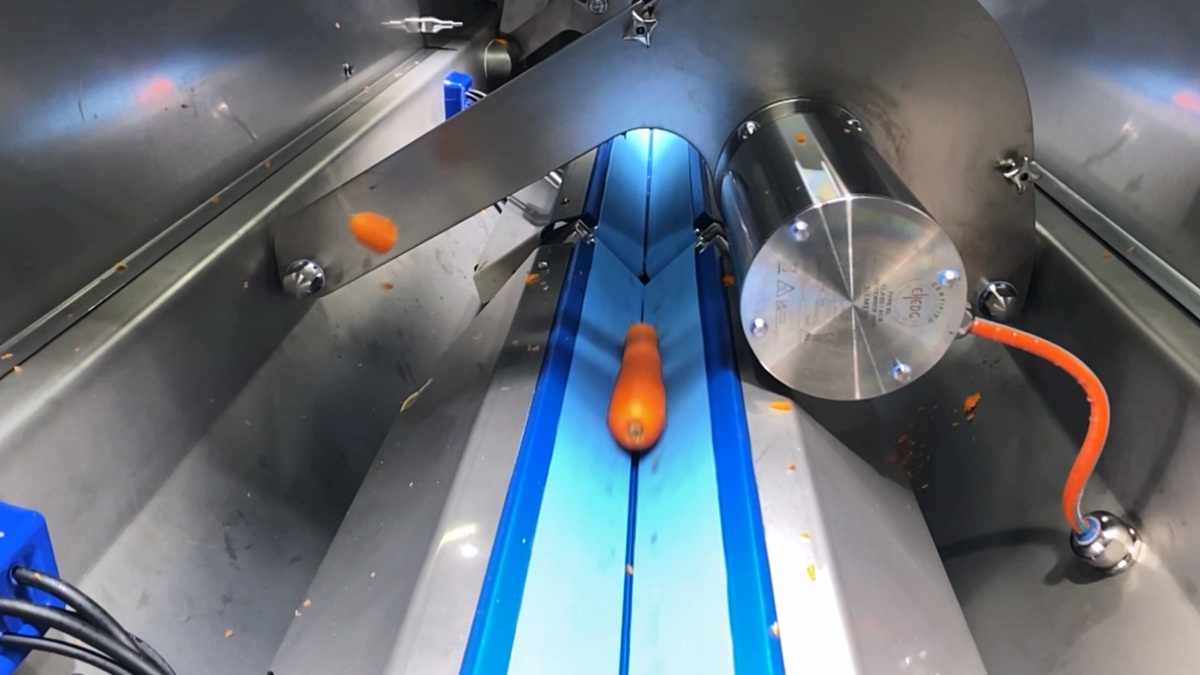
Another application is the Vege-Trimmer optical trimmer, designed to automate the removal of foliage, tips and tops from carrots and parsnips using optical measurements. According to Wyma, the technology can reduce manual trimming requirements and limit product losses caused by excessive cutting.
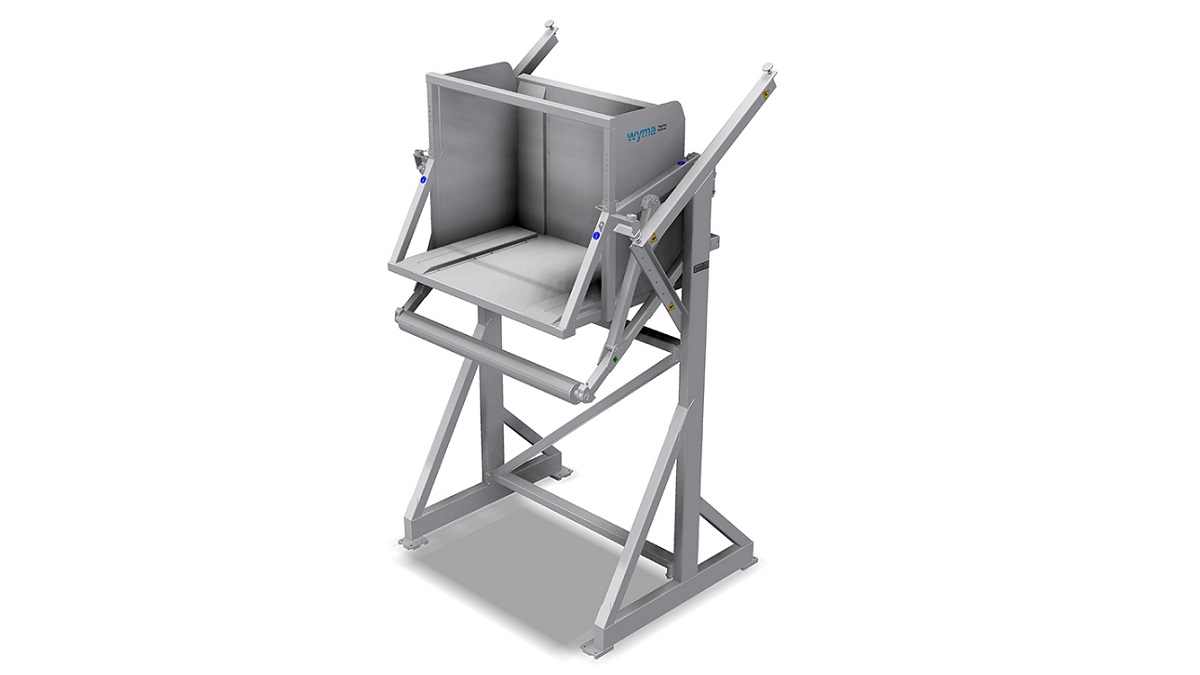
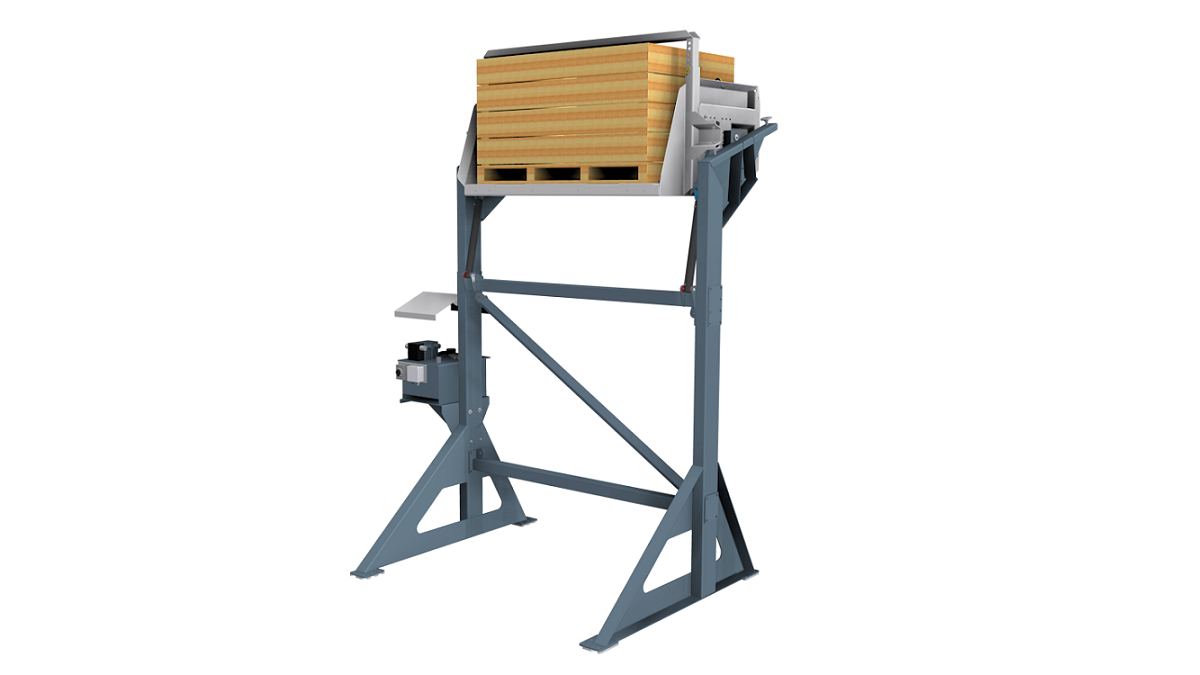
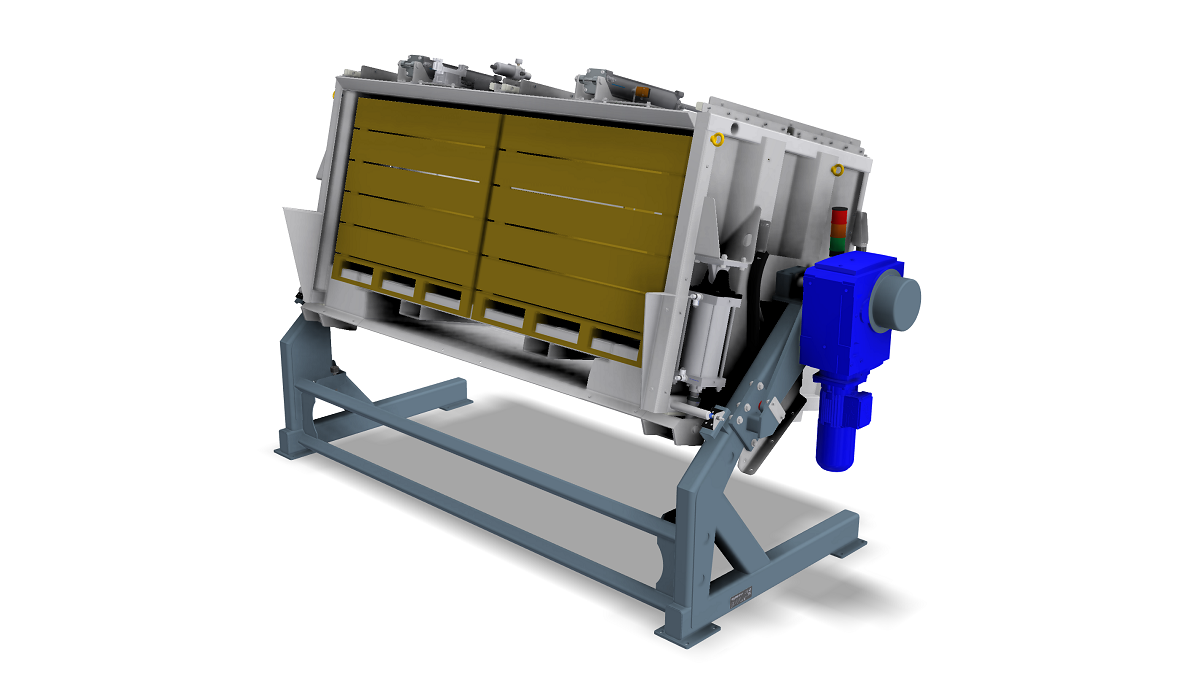
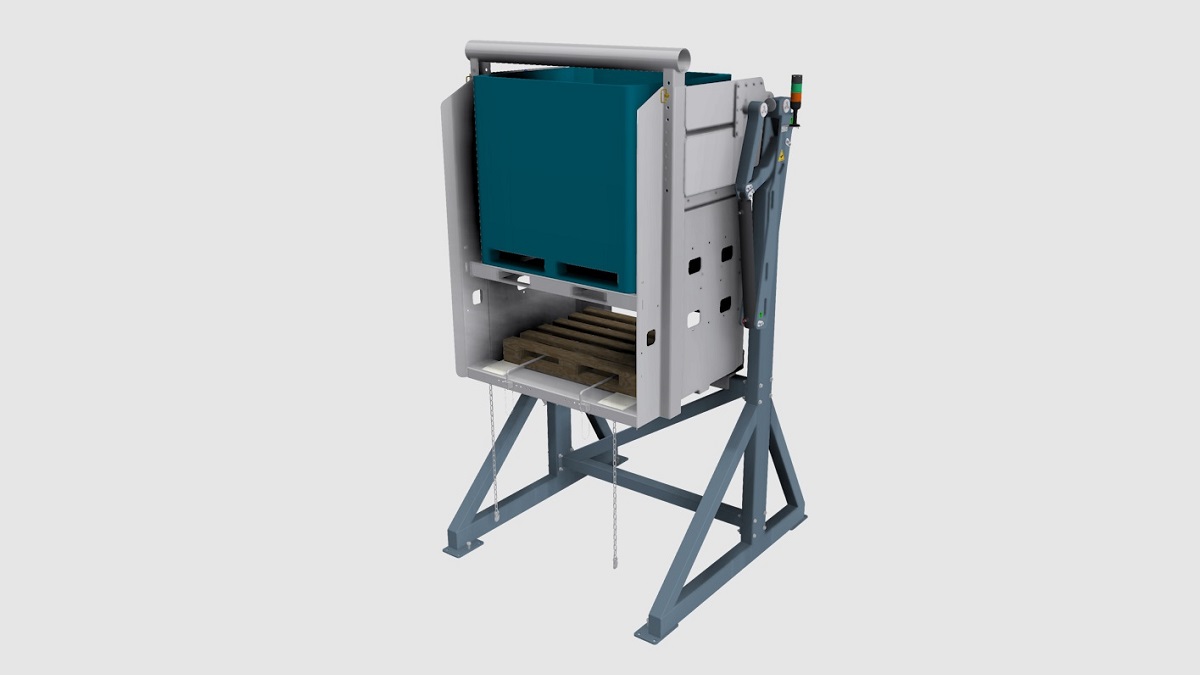
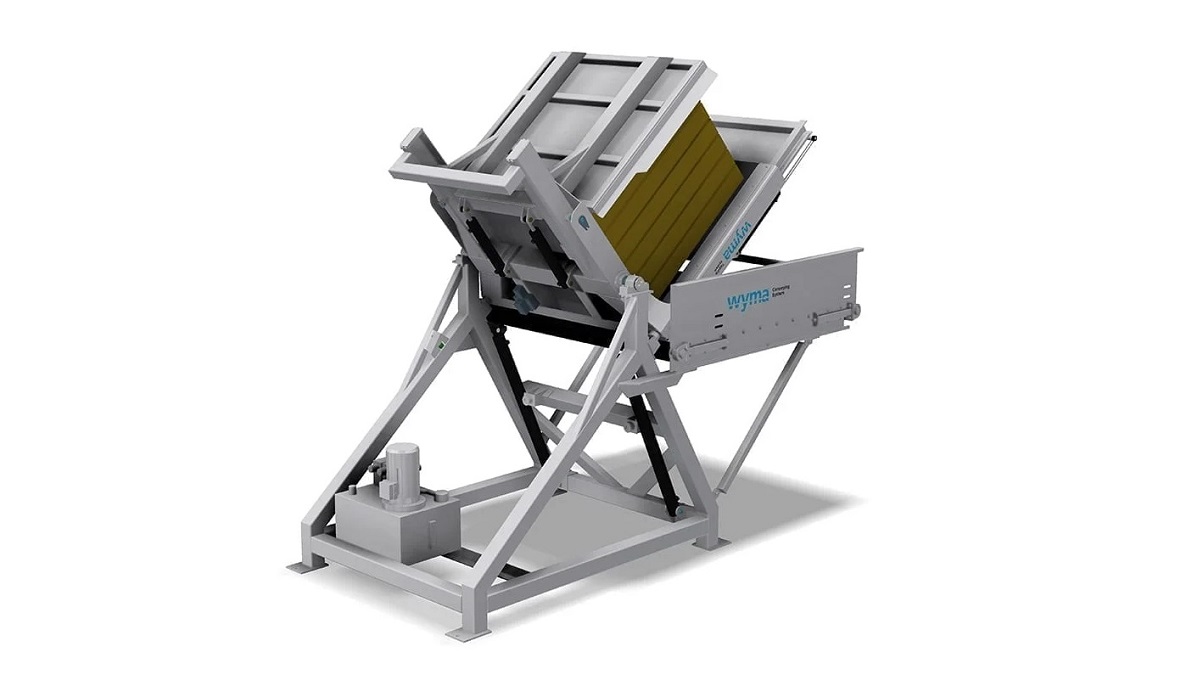
Sensor-based flow control, variable-speed conveyors and automatic bin tippers can also reduce the need for continuous supervision and help keep the line operating consistently.
Water and waste management also affect labour costs
Labour costs extend beyond tasks directly involving produce. Cleaning sumps, removing soil and maintaining water quality can create additional workloads when appropriate treatment and waste-management systems are not in place.
Wyma reports that its three-stage water-recycling systems have achieved reductions of up to 70% in freshwater consumption at operating facilities, although results depend on the crop, throughput and installation configuration. The company also highlights solutions designed to separate settleable solids and make them easier to remove.
Assess the line before investing
Before adding new equipment, Wyma recommends conducting a stage-by-stage labour audit, recording staffing levels at each point and identifying repetitive tasks and areas where produce accumulates. This can help determine whether staffing requirements reflect genuine process needs or problems with equipment design and coordination.
The company offers line-design and review services to identify potential improvements through equipment-layout changes, automation and better alignment of processing capacities.
Wyma’s approach is that reducing labour costs is not simply a matter of cutting staff numbers. It involves designing processes that require fewer manual interventions to achieve the intended throughput while maintaining product quality.
News of Wyma Solutions
Sustainable industrial future through Wyma technological innovation
Wyma Solutions