News
Postharvest deterioration and preservation technologies in litchi production
Litchi production faces severe postharvest losses due to browning, decay, and environmental stress. Current preservation methods show limited commercial scalability. This review analyzes mechanisms of deterioration and evaluates existing technologies. It proposes sustainable strategies for improving postharvest management
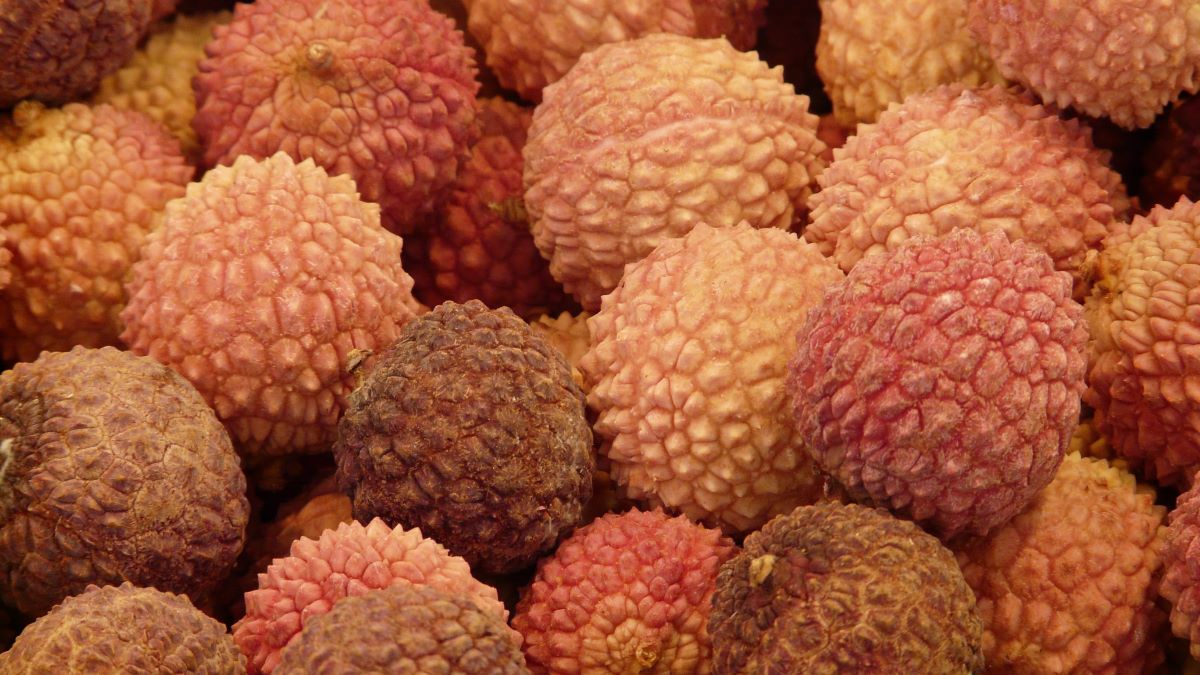
China is the world’s largest producer of litchi, with the highest cultivation area and global yield, making it an economically significant fruit crop. However, the litchi industry suffers major postharvest losses caused by multiple biological and environmental factors, such as a short and concentrated harvest period under high temperature and humidity, rapid pericarp browning, and high susceptibility to microbial decay.
These issues significantly reduce shelf life, lower marketability, and limit the sustainable development and value-added potential of the sector. Despite more than five decades of research on postharvest preservation, scalable and commercially viable integrated solutions are still limited.
This review systematically compiles recent advances in the physiological and biochemical mechanisms underlying postharvest deterioration in litchi. It also critically evaluates current preservation technologies, including physical, chemical, biological control, and packaging strategies, highlighting their effectiveness, limitations, and practical applicability. In addition, it identifies key barriers to commercialization such as economic constraints, regulatory challenges, and gaps in technology transfer.
Finally, it proposes innovative and sustainable strategies to address these limitations, focusing on emerging technologies, environmentally friendly preservation methods, and integrated supply chain approaches. These insights provide a theoretical basis for developing next-generation preservation protocols and supporting the global advancement of the litchi industry.
Source
Liang, M., He, Z., Xiao, S., & Meng, X. (2026). Unraveling the mechanisms and technologies to combat postharvest deterioration in litchi: A comprehensive review. Postharvest Biology and Technology.