News
Postharvest drying as key factor in aflatoxin control in stored hazelnuts
Hazelnut safety is threatened by Aspergillus flavus and aflatoxin contamination. A three-year study showed that drying method is the main factor affecting fungal growth. Proper drying significantly reduces contamination regardless of storage conditions. Efficient postharvest drying is essential for food safety
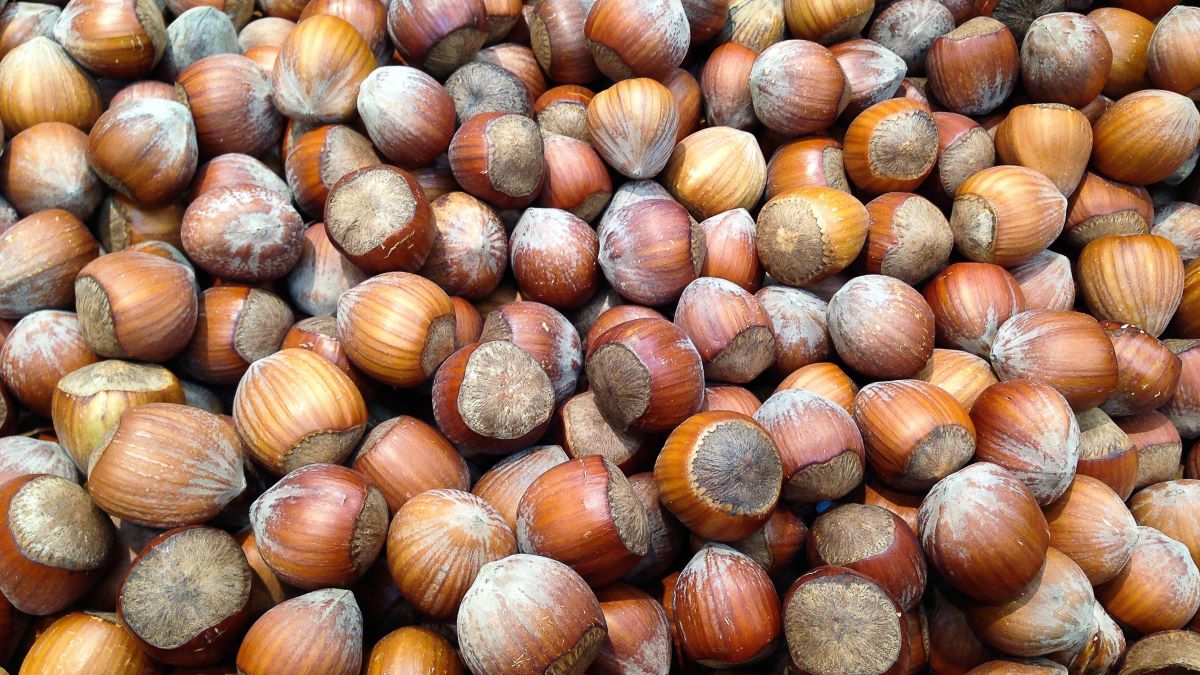
Hazelnut (Corylus avellana L.) is an important crop in the Caucasus region, but its safety is frequently compromised by colonization of Aspergillus flavus and subsequent aflatoxin contamination. Although aflatoxins are strictly regulated in the EU, the role of postharvest practices in fungal persistence and toxin accumulation is still not fully understood.
A three-year study was conducted to assess the impact of drying methods, storage temperature, and conservation conditions on fungal growth and aflatoxin presence in hazelnuts from three regions of Azerbaijan. Freshly harvested nuts were exposed to two drying strategies: proper drying (sun-exposed, regularly mixed, and protected from rewetting) and improper drying (shaded, piled, and rewetted). After drying, samples were stored either at cold temperatures (8–10 °C) or at room temperature (18–22 °C). Fungal load was evaluated through CFU counts combined with morphological and qPCR identification of Aspergillus section Flavi. Aflatoxins were measured using HPLC, while water activity was monitored during storage. Drying proved to be the most critical factor affecting contamination levels: improper drying led to significantly higher fungal loads, with A. flavus reaching up to 1.3 log10 CFU/g compared to 0.8 log10 CFU/g under proper drying, corresponding to a sevenfold increase.
In contrast, storage temperature and shell condition had minimal influence when drying was adequate. Aflatoxin levels in properly dried and traced samples remained below the EU limit of 5 µg/kg for AFB1, whereas market samples occasionally exceeded 450 µg/kg.
These results demonstrate that drying efficiency is the primary factor determining fungal persistence and aflatoxin risk in hazelnut postharvest management.
Source
Casu, A., Chiusa, G., Zagottis, E., Genova, G., & Battilani, P. (2026). Effect of post-harvest management on Aspergillus flavus growth and aflatoxin contamination of stored hazelnuts. Toxins, 18(1), 38