Processing
Metabolic responses in apples to postharvest fungi with biomarker identification
The study analyzes how different fungal infections in apples affect their metabolism during postharvest handling, identifying patterns that allow pathogen differentiation and proposing useful biomarkers to improve quality control in the fruit processing industry
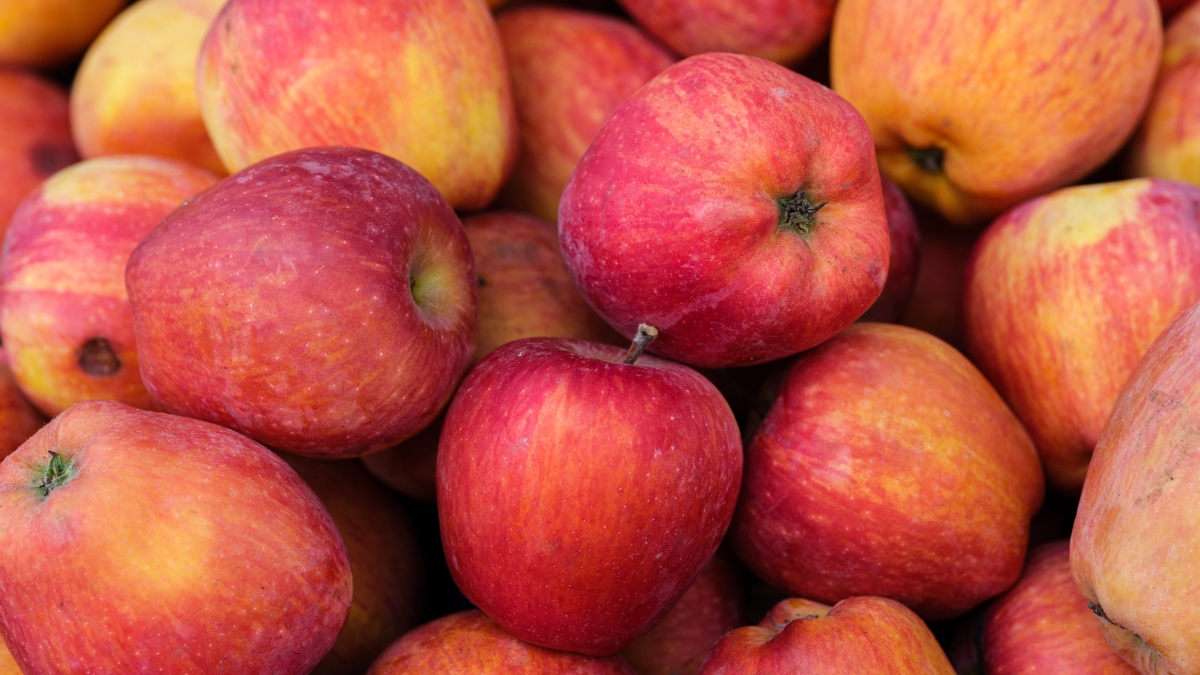
The study examines the metabolic responses of apples to postharvest fungal pathogens such as Alternaria alternata, Botrytis cinerea, and Penicillium expansum, which cause significant quality losses and hidden deterioration during fruit processing. These infections have a notable impact on final product quality, especially during industrial fruit processing stages.
It is stated that current quality control systems, mainly focused on mycotoxin monitoring, are not sufficient to address the underlying metabolic degradation caused by these infections. This limitation is linked to the lack of pathogen-specific biomarkers, resulting from an incomplete understanding of the fruit’s metabolic response to different infectious agents.
Using established infection models for these pathogens and a comparative metabolomics approach, specific metabolic profiles were characterized in infected apples. Discriminant analysis revealed that each pathogen induces a distinct metabolic reprogramming in the fruit.
A total of 277 differential metabolites were identified across six comparison groups. Shared differential metabolites highlighted core metabolic pathways such as glyoxylate and dicarboxylate metabolism, arginine biosynthesis, and alanine, aspartate and glutamate metabolism, all of which are involved in general pathogen–fruit interactions.
Machine learning models such as support vector machine (SVM) and random forest (RF) successfully differentiated infection types using these differential metabolites. Key compounds such as larixinic acid, D-gluconate, creatinine, and dulcitol emerged as potential biomarkers for distinguishing pathogens and supporting the development of precision quality control systems in apple products.
This study provides a comparative metabolomics perspective on multiple fungal pathogens in apples and demonstrates the potential of metabolite-based machine learning models for pathogen differentiation, thereby providing a foundation for metabolomics-informed quality control in the apple processing industry.
Source
Shen, Y., Zhang, J., Ji, Z., Tang, F., Ma, N., & Li, Y. Comparative metabolomic signatures of apple responses to major postharvest fungal pathogens reveal shared and pathogen-specific biomarkers. ScienceDirect.
Related news