Conditioning
RYPEN improves fresh produce preservation through a more sustainable postharvest model
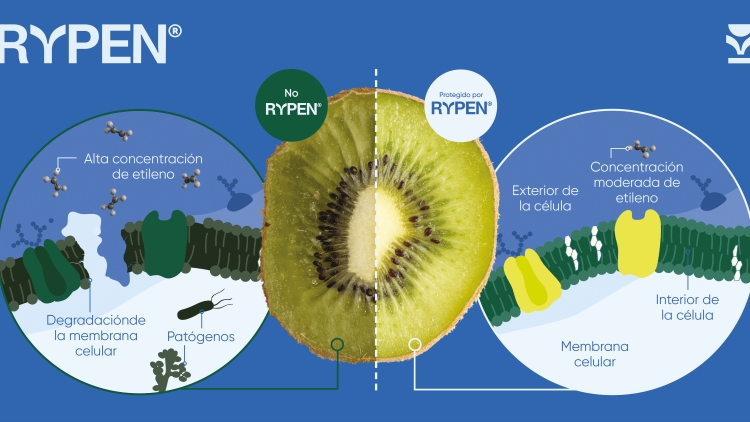
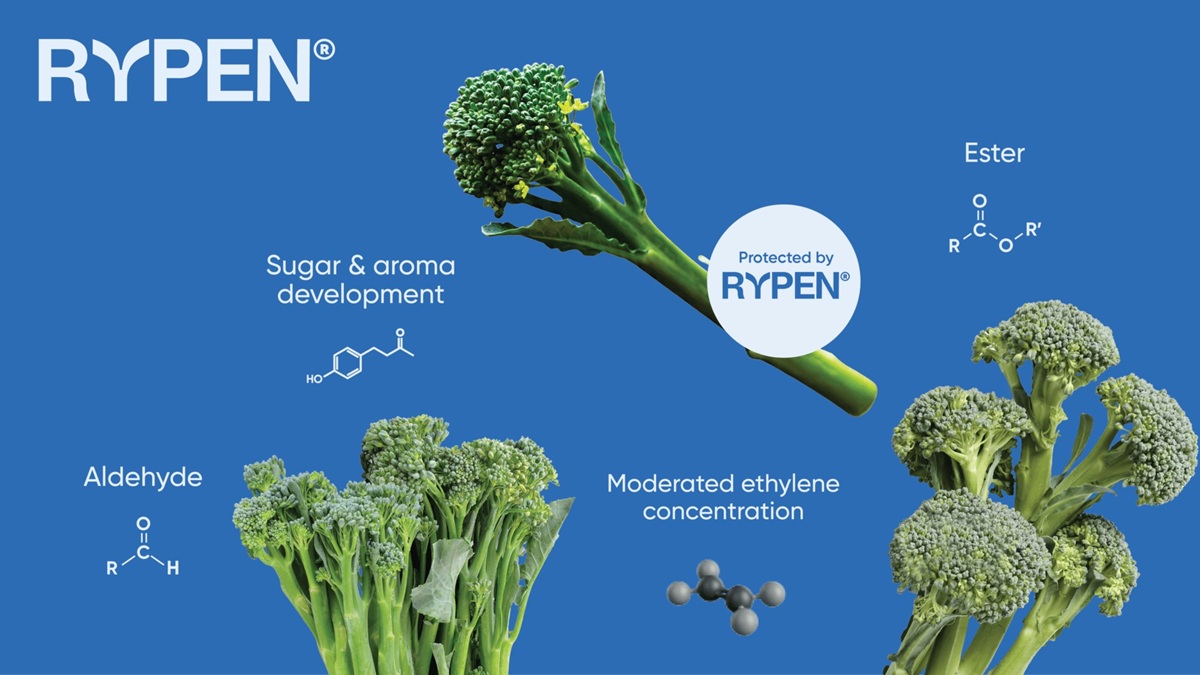
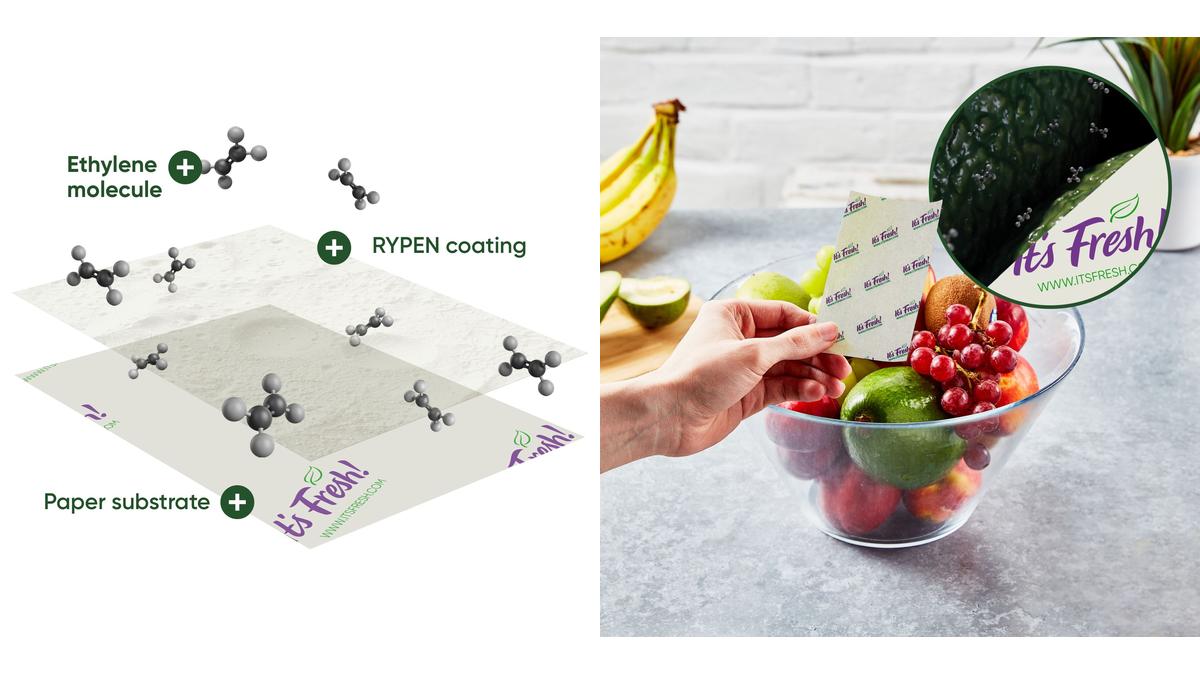
At It’s Fresh, the developer of RYPEN technology, sustainability is a core pillar of how we support the global fruit and vegetable industry. Achieving this, however, has required rethinking a fundamental aspect of post-harvest handling. RYPEN redefines ethylene control, moderating rather than blocking the natural ripening process, even under real-world supply chain conditions such as high-humidity environments. Designed to work from packaging to shelf, RYPEN captures ethylene to slow the internal ripening rate of fresh produce, while maintaining a natural approach focused on the flavor experience. Integrated directly into the packaging, the technology helps reduce post-harvest losses and promotes a more efficient and sustainable food system, aligned with the UN’s key Sustainable Development Goals.
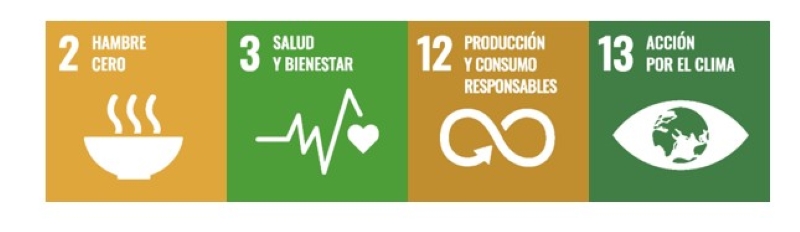
In practice, this translates into significant progress toward SDG 2 – Zero Hunger. A significant portion of fresh produce is lost before consumption, limiting both availability and access. By reducing these losses, RYPEN helps ensure that a greater proportion of what is produced reaches consumers in optimal condition, without requiring additional agricultural inputs. In 2025, the use of RYPEN technology helped prevent the loss of approximately 1,438 tons of fresh produce, strengthening the efficiency of the food system and enabling supply chains to deliver more nutritious food to more markets, more consistently.
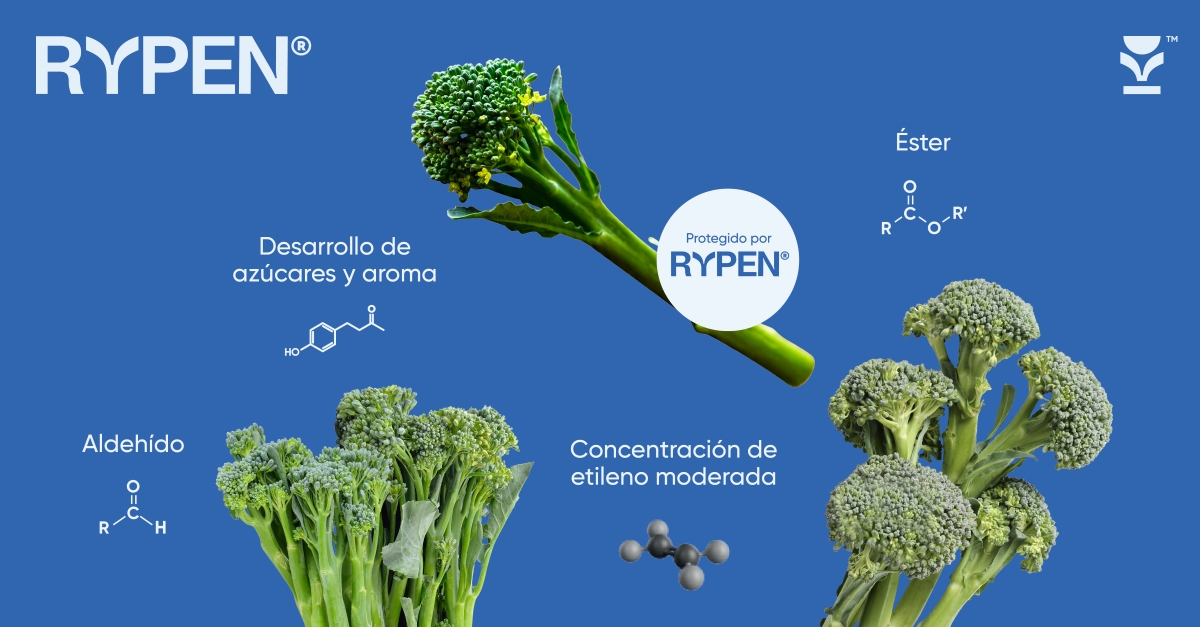
As fresh produce reaches consumers, the focus shifts to SDG 3 – Good Health and Well-being, where quality is just as important as availability. Because RYPEN moderates rather than interrupts the natural ripening process, the fruit continues to develop as intended, preserving its flavor, texture, and nutritional value. By controlling the internal rate of ripening, consumption quality is protected, encouraging repeat purchases and supporting healthier diets. In real-world retail settings, this translates to improved shelf availability, with RYPEN providing up to 2.3 times greater sellability on the last day of shelf life for fresh-cut fruit. This helps consumers have more consistent access to fresh, high-quality produce while aligning with approved post-harvest food contact packaging standards.
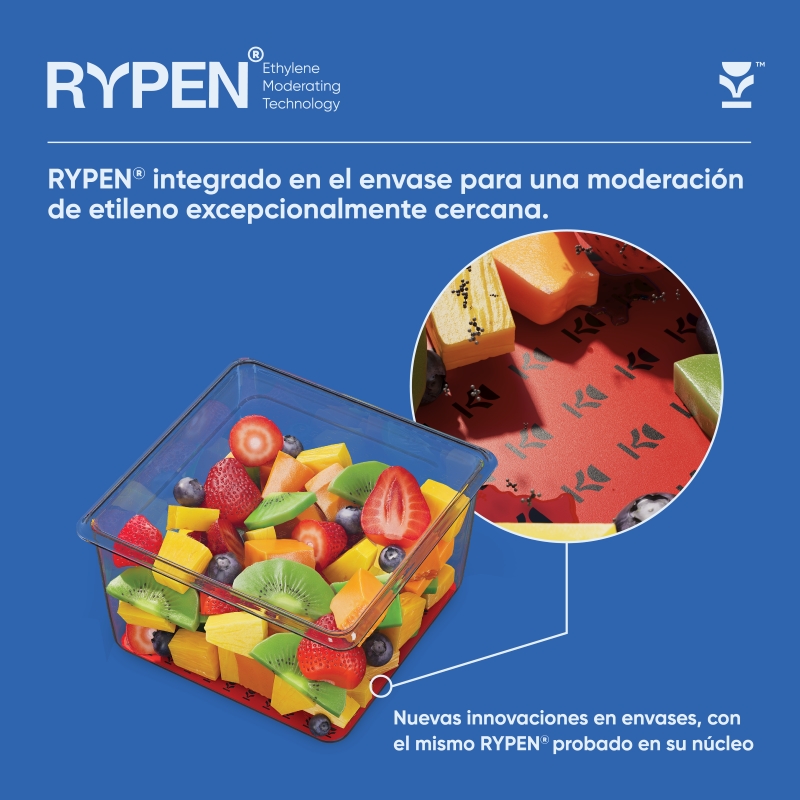
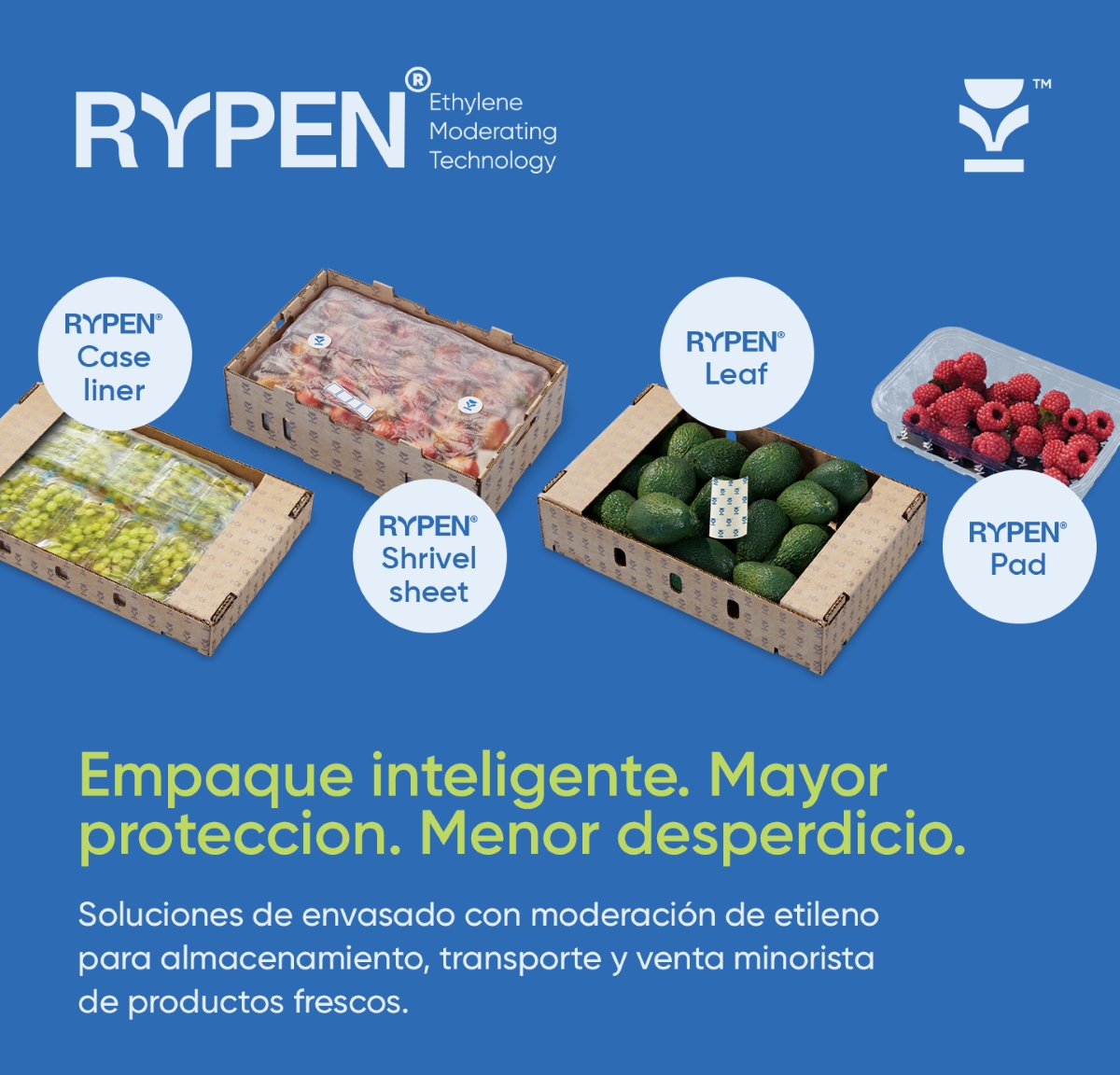
Behind the scenes, much of this impact stems from progress toward SDG 12 – Responsible Consumption and Production. More efficient ethylene management reduces spoilage, waste, and rejection rates throughout the supply chain. RYPEN has been shown to reduce post-harvest losses by up to 30%, preventing significant volumes of fresh produce from going to waste. Its integration into packaging formats such as pads, liners, films, and other formats allows for large-scale implementation without disrupting operations. Through our inclusion in the IFPA Packaging Innovation Program 2026, we continue to refine these formats, bringing ethylene modulation closer to the product and improving performance precisely where its impact is most significant.
Reducing waste at this scale also directly contributes to SDG 13 – Climate Action. When fresh produce is lost, the emissions associated with its production, transport, and distribution are generated without providing any benefit. By extending shelf life and maintaining product condition, RYPEN helps avoid this inefficiency. In 2025, the technology prevented an estimated 1,795 tons of CO₂e, while also protecting associated resources such as water, with 1,538 megaliters saved. Each unit of product saved represents more efficient use of land, energy, and inputs, reducing the overall climate footprint of the fresh produce system.
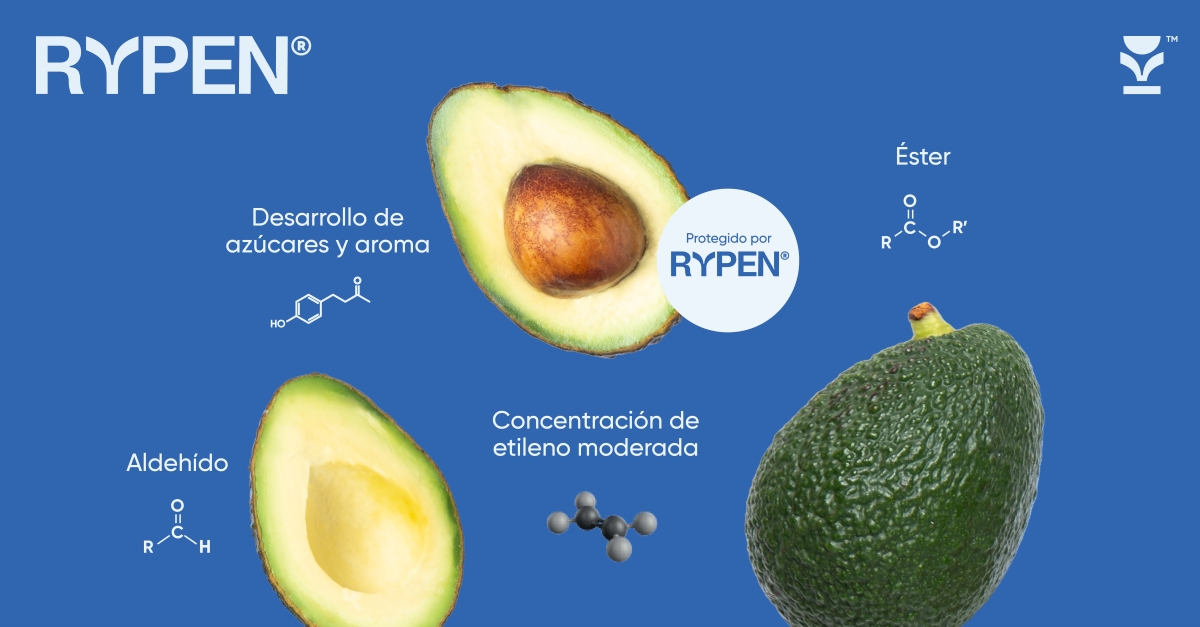
Through RYPEN technology, It’s Fresh demonstrates how targeted innovation in post-harvest handling can generate significant progress toward multiple UN Sustainable Development Goals. By addressing food waste at scale—one of the most significant inefficiencies in the global food system—we help maximize the value of what is already produced, reduce environmental impact, and improve outcomes for all stakeholders in the supply chain.
More information at RYPEN
Related news