Phytosanitaries
Ethylene management to extend the shelf life of stone fruit
The high sensitivity of stone fruit to ethylene makes it necessary to apply postharvest solutions that help slow down ripening and maintain quality throughout the supply chain
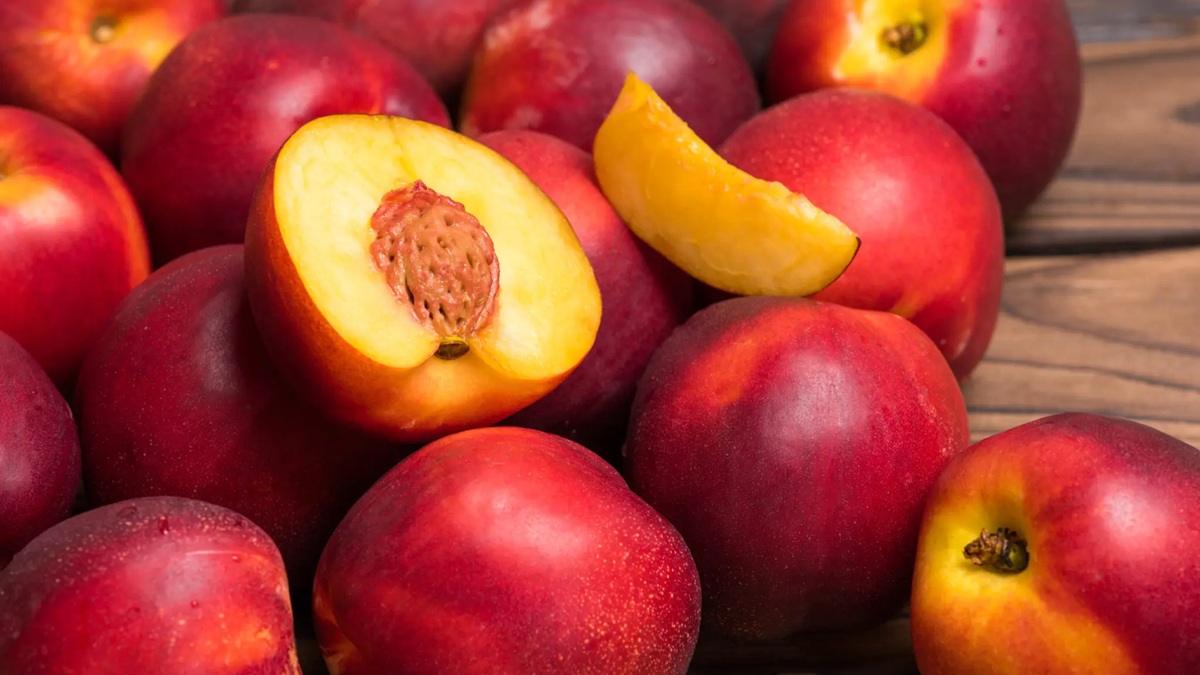
Stone fruits such as nectarines, peaches and plums are valued for their flavour, aroma and visual appeal. However, they are highly perishable after harvest, as they are particularly sensitive to ethylene and tend to soften and deteriorate rapidly if postharvest conditions are not properly managed.
The high sensitivity of stone fruit to ethylene makes it necessary to apply postharvest solutions that help slow down ripening and maintain quality throughout the supply chain. In this context, tools such as the RYPEN sheets are used to manage ethylene during packaging and support fruit preservation.
Ethylene management during packaging
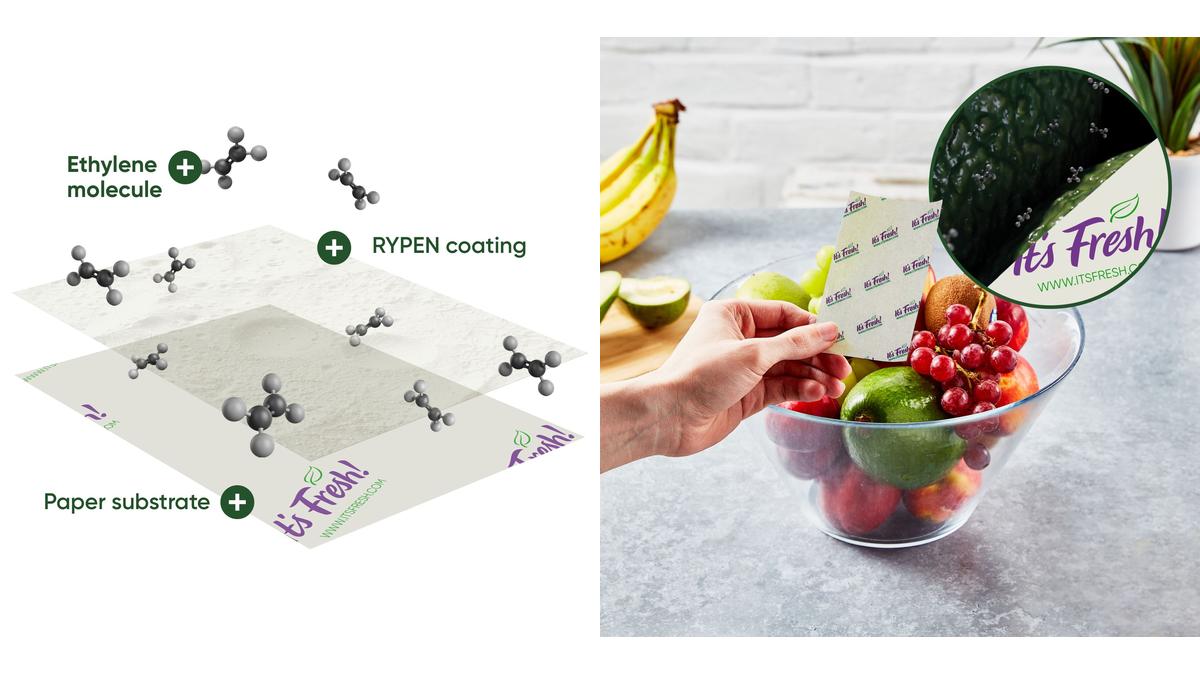
The RYPEN Shrivel sheet works by capturing and regulating ethylene inside the package, helping to slow down the ripening process. This control allows key quality parameters such as firmness, colour and organoleptic characteristics to be maintained for longer, which is especially important in stone fruit, where postharvest evolution can be rapid if ethylene is not adequately managed.
The solution is designed to integrate easily into existing packaging formats, being placed as a top sheet inside the box or package, without the need to modify standard packing operations.
Application in bulk-packed stone fruit
For stone fruit packed in bulk formats, the fruit is packed loosely or in trays, and the RYPEN Shrivel sheet is then added to the top of the package. In addition to ethylene control, the sheet also helps to limit moisture loss, a critical factor in maintaining the quality of this type of fruit during storage and transport.
This system provides more uniform protection within the package, helping to maintain more consistent quality across individual fruit.
Improved quality at destination
The combination of slower ripening and reduced dehydration allows stone fruit to arrive at destination in better condition, retaining firmness and freshness for longer. As a result, food waste can be reduced and the final quality of the product available to consumers can be optimised.