Processing
Pathogen survival on strawberries according to maturity stage
The study evaluates the survival of E. coli and Listeria monocytogenes on strawberries at different maturity stages and storage temperatures, providing useful information to improve postharvest handling and preservation
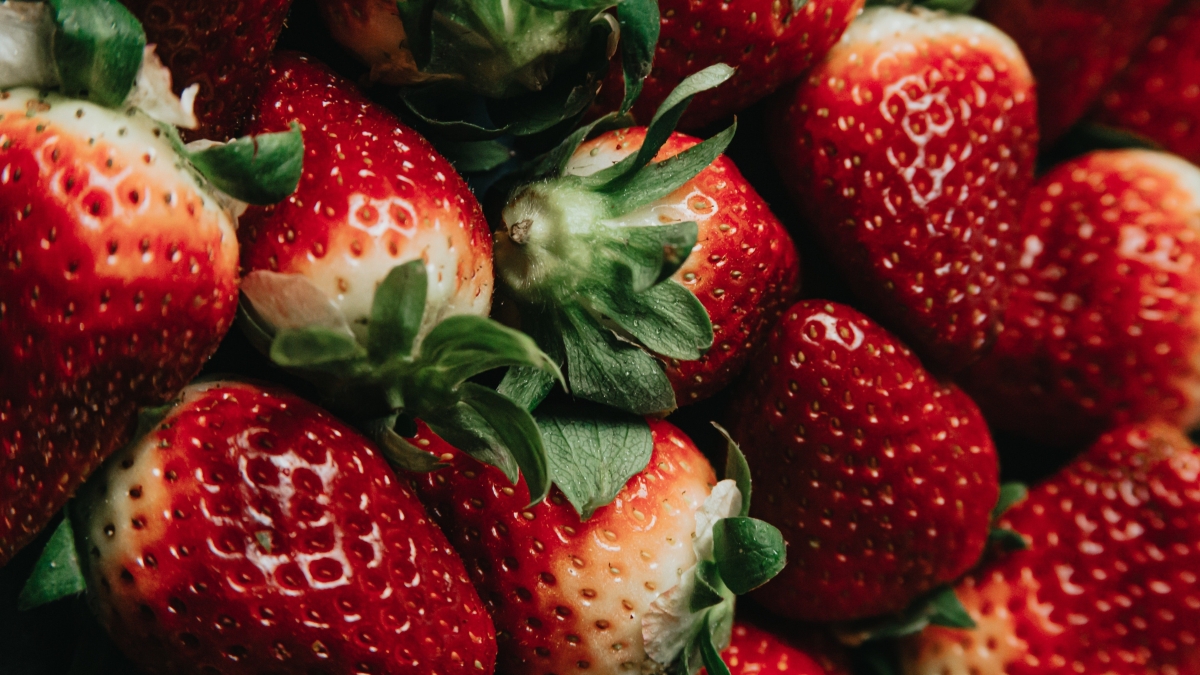
The study investigates the survival of foodborne pathogens on strawberry surfaces at different maturity stages —unripe, semiripe, and ripe— stored at temperatures of 15 °C, 25 °C, and 37 °C. The research focused on the behavior of Escherichia coli and Listeria monocytogenes under various postharvest storage conditions.
The results showed that both pathogens survived under all evaluated conditions. At 15 °C, the greatest reductions in E. coli and L. monocytogenes were observed in unripe strawberries, followed by semiripe and ripe fruit during a five-day storage period.
When strawberries were stored at 37 °C, microbial reduction for both pathogens was again more pronounced in unripe fruit, followed by ripe and semiripe strawberries. However, in the case of E. coli on semiripe strawberries, an increase in microbial population was observed during the two-day storage period, although differences were not statistically significant (p > 0.05).
At 25 °C, Listeria monocytogenes showed a similar trend to that observed at 37 °C. In contrast, E. coli displayed the greatest reduction in ripe strawberries, followed by unripe and semiripe fruit after two days of storage.
The Weibull model effectively fitted almost all tested conditions, except for E. coli on semiripe strawberries stored at 37 °C. According to the authors, the findings provide valuable information regarding pathogen survival on strawberries and may contribute to improving handling and preservation practices.
Source
Pahariya, P., Fisher, D. J., Mishra, A., & Choudhary, R. (2026). Postharvest Survival of Foodborne Pathogens on Strawberry Surfaces at Different Maturity Levels. Wiley Online Library.
Related news