Processing
Pistachios: detecting mold is not enough to rule out mycotoxins
In pistachios, the absence of visible mold does not rule out mycotoxins
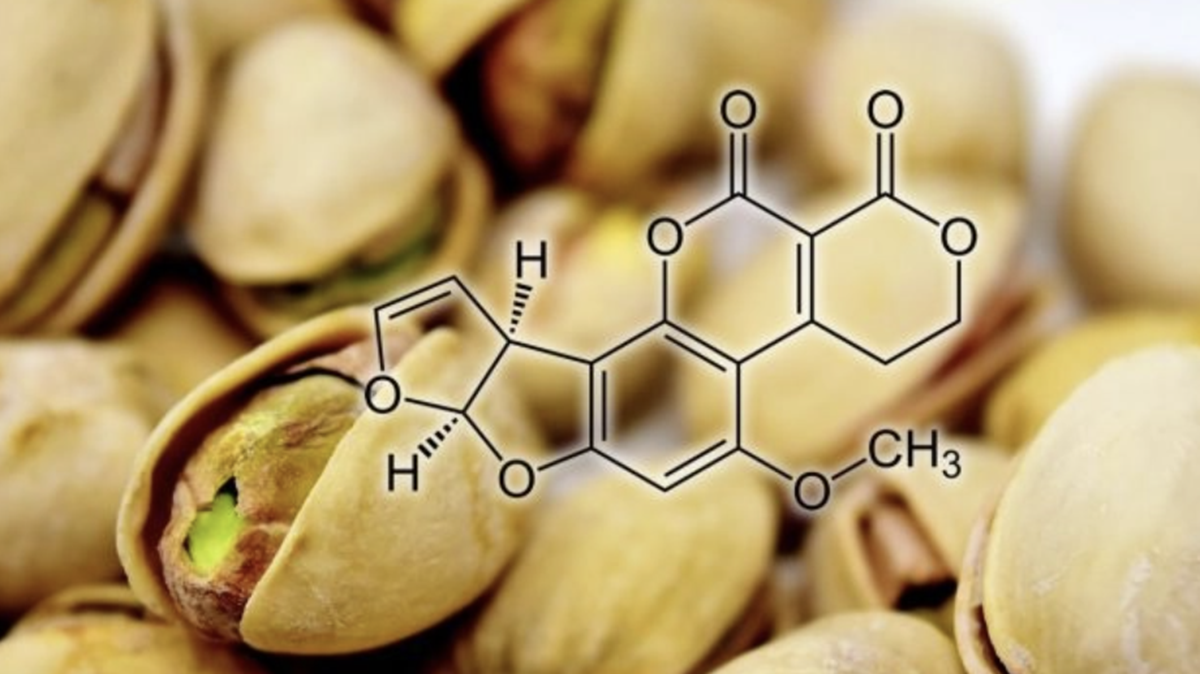
The absence of visible mold does not guarantee that a batch of pistachios is free from mycotoxins. This is the key point made by Fernando Sola Redondo, who highlights a crucial distinction for quality control: fungi are microorganisms, whereas mycotoxins are compounds that some fungi produce compounds that can persist even after the fungus has stopped growing.
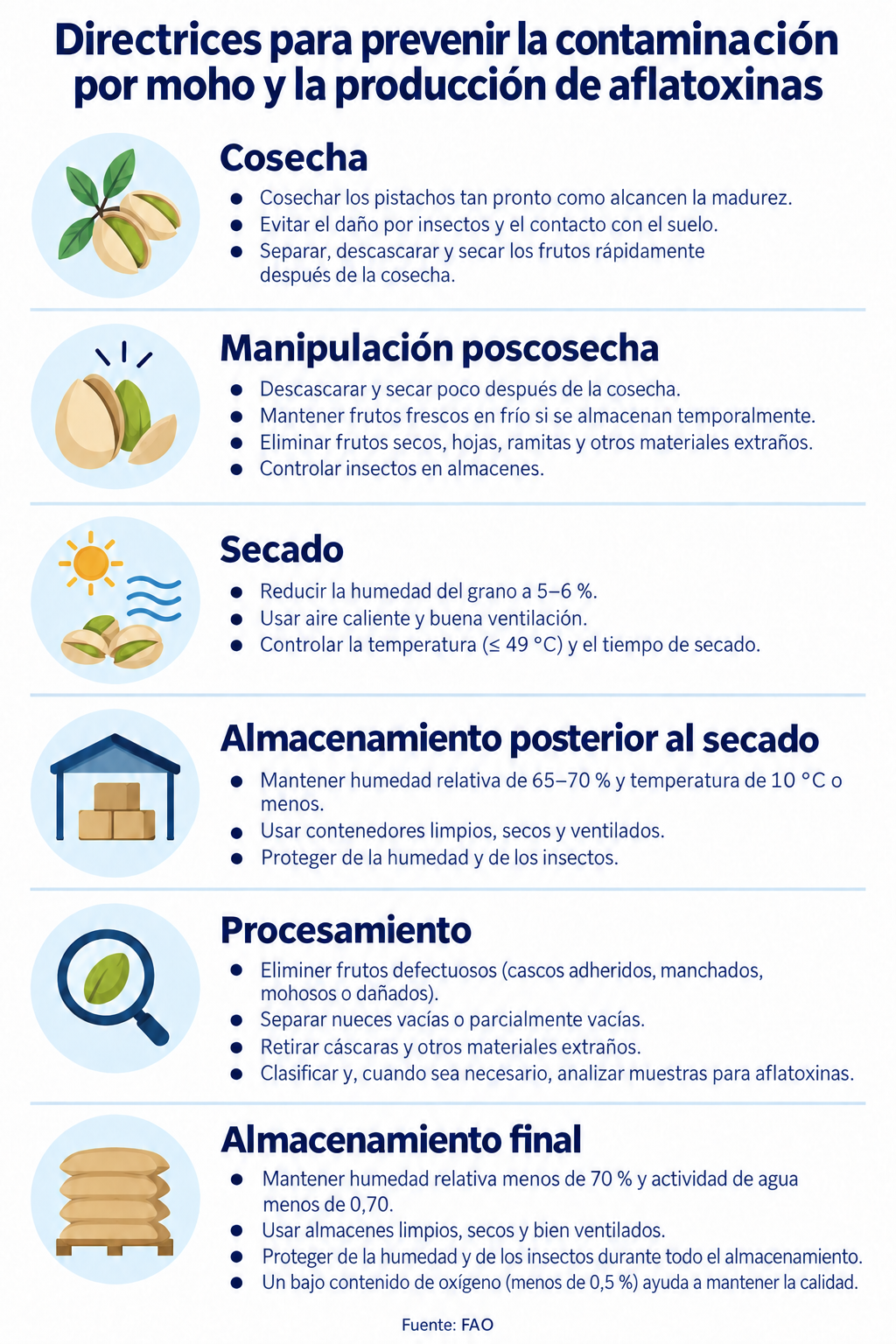
With pistachios, the risk can begin in the field. Premature shell splitting, insect bites, or damage to the outer hull can facilitate fungal entry. After harvest, delays in hulling and drying can prolong conditions that favor fungal growth and the potential formation of toxins. Humidity, temperature, and storage time also influence the level of risk. FAO
Substances requiring monitoring include aflatoxins—specifically aflatoxin B1—and ochratoxin A. European legislation establishes maximum limits for these contaminants in pistachios. For products intended for the final consumer, the limits are set at 8 µg/kg for aflatoxin B1, 10 µg/kg for the sum of aflatoxins B1, B2, G1, and G2, and 5 µg/kg for ochratoxin A. Limits differ for pistachios that have yet to undergo sorting or other physical treatment. Regulation (EU) 2023/915.
Roasting should not be considered a guarantee that toxins will be eliminated. Therefore, prevention and analytical monitoring are crucial throughout the supply chain from crop management and harvesting to drying, sorting, and storage. The FAO recommends rapidly reducing the product's moisture content after harvest and maintaining storage conditions that limit mold growth.
Sampling is another essential element. Contamination can be unevenly distributed and concentrated in just a few individual items, meaning that analyzing a small or unrepresentative portion might not reflect the status of the entire lot. European regulations establish specific procedures for the official sampling and analysis of mycotoxins. Commission Implementing Regulation (EU) 2023/2782
For producers, processors, and marketers, the difference between identifying a fungus and quantifying a mycotoxin changes the decision regarding control measures. Visual inspection can help remove damaged fruit, but it is no substitute for a representative sampling plan or batch analysis. In a market subject to legal limits, accurate measurement is an integral part of quality and food safety management.
Related news

.png)