Processing
¿Why does one batch of apples develop soft scald in cold storage, while another remains in perfect condition?
Genomic study delves into the metabolic mechanisms of cold acclimation to prevent physiological alterations during prolonged preservation
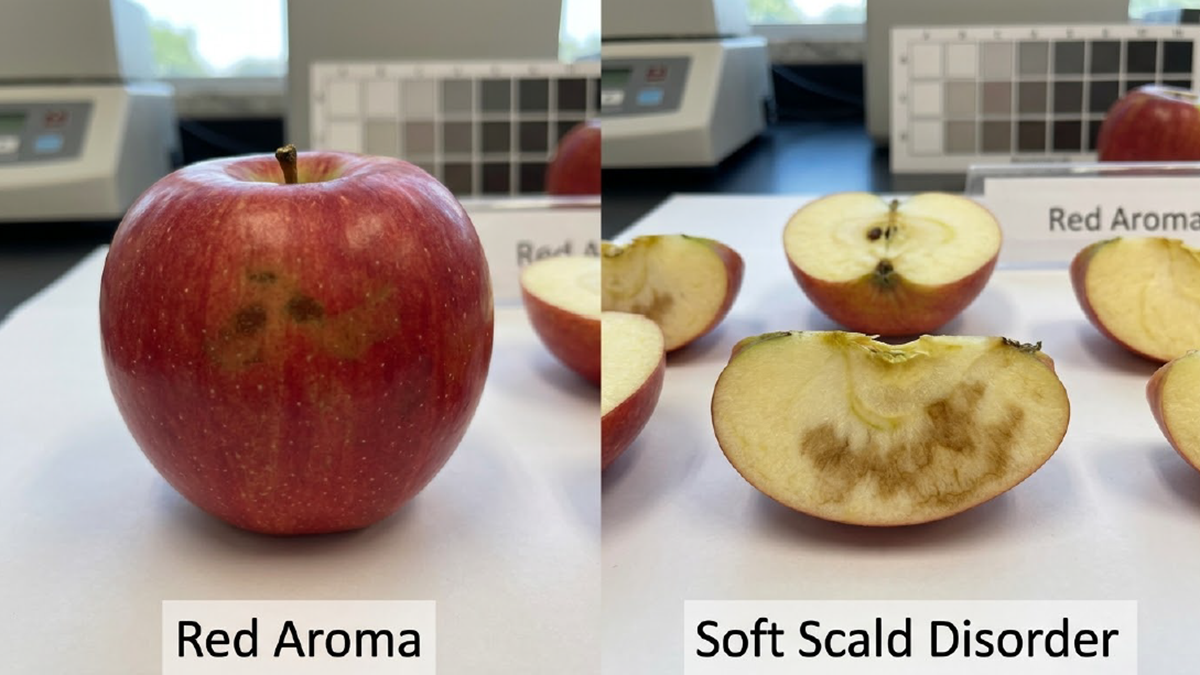
Cold storage is the cornerstone for ensuring a steady supply of apples (*Malus domestica*) throughout the year. However, storing fruit at temperatures near 0 °C exposes it to severe physiological disorders. Among these, "soft scald" is one of the most significant non-parasitic conditions; it manifests as well-defined, slightly sunken, brown necrotic lesions that irreparably diminish the product's commercial value at the packing house.
Key finding:
An apple's tolerance to low temperatures is not merely a physical variable, but rather a programmed transcriptomic response. The precise stage of maturity at the time of harvest critically determines the ability of the epidermal tissue to activate abiotic resistance pathways.
1. Maturation dynamics and cold-induced pathophysiology
Susceptibility to soft scald during prolonged storage at −0.5 °C is intrinsically linked to the physiological state at the time of harvest. As 'Red Aroma' apples transition toward the climacteric peak, the degradation of pectins in the middle lamella and the softening of the cell wall reduce the epidermal tissue's capacity to tolerate thermal stress. While other species—such as yellow kiwifruit ('Cuiyu' or 'Yanoon 3')—exhibit a gradual and uniform loss of chlorophyll (degreening) at 10 °C without immediate necrotic collapse, apples exposed to extreme cold undergo localized damage driven by the accumulation of reactive oxygen species (ROS) and the peroxidation of membrane lipids.
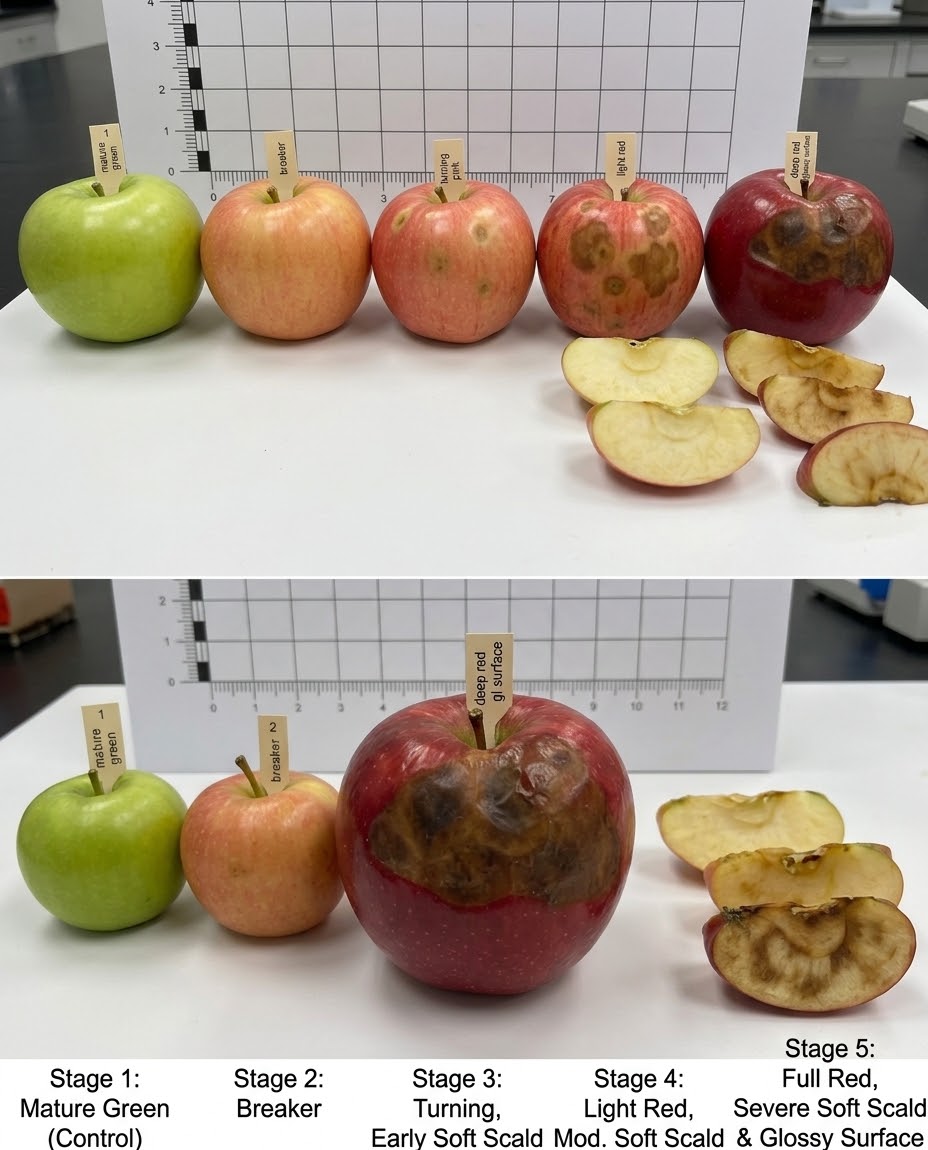
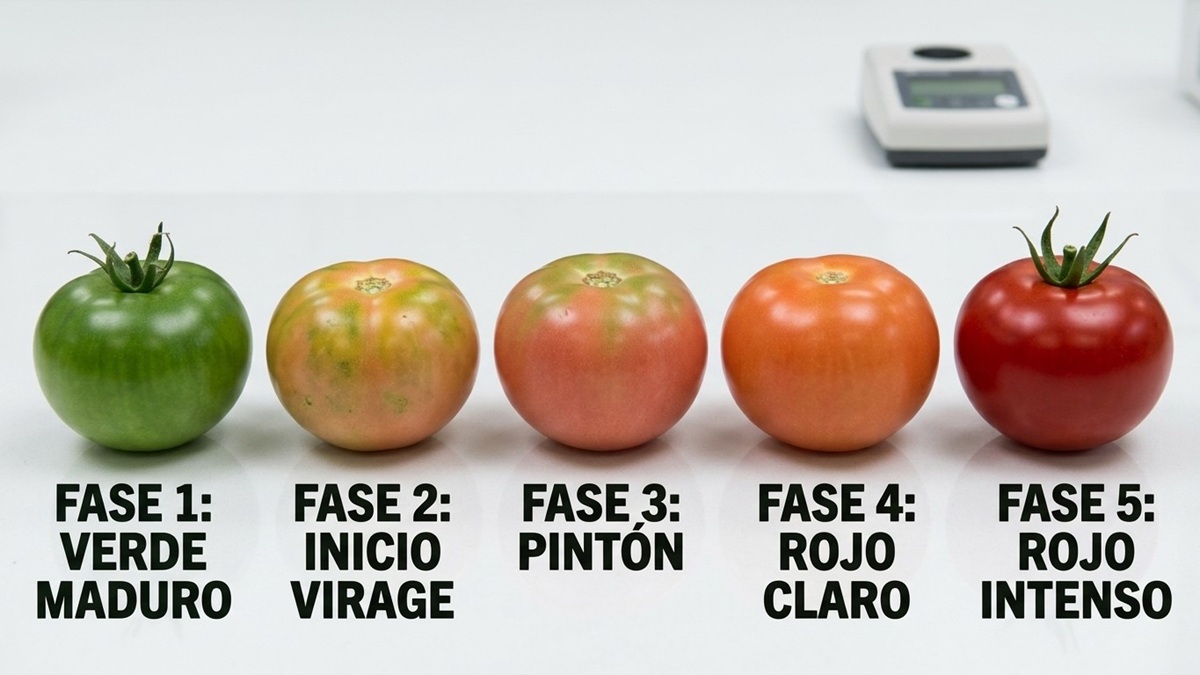
Figure 1. Chronological assessment of maturity stage at harvest and development of soft scald in 'Red Aroma' apples following cold storage (−0.5 °C).
Phase 1: Mature Green (Control) | Phase 2: Breaker | Phase 3: Color Change / Early Soft Scald | Phase 4: Light Red / Moderate Scald | Phase 5: Deep Red / Severe Scald and Glossy Skin.
2. Physicochemical indicators of maturity at harvest
A comparative assessment between early-harvest (H1) and late-harvest (H2) batches reveals critical variations in ethylene emission rates, respiration (CO2), flesh firmness, and the starch degradation index.
- Flesh firmness: Late-harvest fruit showed a significant reduction in firmness (6.1 ± 0.4 kg/cm²) compared to the early-harvest batch (8.2 ± 0.4 kg/cm²).
- Starch degradation (1–10 scale): This process was considerably more advanced in the second harvest, shifting from an average of 1.5 (non-degraded starch) to 7.8 (advanced starch hydrolysis). Chlorophyll index (I_AD): This decreased notably in the more mature fruit (0.21) compared to the early-harvest fruit (0.68).
- Respiration and ethylene: While still on the tree, ethylene production and respiration rates were markedly higher in the late-harvest batch (0.03 nmol·kg⁻¹·s⁻¹ and 89.7 nmol CO₂·kg⁻¹·s⁻¹, respectively). However, when subjected to -0.5°C in cold storage, the early-harvest fruit triggered a defensive, cold-induced ethylene response, whereas the late-harvest fruit experienced a metabolic collapse that resulted in high rates of soft scald.
3. Quantitative data on maturity and transcriptomic response
Analytical parameters at the time of harvest determined physiological behavior during cold storage: key regulators of leaf/fruit senescence.

4. Acclimatization and biological signaling mechanisms
RNA-Seq analysis demonstrates that H1 fruits maintain an active auxin biosynthesis pathway and the expression of leucine-rich repeat receptor-like kinases (LRR-RLKs), alongside Major Latex Proteins (MLPs), which stabilize the lipid bilayer against cold-induced crystallization. In contrast, H2 fruit triggers an accelerated senescence cascade driven by NAC transcription factors, coupled with the massive activation of xyloglucan endotransglucosylase/hydrolases (XTHs) and lipid peroxidases; these processes lead to the collapse of the cell wall and cause localized browning of the skin.
Management recommendations for fruit packing facilities
To minimize losses from soft scald in highly susceptible orchard blocks, packing facilities must move beyond basic colorimetric assessment and instead integrate a combination of maturity indices (firmness, starch content, soluble solids, and the Streif index). Avoiding delays in the harvest schedule is the most effective and cost-efficient preventive measure to ensure successful long-term storage.
- IAD Monitoring: Maintaining harvest values at an IAD > 0.50 keeps the incidence of soft scald below 2% during long-term storage.
- Enzymatic Suppression: The overexpression of XTH (xyloglucan endotransglucosylase/hydrolase) in late-harvested fruit leads to the breakdown of cellular cohesion, often occurring before 60 days of storage at −0.5 °C.
- Thermal Management: The use of "step-down cooling" is only effective for early-harvested lots that retain the transcriptomic capacity to respond to such a protocol.
Source:
Weigl, T., Børve, J., Magerøy, M., Larsen, H., Fossdal, C. G., & Remberg, S. F. (2026).
Maturity matters: Transcriptomic insights into how ripening shapes soft scald susceptibility in ‘Red Aroma’ apple fruit. Postharvest Biology and Technology, 241, 114509.
Related news