T.R. Turoni
Measurements
DA Meter: A Technology for More Sustainable Harvesting
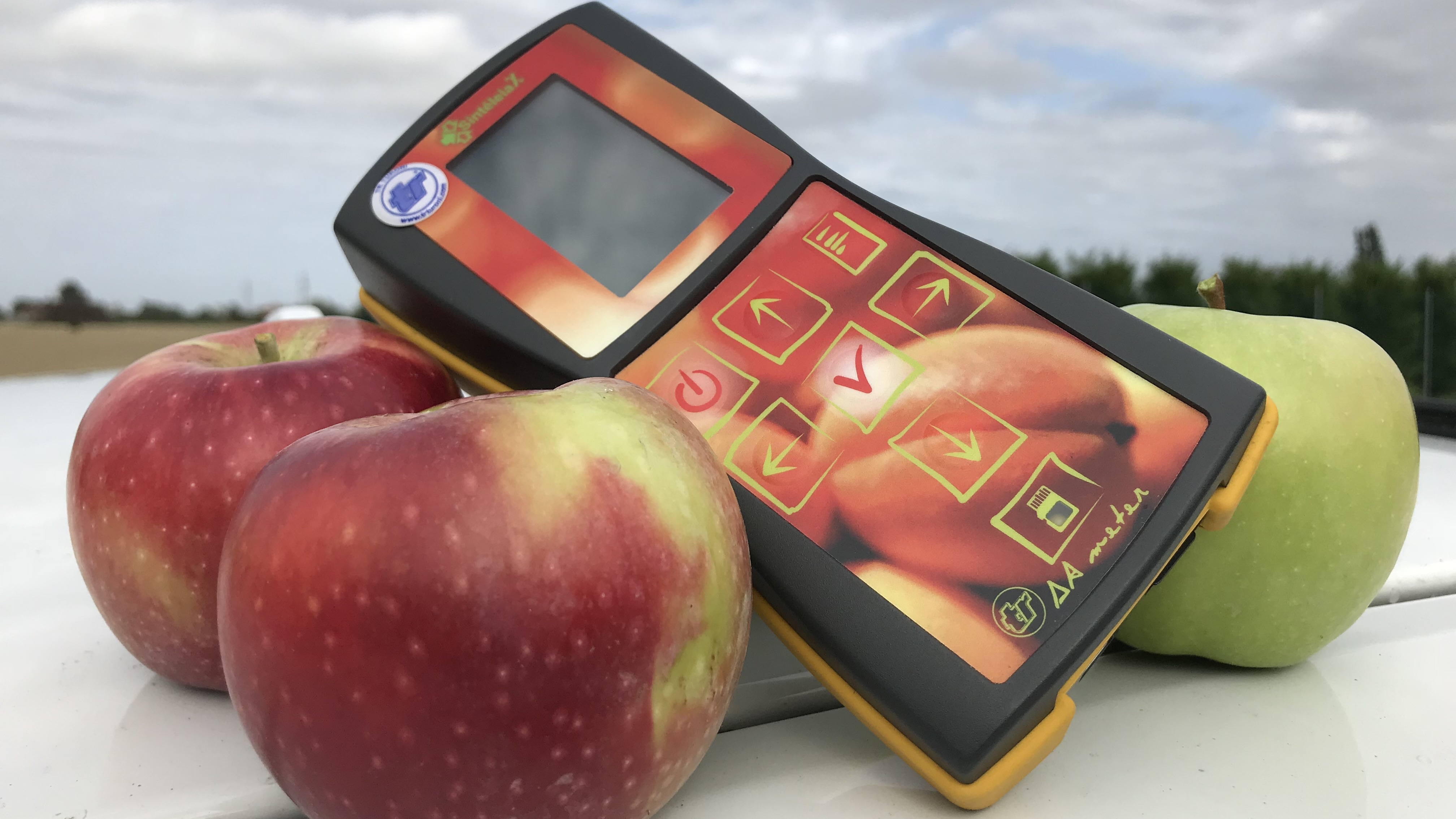
he DA Meter enables fast, non-destructive determination of the optimal harvest time, improving fruit quality, reducing food waste, and supporting a more efficient and sustainable fruit production system.
Sustainability in fruit and vegetable production begins long before fruit reaches consumers. One of the most important factors is determining the optimal harvest time, as this decision directly affects product quality, shelf life, and the amount of losses that occur throughout the supply chain.
Fruit is often harvested either too early or too late. In both cases, the consequences are negative: quality declines, food waste increases, and production, storage, and transportation costs rise. Having objective tools capable of accurately assessing the true ripening stage of each fruit therefore represents a significant step toward more efficient and sustainable agriculture.
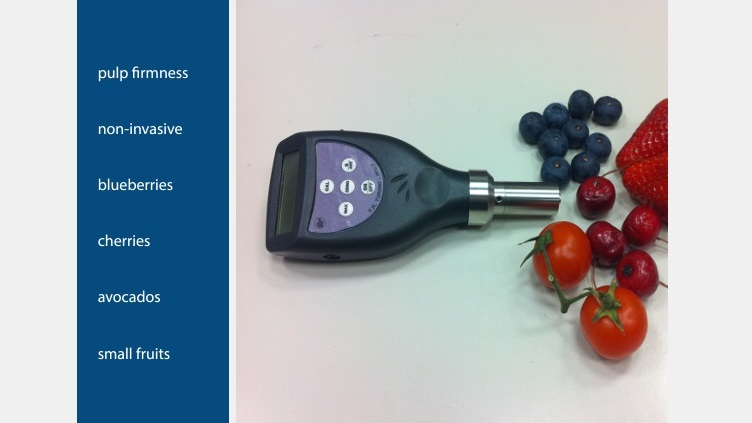
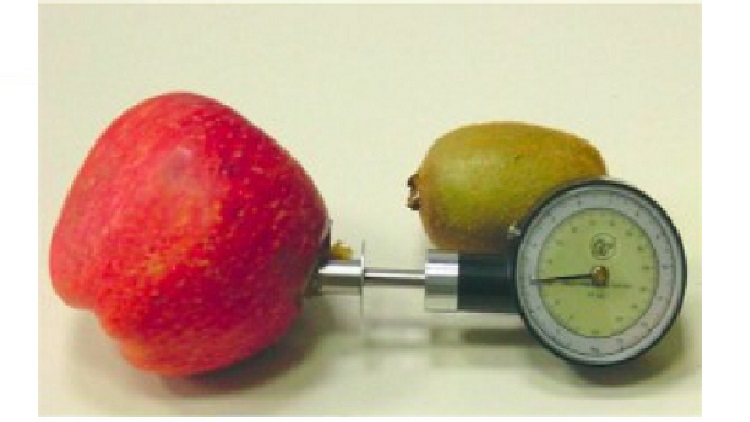
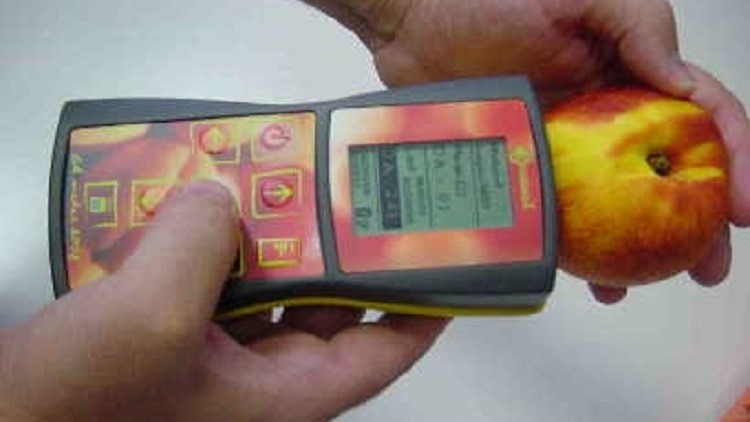
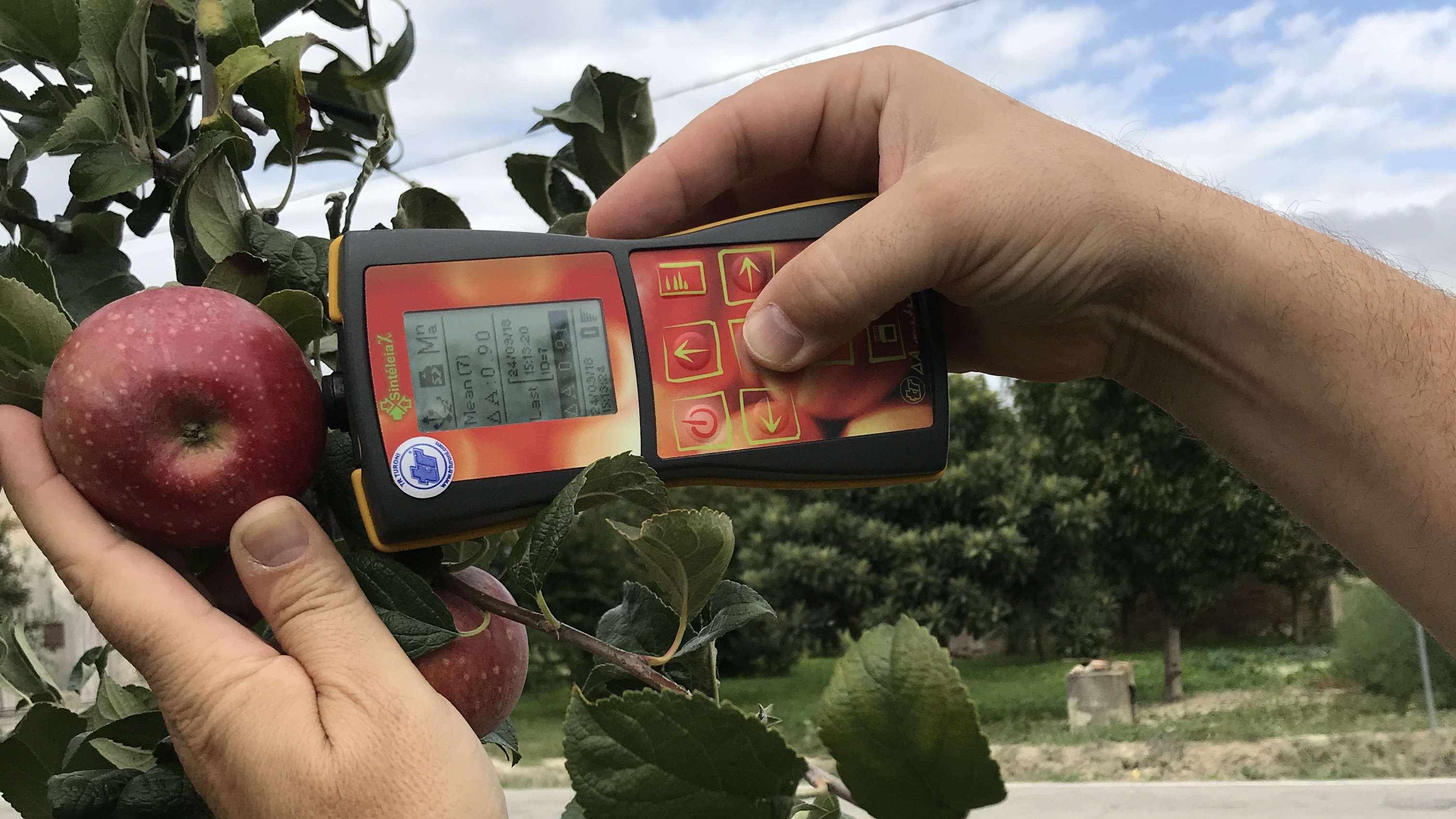
The DA Meter, developed by researchers at the University of Bologna and distributed by T.R. Turoni, enables the ripening stage of fruit to be assessed quickly, non-destructively, and without causing any damage. This technology allows measurements to be taken directly on the tree, repeated on the same fruit over time, and used to monitor the natural ripening process until the ideal harvest date is identified.
This approach delivers significant environmental and economic benefits. By harvesting only fruit that has reached the appropriate level of maturity, growers achieve greater product uniformity, reduce the number of harvesting passes, and optimize the use of labor, machinery, and energy resources. All of this contributes to lowering the environmental footprint of agricultural production.
Sustainability also extends beyond harvest. During cold storage, the DA Meter makes it possible to monitor ripening progress and estimate the remaining commercial life of each batch. This enables operators to improve logistics planning, prioritize the distribution of riper fruit, and avoid unnecessary losses caused by prolonged storage or poor inventory management.
A More Efficient and Sustainable Supply Chain
Better planning benefits the entire value chain. Packing houses and distributors can organize shipments more efficiently, while supermarkets gain objective information to select the most suitable fruit according to the expected shelf display period. As a result, consumers receive higher-quality fruit with a longer shelf life.
Another particularly important benefit is the reduction of food waste. According to international organizations, a significant proportion of fruit and vegetables is lost between harvest and consumption due to inadequate management of ripeness. Reliable information about the physiological condition of the product enables more accurate decisions, reduces waste, and maximizes the use of every kilogram produced.
Moreover, because it is a non-destructive technique, the same fruit can be measured multiple times throughout its development without suffering any damage. This allows continuous monitoring of the ripening process while eliminating the need to destroy samples for quality control, contributing to a more efficient use of resources.
The use of objective technologies also promotes data-driven agriculture, where decisions rely not only on visual assessment or subjective criteria. This improves harvest planning, facilitates quality standardization, and enhances the competitiveness of agricultural operations in increasingly demanding markets.
A Technology Aligned with the Sustainable Development Goals
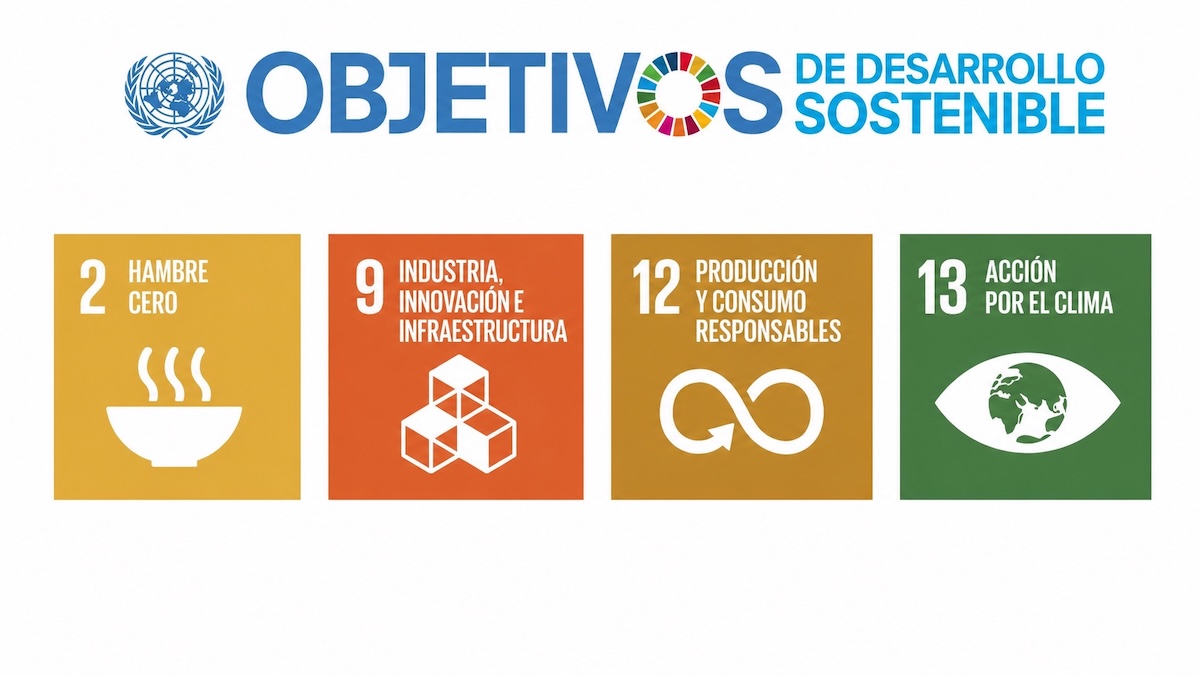
This technology directly contributes to several United Nations Sustainable Development Goals (SDGs), particularly SDG 12 (Responsible Consumption and Production) by reducing food waste and optimizing resource use; SDG 2 (Zero Hunger) by improving agricultural productivity; SDG 9 (Industry, Innovation and Infrastructure) through the application of advanced technologies in the fruit and vegetable sector; and SDG 13 (Climate Action) by supporting more efficient production with a lower environmental impact.
In a context marked by climate change, the need to reduce emissions, and the growing demand for responsibly produced food, tools such as the DA Meter provide an innovative solution for producing more with fewer resources. By optimizing harvest timing, reducing food waste, improving logistics efficiency, and extending fruit shelf life, this technology makes a tangible contribution to a more sustainable, resilient, and future-oriented fruit and vegetable supply chain.