To address the instability of the preservation effect caused by water pH differences in industrial postharvest handling, this study systematically compared the postharvest treatment effects of hydrochloric acid, citric acid, phosphoric acid, and phosphate-buffered saline (PBS), screened PBS as the optimal pH regulator, and investigated its effects and mechanism on postharvest quality maintenance.
The results revealed that PBS treatment significantly reduced weight loss, maintained the firmness of citrus fruits at 6–7 N, inhibited soluble pectin accumulation, and promoted lignin synthesis during storage while simultaneously lowering the incidence of Penicillium italicum. In detail, metabolomics analysis revealed that PBS treatment significantly induced the accumulation of primary metabolites such as phenylalanine and 462 secondary metabolites, activating metabolic pathways such as phenylpropanoid metabolism.
These results were confirmed by the transcriptomic data, which indicated that PBS upregulated the expression of key genes in the phenylpropanoid pathway (e.g., PAL, 4CL, and CCR) and downregulated the expression of genes related to cell wall degradation.
Moreover, the correlation analysis between fruit quality, metabolite intensity and gene expression indicated that the maintenance of fruit quality was closely related to the activation of the phenylpropanoid pathway and lignin accumulation.
In conclusion, PBS strengthens the cell wall structure and enhances fruit resistance by activating the phenylpropanoid metabolic pathway, providing a safe and effective treatment strategy and a theoretical basis for the green preservation of citrus fruits.
Citrus is one of the world’s most popular fruit crops and is cultivated in more than 150 countries and regions. The total global production of citrus fruits exceeded 213 million tons in 2024 (
http://www.fao.org/faostat/en/?#data/QC). Owing to their unique flavor, high water content, and high nutritional value, citrus fruits have significant economic value (Liu et al., 2022a). However, citrus is prone to fungal diseases, fruit softening, and weight loss during storage, leading to a reduction in commercial value (Li et al., 2026, Lin et al., 2025).
The role of pH in the effectiveness of postharvest treatments
In the citrus postharvest process, exogenous chemical treatments are commonly used to control rot loss (Montesinos-Herrero et al., 2011, Zhang et al., 2023). However, previous studies have shown that the pH of the treatment solution significantly affects the activity of disinfectants.
For example, prochloraz, a widely used preservative in citrus production, has the highest stability in aqueous solutions at pH 7 (Sengupta et al., 2009). Similarly, sodium hypochlorite, a broad-spectrum disinfectant commonly used for citrus postharvest pretreatment, demonstrates maximum activity when the pH is less than 7.5 (Feliziani et al., 2016, Smilanick et al., 2002).
Currently, the optimal pH range for citrus postharvest treatment is generally considered to be between 6.5 and 7. Within this range, treated citrus fruits exhibit reduced weight loss and increased firmness during storage (Lin et al., 2024). However, in current commercial postharvest handling, significant variations in water pH exist across different production areas of China (Qiao et al., 2016).
Water variations and reduced effectiveness in the industry
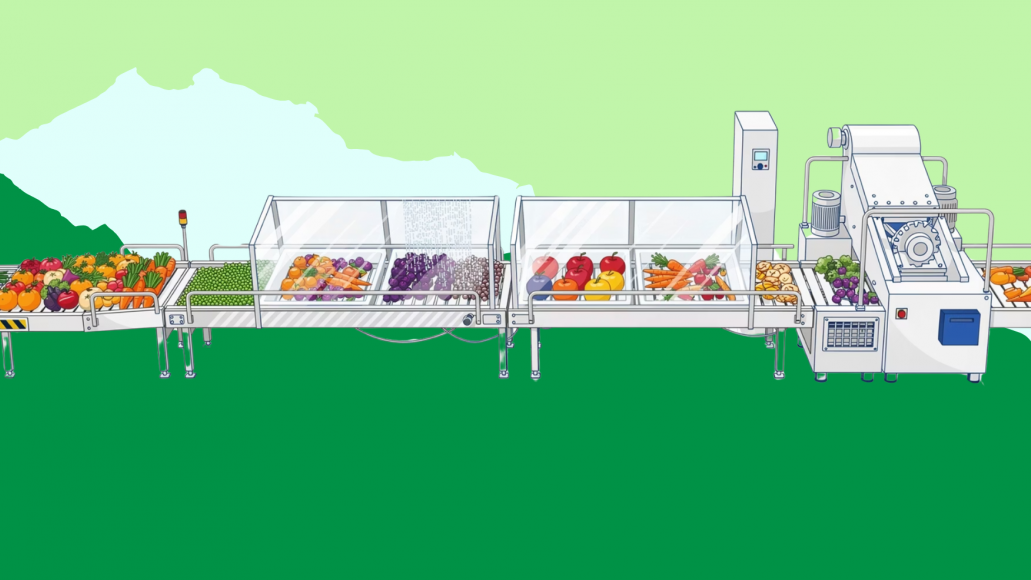
This variability directly impacts the stability and efficacy of standardized postharvest handling, leading to the use of more preservations to ensure their effect, which may waste disinfectants and pose an environmental and health threat (Hu et al., 2024). Therefore, developing a simple and effective method to stabilize the pH of postharvest handling water is urgently needed for the citrus postharvest handling workflow. Phosphate-buffered saline (PBS), the most commonly used acid

base buffer solution, can maintain pH stability and is also generally recognized as safe (GRAS), meeting the requirements for health, greenness, and safety (Gaynor and Gaynor, 2017, Hassan et al., 2024). However, the application of PBS in postharvest treatment has not been reported.
PBS as a potential stabilizing solution
Previous studies have reported that plants have evolved a sophisticated mechanism that integrates physical and chemical defenses. The synergistic action of the phenylpropanoid pathway with the cell wall constitutes the core of disease resistance (Desmedt et al., 2021, Weng et al., 2021, Yadav and Chattopadhyay, 2023).
This process begins with the generation of trans-cinnamic acid from phenylalanine under the catalysis of the key rate-limiting enzyme phenylalanine ammonia-lyase (PAL). Cinnamate-4-hydroxylase (C4H) subsequently performs ring hydroxylation to form p-coumaric acid, a central intermediate (Knosp et al., 2024). Then, 4-coumaroyl-CoA ligase (4CL) activates it into a CoA thioester, which acts as a universal substrate for downstream branches (Xu et al., 2011). In the lignin-specific synthesis branch, the coumaroyl-CoA provided by 4CL undergoes sequential catalysis by a series of key enzymes—such as caffeoyl-CoA O-methyltransferase (CCoAOMT), cinnamoyl-CoA reductase (CCR), and cinnamyl alcohol dehydrogenase (CAD)—ultimately converting the phenylpropanoid skeleton into three lignin monomers (G/S/H types) (Balk et al., 2023).
When pathogens invade, this finely regulated network is rapidly activated, and upstream genes such as PAL and C4H are upregulated first to ensure metabolic flux; simultaneously, lignin-specific genes such as CCR and CAD are specifically induced to drive lignin monomer synthesis (Ma, 2024, Rogers and Campbell, 2004, Thévenin et al., 2011). These newly synthesized lignin monomers are quickly transported to the cell wall, where they polymerize under the action of peroxidases to form a dense lignified barrier, effectively increasing the mechanical strength and penetration resistance of the cell wall (Balk et al., 2023).
A study on improving citrus preservation
In this study, PBS was selected as the optimal pH regulator by comparing the effects of several different anion-based postharvest treatments. The preservation effect of PBS on citrus fruit storage was evaluated on the basis of physiological quality changes. Furthermore, the potential mechanisms underlying the improvement of fruit quality and resistance by PBS were explored through dynamic differences in primary metabolites, secondary metabolites, and transcriptome levels.
Sources
Yanfei Zhu, Huan Liu, Yunxi Xiao, Zhiqiang Xiong, Ling Shen, Jiajun Tang, Zhifeng Zhu, Linlin Zhong, Rangwei Xu, Quan Sun, Feng Zhu, Yunjiang Cheng, Phosphate-buffered saline as pH regulators for citrus postharvest handling water, maintain fruit quality by enhancing the phenylpropanoid metabolic pathway, Postharvest Biology and Technology, Volume 237, 2026, 114318, ISSN 0925-5214, https://doi.org/10.1016/j.postharvbio.2026.114318
image: Pixabay https://pixabay.com/es/photos/lim%c3%b3n-agua-fruta-gotas-amarillo-1203562/