News
Extending Postharvest Longevity of Banana Fruit
Comparing gibberellic acid efficacy against organic plant extracts throughout ambient environmental storage
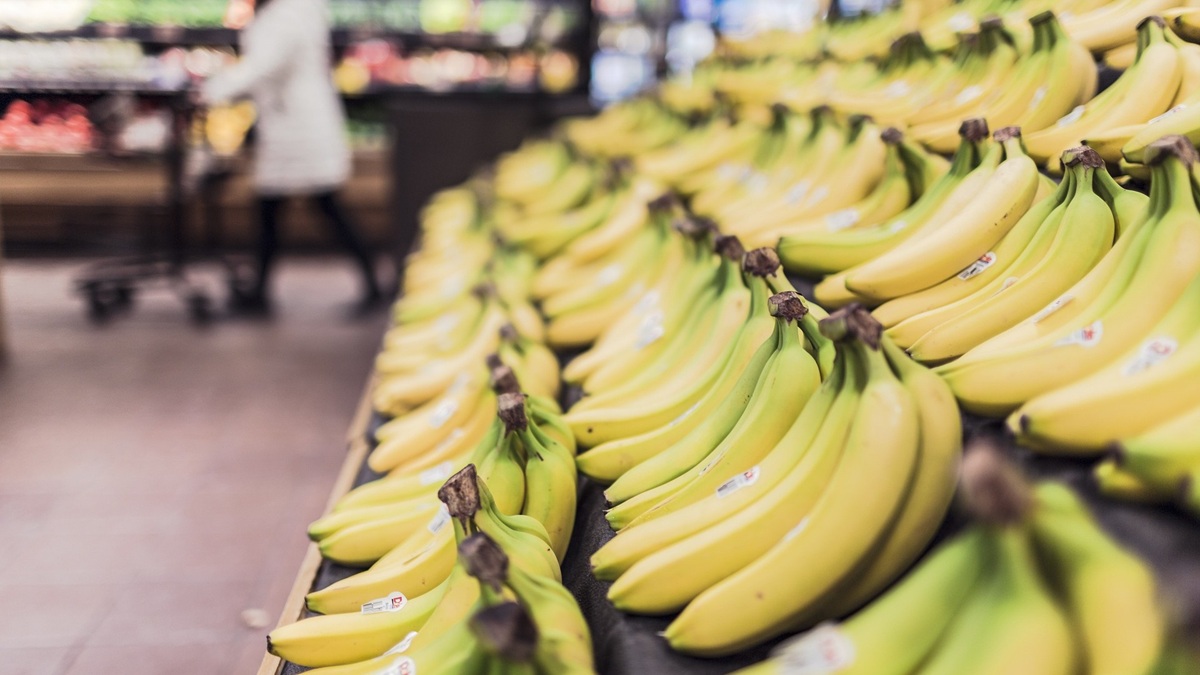
The rapid degradation of banana fruit post-harvest represents a major obstacle for the global agricultural supply chain. As a climacteric fruit, it undergoes a swift ripening phase characterized by increased respiration and physiological weight loss, which often leads to significant waste. Identifying effective treatments to slow this metabolic acceleration is crucial for extending market availability and preserving nutritional value.
Study context and objectives
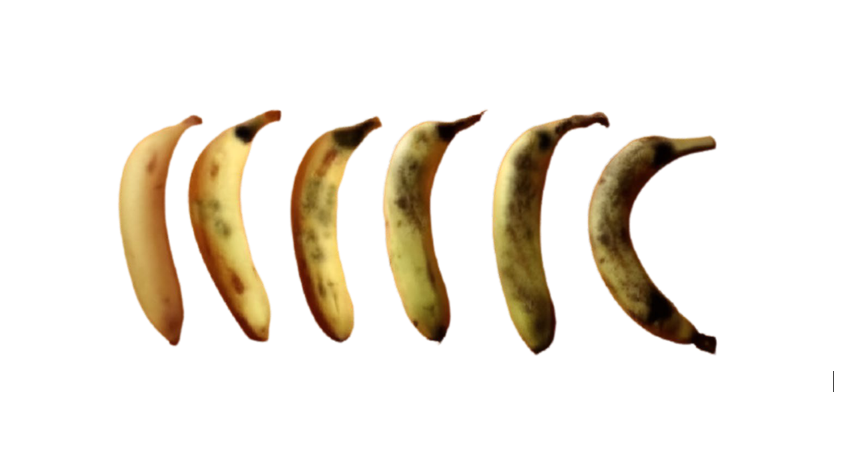
Banana is a highly perishable climacteric fruit and its postharvest quality rapidly declines due to accelerated ripening and physiological losses. In this context, the present study aimed to evaluate the effects of different postharvest treatments on the physicochemical properties and shelf life of banana under ambient conditions at Rampur, Chitwan.
Parameters including physiological weight loss (PWL), firmness, Pulp-to-peel ratio, pH, total soluble solids (TSS), titratable acidity (TA) and shelf life were recorded at 3-day intervals.
Comparative results and practical applications
Results showed that GA3 treatment significantly delayed ripening, minimized PWL (8.84%) and extended shelf life up to 28days. GA3 treated fruits showed lower TSS and slightly higher TA indicating slower ripening. Overall, GA3 proved to be the most effective treatment followed by guava+lemon extract highlighting their potential as eco-friendly alternatives.
Source
Sujan Lamichhane, Geeta Kumari Chaudhary, Amrit Poudel, Prakriti
Ranabhat, Sagar Pokharel, Bishal Chapagain & Basanta Kumar Rimal (2026) Effect of different treatments on the postharvest quality of banana, Cogent Food & Agriculture, 12:1, 2624096
https://doi.org/10.1080/23311932.2026.2624096