News
Improving Banana Shelf Life Through Storage Methods and Microbial Control
This study examines microorganisms that cause banana spoilage and compares storage methods. Microbial activity leads to decay and nutrient loss. Moist sawdust proved most effective in slowing ripening and extending shelf life
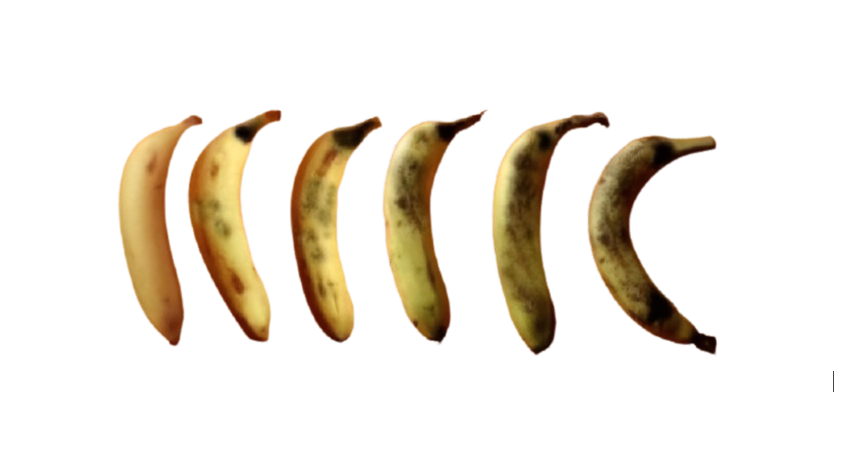
This study examines the microorganisms responsible for the deterioration of bananas after harvest (Musa sapientum and Musa acuminata var. dwarf Cavendish) and explores different storage methods to extend their shelf life.
Fungi such as Aspergillus niger and Rhizoctonia solani, as well as bacteria like Streptococcus pyogenes, Alcaligenes faecalis, and Proteus vulgaris, were found in spoiled banana samples. These microorganisms play an important role in the decay process, causing changes in color, rotting, and loss of nutrients.
The study also compared several storage methods, including refrigeration, storage in moist sawdust, and the use of polythene bags treated with potassium permanganate. The results showed that storing bananas in damp sawdust was the most effective method, as it slowed down ripening, reduced microbial growth, and significantly increased shelf life compared to the other methods.
Overall, this research emphasizes the importance of using better storage techniques and strict quality control to reduce losses after harvest and improve the commercial value of bananas.
The main image of the news corresponds to Figure 2 of the article and shows the preparation and sterilization of culture media to isolate bacteria and fungi from banana fruits.
Source
Upadhyay, S. (s. f.). The effects of storage methods and microbiological factors on banana post-harvest deterioration. ITM Gorakhpur.