.jpg)

AgroFresh
Cooling and CA
The Strait of Hormuz puts fresh produce logistics resilience to the test
Growing logistical uncertainty and transit delays are increasing pressure on postharvest preservation and the commercial quality of sensitive fruits such as table grapes and berries
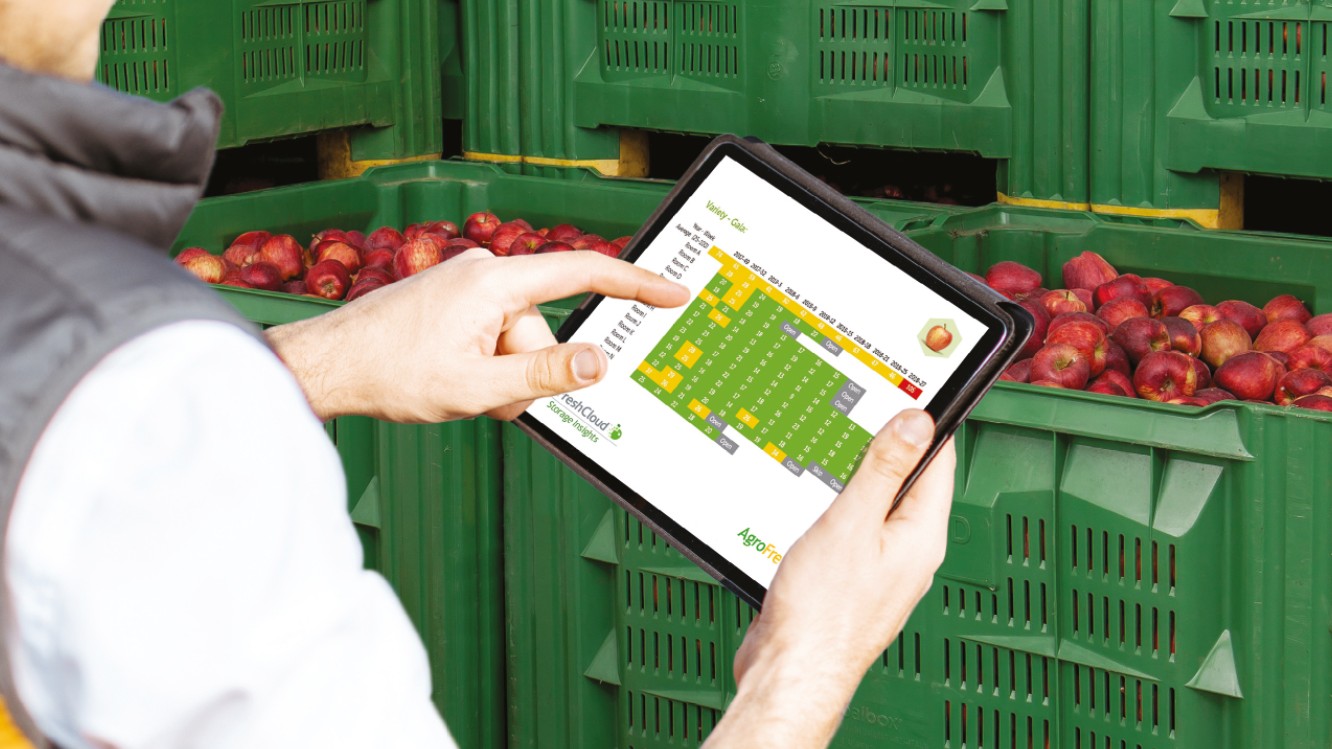
AgroFresh analyzes how growing geopolitical tensions surrounding the Strait of Hormuz are once again highlighting the enormous logistical fragility of the international fruit and vegetable supply chain. While much of the public debate focuses on oil, fuel or the energy impact, the fruit and vegetable sector faces a silent but particularly serious threat: time.
In the fresh produce trade, every hour counts. Goods held up at ports, transit delays or changes to shipping routes directly affect the shelf life of fresh products. Fruit and vegetables that remain longer in port lose firmness, commercial quality and storage potential, increasing claims, food waste and economic losses for producers and exporters.
The situation around Hormuz not only puts pressure on global maritime transport; it also affects vessel availability, increases logistics costs and makes commercial planning more difficult in campaigns where speed is critical. For a sector highly dependent on logistical efficiency, uncertainty is becoming a structural risk factor.
In addition, the fruit and vegetable sector plays a strategic role in global food security. Guaranteeing the supply of fresh, healthy and accessible products depends on stable and predictable transport chains. When international conflicts block or slow these flows, the impact affects not only exporting companies, but also consumers and destination markets.
When logistics stop being predictable
Pressure on logistics chains is already generating visible effects in different fresh produce export corridors.
In South Africa, exporters and sector operators report that some refrigerated containers in Cape Town are taking between 10 and 14 days to leave the port, compared to the approximately 4 days usually required under normal conditions. The delays, worsened by operational congestion and weather conditions, have caused fruit accumulation in cold rooms and delays in commercial programs.
But the problem is not limited to southern Africa. Peruvian exporters have also faced congestion in European ports such as Rotterdam, particularly affecting sensitive products like blueberries and table grapes, where quality depends on very tight logistics windows.
At the same time, international logistics operators warn that certain maritime diversions and route changes are adding up to 10 extra days to some reefer shipments, forcing the industry to rethink how to protect fruit quality during increasingly unpredictable transit times.
The most vulnerable fruits: table grapes and berries
Within this scenario of logistical uncertainty, table grapes and berries are among the most exposed and vulnerable fruits. These are two of the highest-value categories in international markets, but also among the most sensitive to any disruption in transit times.
Unlike other products, these fruits have very limited tolerance to prolonged delays at port or during maritime transport. Water loss, dehydration, reduced firmness and the appearance of decay can accelerate rapidly when the logistics chain loses stability.
In many cases, the difference between arriving in optimal condition and suffering significant economic losses depends directly on the postharvest strategy applied at origin. Today, maintaining the cold chain remains a basic requirement, but it no longer guarantees commercial quality preservation on its own.
The new logistical reality is forcing exporters to strengthen their postharvest programs with solutions capable of protecting freshness, firmness and shelf life even in scenarios where transit times are no longer predictable.
Situation of citrus and apples
Although citrus and apples have a longer shelf life, they are not exempt from the problem.
Prolonged delays can reduce freshness, increase the risk of physiological disorders and limit commercial shelf life at destination. In addition, every extra day in storage or transit increases financial pressure on exporters, importers and retailers.
Postharvest becomes a key factor
The global fresh produce industry is entering a stage where logistical uncertainty is no longer an exception, but is becoming a structural part of international trade.
Geopolitical events, port congestion, maritime route changes and climate disruptions will continue affecting export predictability. This forces the industry to rethink how postharvest programs are designed today.
At AgroFresh, this evolution is clearly visible in the main fresh fruit exporting countries. According to the company, postharvest management is no longer just a technical tool, but has become a key element in risk management and value protection throughout the fruit and vegetable supply chain.
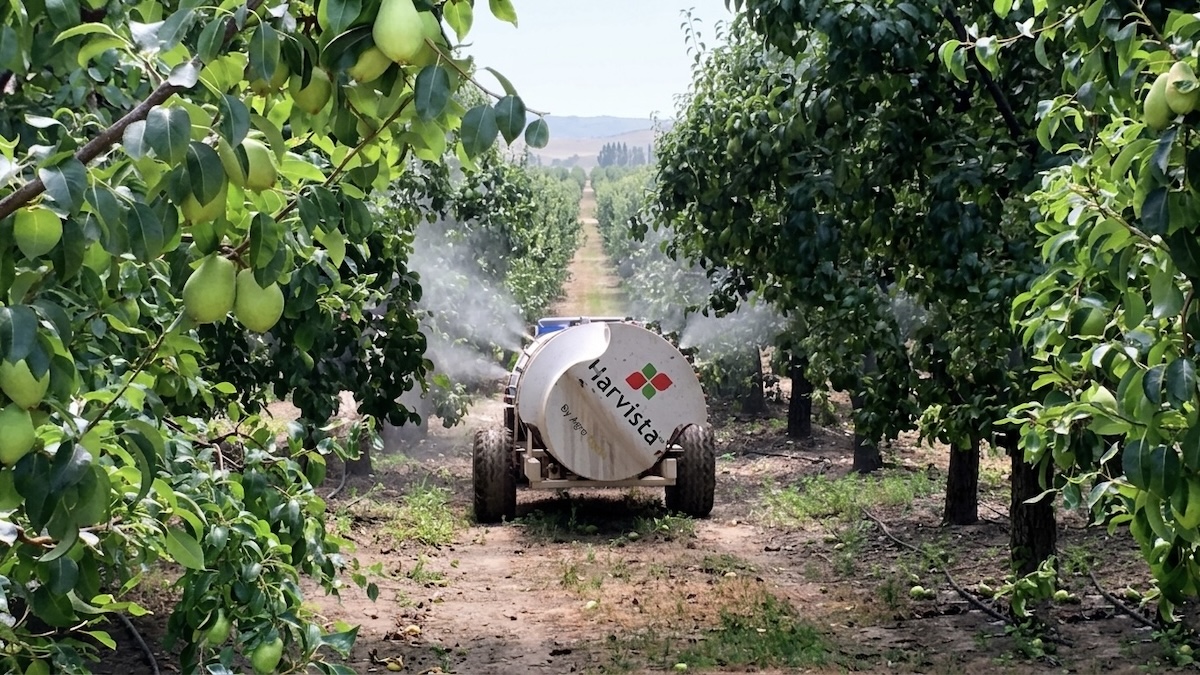
With decades of experience in fresh produce preservation, AgroFresh develops original postharvest solutions, based on scientific evidence and used globally, aimed at helping exporters maintain fruit quality, firmness and commercial condition during long storage periods and extended transit times.
The company also highlights the development of technologies aimed at both decay control and firmness preservation, as well as specific solutions for highly sensitive categories such as table grapes, berries, citrus and apples. The common objective is clear: ensuring fruit arrives to market in better condition, even when the logistics chain is under increasing pressure.
Source: AgroFresh
News of AgroFresh

AgroFresh