Amarante garlic extends postharvest storage life to 90 days
A study comparing Amarante and Ito garlic cultivars found that Amarante maintains its physical and chemical quality for longer during storage remaining commercially viable for up to 90 days under ambient conditions
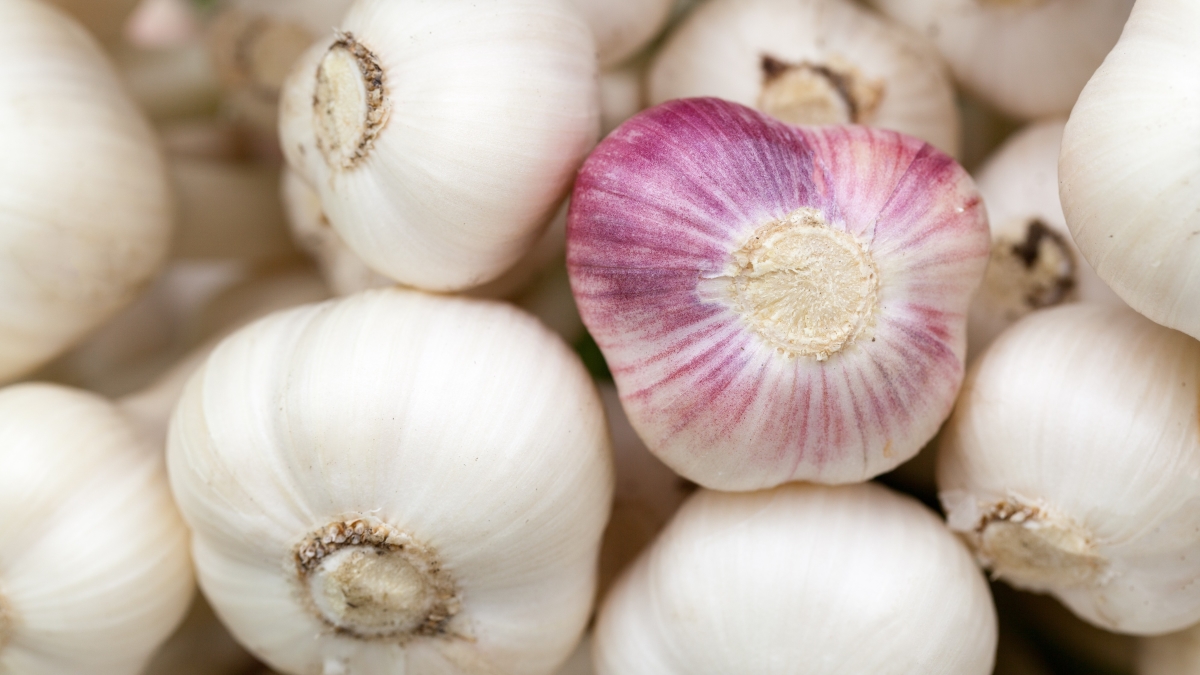
Garlic cultivar influences postharvest storage performance
A study comparing the Amarante and Ito garlic cultivars demonstrates that storage performance varies significantly depending on genotype, directly affecting commercial quality and shelf life.
Researchers monitored physical and chemical changes in bulbs stored in plastic containers under ambient conditions over several months to assess postharvest quality evolution.
Amarante shows greater storage stability
Results indicate that the Amarante cultivar maintained higher quality throughout storage, showing lower wilting and a gradual increase in soluble solids.
According to the study, Amarante can preserve its commercial quality for up to 90 days under ambient conditions, offering greater flexibility for storage and marketing.
Ito deteriorates more rapidly
The Ito cultivar displayed greater variability and higher susceptibility to wilting, leading to a faster decline in commercial quality.
Researchers found that Ito remained commercially acceptable for approximately 60 days before quality deterioration became more pronounced.
Stable colour despite storage
CIELAB colour analysis showed that both peel and flesh colour remained stable in both cultivars throughout storage.
Multivariate analysis confirmed that genotype plays a major role in determining postharvest behaviour and storage performance.
Supporting better postharvest management
The findings provide useful information for selecting garlic cultivars according to storage objectives, helping reduce losses, improve product quality and increase market competitiveness.
Cultivars with longer storage potential may also contribute to more efficient supply chains and reduced food waste.
Source
Silva, J. A. da, Silva, M. C., Pinto, M. A. B., Guimarães, R. C., Teixeira, L. V. L., Silva, S. R., Novaes, Q. S. de, & Rodrigues, G. B. (2025). Postharvest Quality and Storage Stability of Garlic Cultivars From a Highland Semi-Arid Region. Horticulturae. https://pubmed.ncbi.nlm.nih.gov/42322183/