Physiological traits extend postharvest life of cut narcissus
A study identifies the physiological anatomical and biochemical traits that determine the postharvest life of cut narcissus highlighting hydration carotenoids and stem structure as key factors for longer vase life
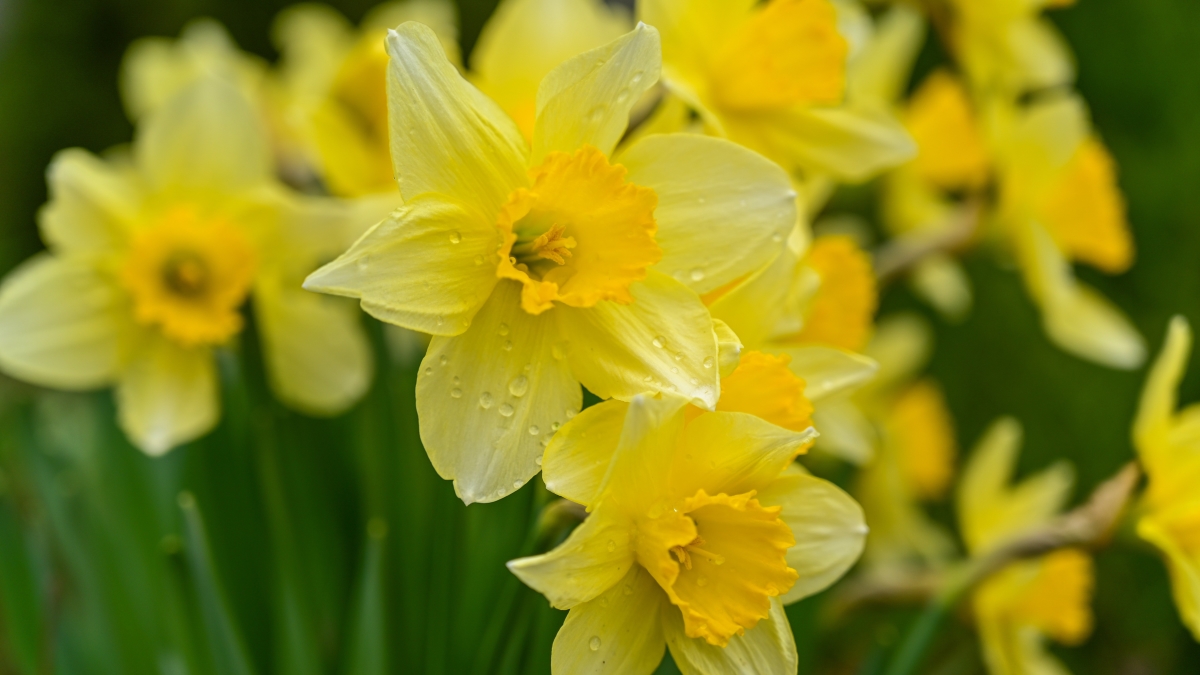
Multiple internal factors determine postharvest longevity in cut narcissus
Researchers have investigated the physiological, biochemical and anatomical mechanisms controlling the postharvest life of cut narcissus by analysing ten Iranian populations grown under identical greenhouse conditions.
The study evaluated the longevity of inflorescences, petals and coronas separately while monitoring stem structural changes during vase life.
Corona tissues remain viable for much longer
The floral corona survived more than twice as long as petals, maintaining higher water content, protein levels and antioxidant enzyme activity together with lower lipid peroxidation.
These characteristics make corona tissues more resistant to oxidative and dehydration stress, delaying senescence.
Stem hydraulic decline is linked to tissue collapse
Anatomical observations showed progressive shrinkage of stem tissues and collapse of parenchyma cells throughout storage.
Unlike other cut flowers, researchers found no vascular blockage, indicating that hydraulic failure is mainly caused by tissue collapse rather than vessel occlusion.
Carotenoids emerge as a longevity marker
Principal component analysis identified carotenoid concentration, tissue thickness, antioxidant activity, hydration status and vascular bundle geometry as the main factors associated with longer vase life.
According to the researchers, carotenoid accumulation plays an important role in protecting flower tissues during postharvest storage.
Supporting better postharvest handling
The findings provide valuable physiological and anatomical knowledge for improving postharvest management of cut narcissus and may support future breeding programmes aimed at extending flower longevity.
Source
Haghshenas, A., Jowkar, A., & Nezami, E. (2026). Postharvest life of cut narcissus in depth: differences of flower tissues longevity and stem structure anatomy. BMC Plant Biology. https://doi.org/10.1186/s12870-026-09077-6